
Last updated November 4, 2026
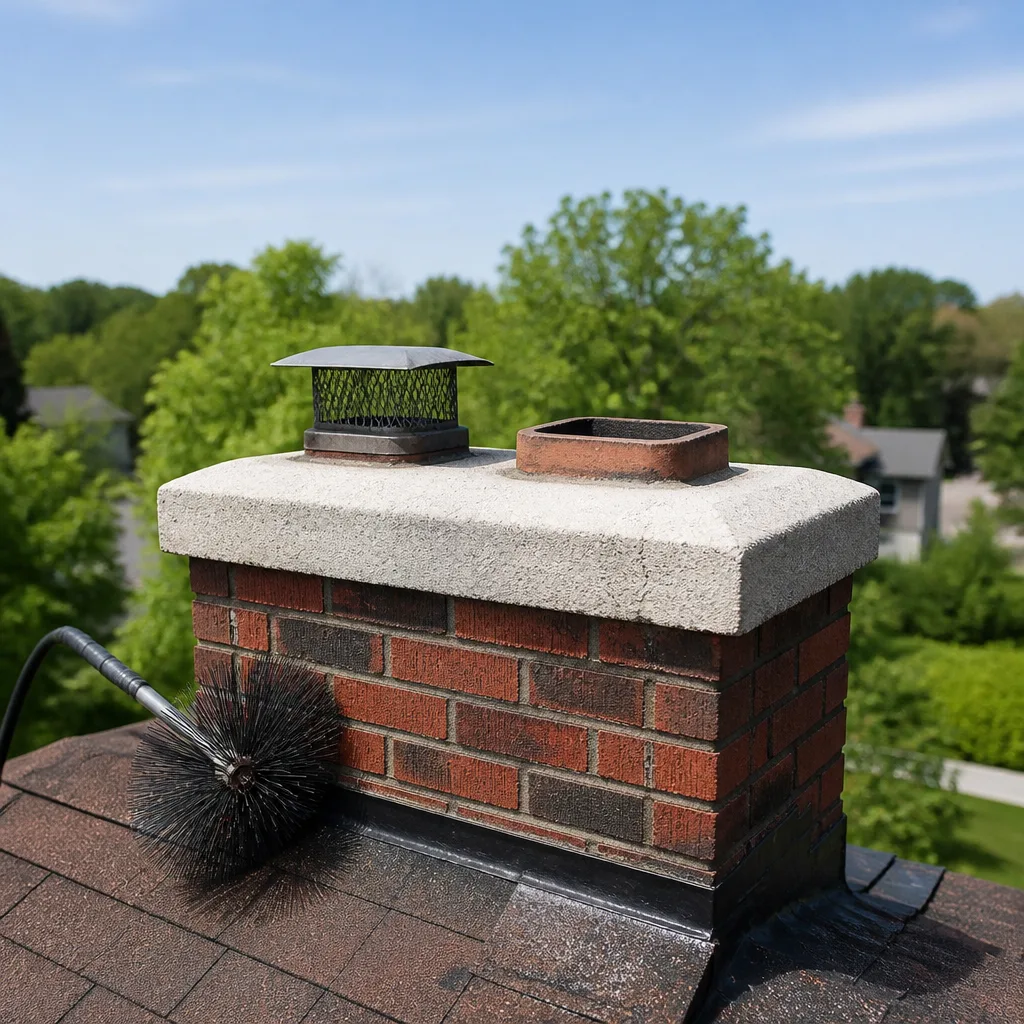 Sweep & inspection
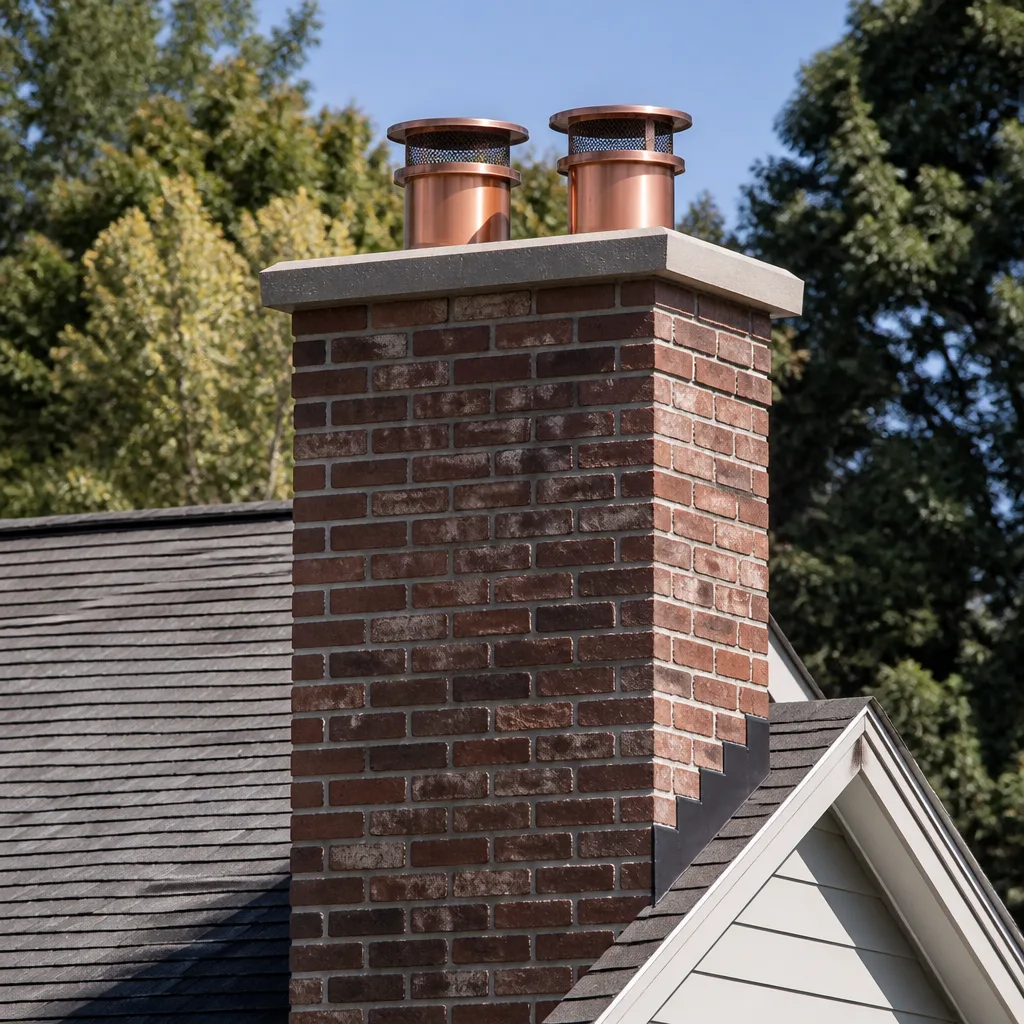 Caps & crowns
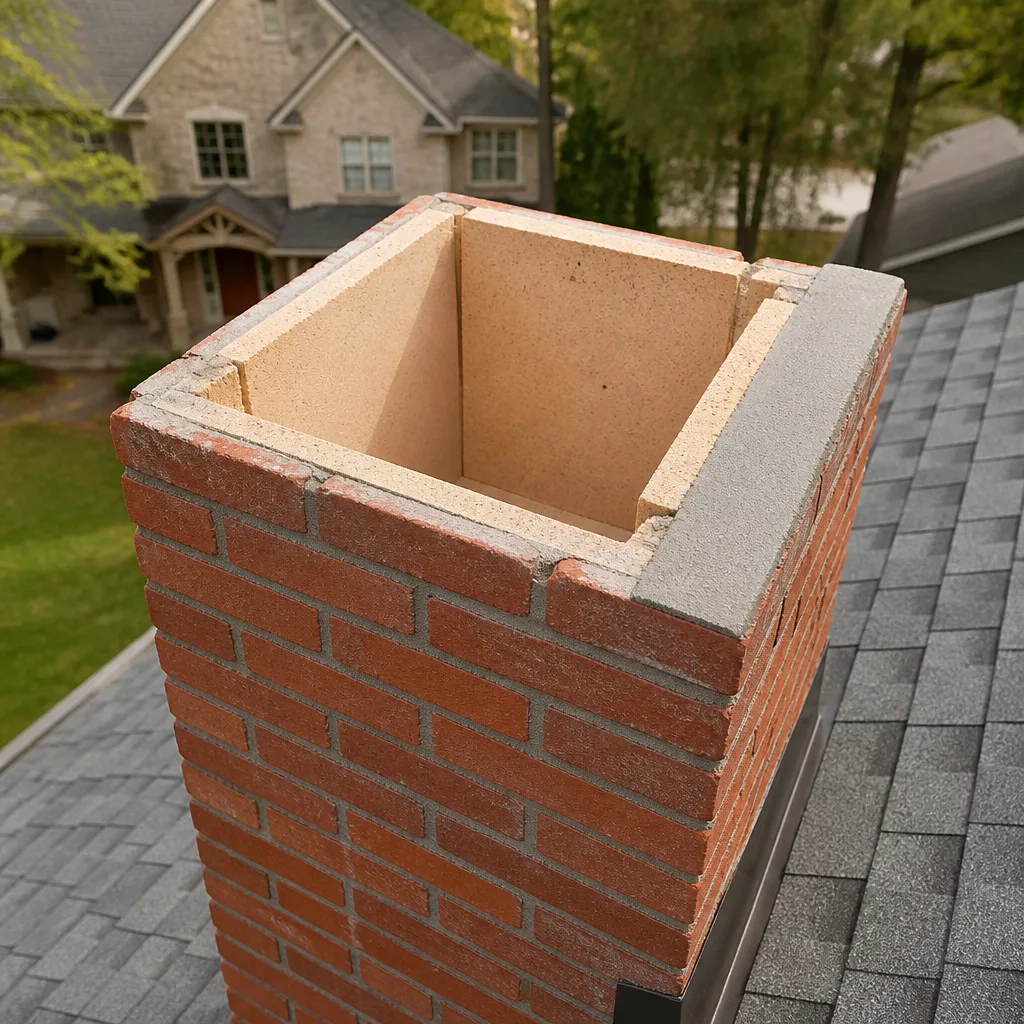 Flue relining
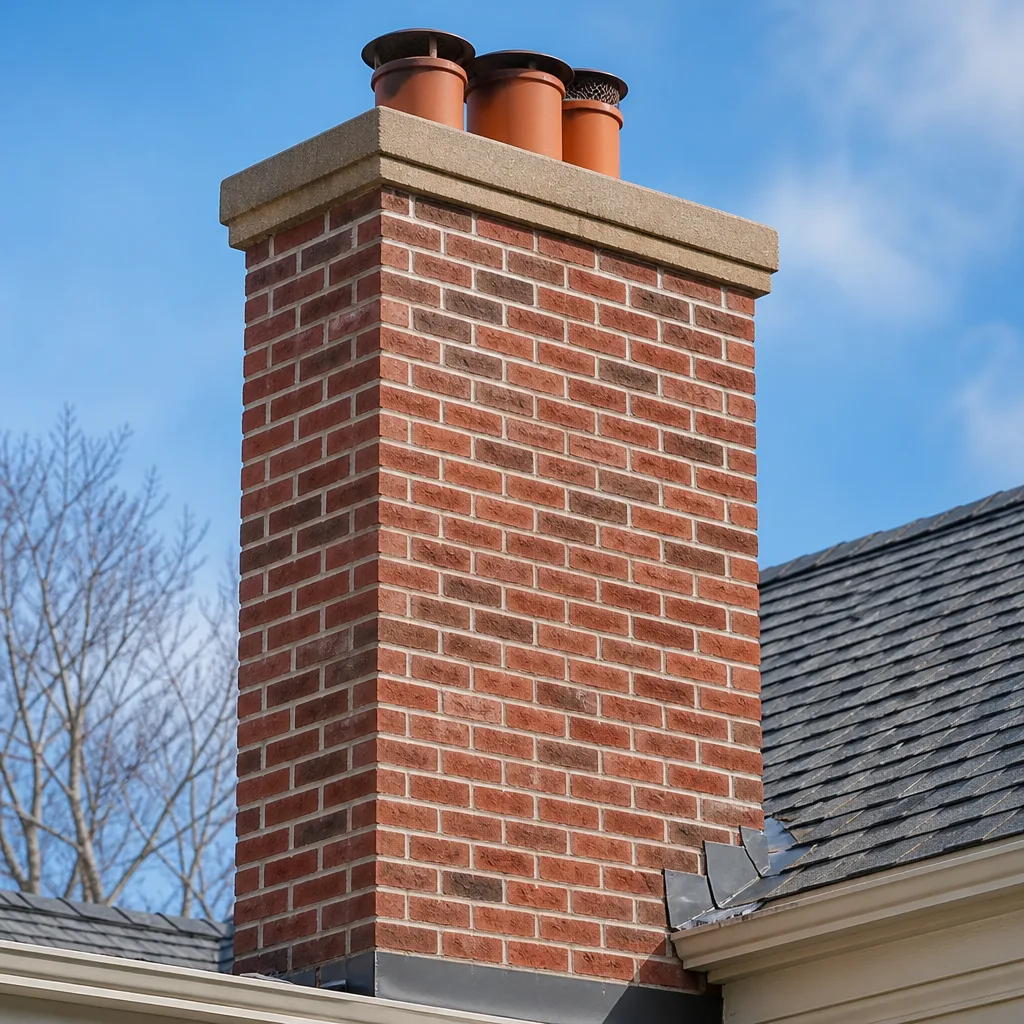 Masonry repair
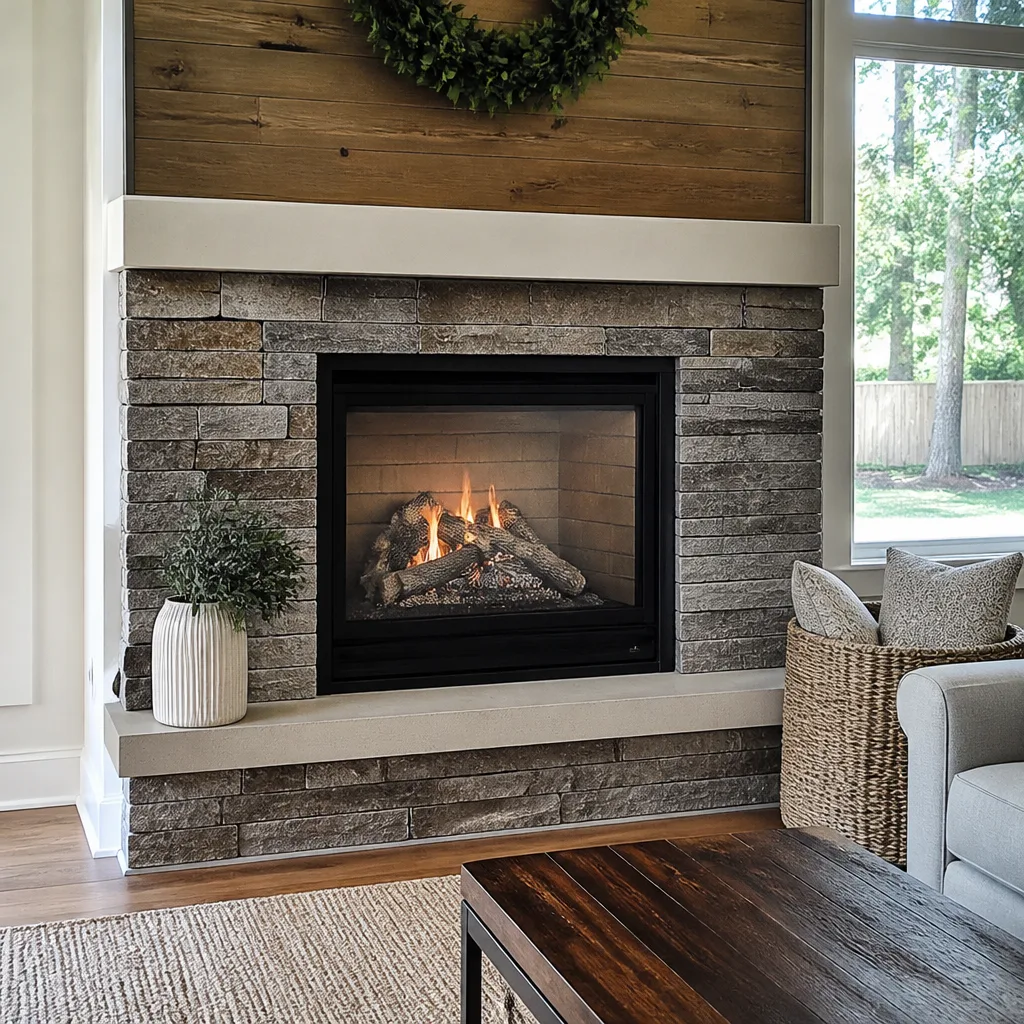 Gas fireplace service
Level 1 sweep and inspection to the NFPA 211 annual standard - flue, crown, cap, and flashing checked and photographed
Chimney sweep logs do not sweep chimneys. They loosen some creosote - which then falls where a brush and vacuum still have to collect it.
Seasonal Chimney Cleaning Care for North Sacramento: Year-Round Homeowner’s Guide
September is the worst time to discover your chimney cap cracked during a 108-degree July, but that’s exactly when most North Sacramento homeowners schedule their first chimney appointment, two weeks before they want to light a fire. By then, the summer heat has already done its work on the crown and mortar joints, fall debris is piling onto the cap, and the window for a calm, unhurried fix has closed. This guide walks through what your chimney actually goes through each season in this specific Valley climate, and how to build a care calendar that gets ahead of problems instead of chasing them. You’ll learn when to inspect, when to clean, what to watch for after rain, and why a single annual sweep often isn’t enough here.
Quick Answer
Seasonal chimney care in North Sacramento means four distinct checkpoints: pre-summer cap and crown inspection, early fall debris clearing and animal entry prevention, winter creosote monitoring during burn season, and post-rain moisture and liner assessment in spring. A single annual sweep catches some issues, but the Sacramento Valley’s heat, oak debris, and damp winter months each create specific stress points that need attention at the right time of year. Spacing inspections across the calendar prevents small problems from becoming liner replacements.
Styles & brands we work with
- Sweep & inspection
- Caps & crowns
- Flue relining
- Masonry repair
- Gas fireplace service
Table of Contents
- Summer (June – August): Heat Stress on Crowns, Mortar, and Caps
- Early Fall (September – October): Debris Loading and Animal Entry Season
- Winter (November – February): Creosote Management and Burn Patterns
- Spring (March – May): Moisture Assessment and Liner Inspection
- Building a 12-Month Care Calendar for North Sacramento
- Common Mistakes to Avoid
- When to Call a Professional
- Frequently Asked Questions
Summer (June – August): Heat Stress on Crowns, Mortar, and Caps
North Sacramento summers are not mild. Days over 100 degrees are common from June through early September, and that sustained heat does measurable work on the materials at the top of your chimney. The crown, the concrete or mortar slab that seals the top of the chimney around the flue, expands and contracts with every hot-cold cycle. Over enough Valley summers, hairline cracks open up. Once water gets into those cracks during winter rain, it sits in the masonry and accelerates deterioration. The same applies to the mortar joints between bricks. Heat alone won’t topple a chimney, but it will quietly weaken the surfaces that are supposed to keep water out.
Metal caps take their own kind of beating. A galvanized cap in direct Sacramento sun will oxidize and rust faster than most homeowners expect. We’ve pulled caps that looked fine from the ground but had rusted-through seams and pinholes across the top. That’s a problem because the cap is your first line of defense against rain, debris, and animal entry. A failed cap in July becomes a squirrel nest or a soaked flue by November.
What to check before summer closes:
- Look at the crown from the roof or with binoculars. Hairline cracks are normal after eight or ten Valley summers, but if you can fit a dime into a crack, water is getting in.
- Check the cap for rust streaks, loose screws, or a shifted rain hood. A cap that rattles in the wind is already loose.
- Run your eye down the mortar joints. Eroded or recessed joints lose their ability to shed water.
- If you have a spark arrestor screen built into the cap, look for warping or torn mesh. Sacramento’s dry summers make spark containment a year-round concern, not just during winter burns.
We inspect before we sweep, and a summer visit is the right time to replace a failing cap or seal a crown before rain returns. Fixing these in June is calmer and cheaper than discovering them during the first storm in November.
Early Fall (September – October): Debris Loading and Animal Entry Season
North Sacramento’s street trees, valley oaks, liquid ambers, and the neighborhood’s mature sycamores, drop an enormous amount of material from late September through November. Leaves, twigs, seed pods, and fine debris land on roof surfaces and settle into any gap in the cap or crown. If your spark arrestor mesh is torn, even a little, leaves make their way down into the flue. A flue loaded with dry leaf litter is a firebox full of tinder on the first cold night you light a fire.
Fall is also animal entry season. Raccoons, squirrels, and roof rats look for warm, enclosed nesting sites as nights dip into the 40s. An uncapped or damaged chimney is an open invitation. Birds can enter through surprisingly small gaps in the cap, and once a nest is established, you’re not just dealing with a blockage, you’re dealing with a potential flue fire when embers reach the nesting material. Animals also bring nesting debris, droppings, and sometimes themselves, and removal is messier than prevention.
The right pre-season cleaning window in North Sacramento is early September through mid-October. Here’s the sequence we recommend:
- Inspect the cap and crown before the major leaf drop begins. Repair any gaps now, not after debris has loaded into the system.
- Schedule the chimney sweep before the first cold night. The flue should be clean and clear before you light the season’s first fire.
- Confirm the damper opens and seals fully. A damper that won’t close wastes heat all winter.
- Look for signs of animal activity during the sweep. Fresh droppings, nesting material, or a strong ammonia smell mean something has been inside.
- If animals are a recurring problem, install a proper cap with a secure spark arrestor. Cheap caps fail, and we carry Gelco and Copperfield caps and venting hardware that fit correctly and stay put.
Booking in October is fine if the flue is clean, but the earlier you get onto the calendar, the more flexibility you have if the inspection turns up a crown crack or a cap that needs replacement before the rains start.
Winter (November – February): Creosote Management and Burn Patterns
Winter in North Sacramento is damp and intermittently cold. Days in the 50s with nighttime lows in the 30s mean fires are lit in the evening and early morning, often for a few hours at a time. These short, repeated burn cycles are actually the most efficient producers of creosote. A file starts cold, the flue stays cool, and smoke lingers long enough for unburned wood particles to condense on the liner. A fireplace that runs every evening from November through February will build up creosote faster than most homeowners assume.
The Sacramento Metropolitan Air Quality Management District calls Spare the Air days during winter inversions, when wood burning is restricted or prohibited for part of the day or evening. Those restrictions interrupt normal burn patterns and create a hidden problem: a homeowner who lights fires on allowed days but skips them on Spare the Air days ends up with longer cold starts, more smoldering fires, and faster creosote accumulation. Cold starts with a damper open on a cold, damp evening are prime creosote producers. If you’re burning irregularly, you need to be more attentive to flue condition, not less.
What to watch for during winter burn months:
- Thick, black, tar-like residue on the damper or visible portions of the flue. That’s third-degree creosote, and it’s a serious fire hazard.
- Smoke spilling into the room when the fire first lights, which often points to an obstruction, a cold flue, or a damper that isn’t fully open.
- A burning smell in the house even when no fire is lit, especially on damp days. That’s creosote off-gassing.
- Increased effort to get a fire started or keep it lit, which can mean the flue is restricted.
We recommend a mid-season visual check for anyone burning more than three days a week. It doesn’t have to be a full sweep every time, but checking the flue’s condition in late January gives you a clear picture of whether your burn habits are building creosote faster than expected. If the flue shows heavy buildup, schedule a cleaning now rather than waiting for spring. A Laurel Chimney Sweep visit in winter is the same thorough process as any other season.
Spring (March – May): Moisture Assessment and Liner Inspection
North Sacramento’s rain season generally runs from late October through March, sometimes with a few April showers. By the time the rain stops and the Valley heats back up, any water that found its way past the cap, crown, or flashing has had months to sit inside the chimney system. Spring is the window to assess what the wet season did before summer heat bakes any residual moisture deeper into the masonry. Water in a chimney is never good, but water plus Sacramento’s spring heat is worse: the heat accelerates rust on metal components and pushes trapped moisture through the masonry, widening cracks and loosening joints.
The flashing, where the chimney meets the roofline, deserves a close look every spring. Flashing loosens over time, and even a small gap lets water run down the exterior of the chimney and into the chase or the ceiling below. Stains on the ceiling near the fireplace, peeling paint on the chimney chase, or white efflorescence on the brick are all signs that water has been getting where it shouldn’t. Efflorescence is the chalky, white mineral deposit left behind when water evaporates out of masonry. It’s not just cosmetic; it means the chimney is holding moisture.
Spring is also the right time for a liner inspection. Clay tile liners crack over time, and the cracks widen with each heat and moisture cycle. A cracked liner allows heat and gases to reach the surrounding masonry, which is a fire pathway and a carbon monoxide concern. In our experience, spring is when liner problems are easiest to detect because the winter burn season has just finished and the flue has cooled. A visual inspection, often with a camera, shows the full condition of the flue from top to bottom.
A stainless steel liner system, like the DuraFlex systems we install, can eliminate that concern for the life of the liner, but even a stainless liner should be visually inspected each spring to confirm the cap, top plate, and connections are intact. HeatShield resurfacing is another option for flues that are deteriorating but not yet ready for a full liner replacement. We apply HeatShield as an alternative to costly full rebuilds, restoring the flue’s surface and sealing minor cracks. Spring inspection tells you whether the liner you have can make it another year or whether it’s time to plan for replacement before the next burn season.
Building a 12-Month Care Calendar for North Sacramento
Most national chimney care guidance assumes a four-season climate with snow, ice, and hard freezes. North Sacramento has none of that. Your chimney’s real stressors are heat cycling, Valley tree debris, damp winters, and long dry summers. A generic national template tells you to sweep once a year and forget it. That approach misses the specific timing of the problems we actually see here.
Here’s a 12-month care calendar matched to North Sacramento’s climate, not a national average:
- January – February: Mid-winter check if you’re burning regularly. Inspect the damper, firebox, and visible flue for heavy buildup. Schedule a sweep if creosote is accumulating quickly.
- March: Post-rain moisture assessment. Check flashing, ceiling stains, efflorescence, and the exterior masonry for water damage.
- April: Full liner inspection with a camera. Assess cracks, gaps, and general flue condition before the heat sets in.
- May: Schedule any liner repair, resurfacing, or cap replacement that spring inspection flagged. Doing it now means no rush in fall.
- June: Crown and cap heat-stress check. Look for cracks that opened during the first heat wave.
- July: Keep an eye on metal components. Heat accelerates rust on caps and chase covers.
- August: Pre-fall tune-up. Confirm the damper works, the cap is secure, and the spark arrestor mesh is intact.
- September: Schedule the pre-season chimney sweep before the leaf drop peaks. Clean flue, clear smoke shelf, confirm everything is ready.
- October: Final animal entry check. Replace or repair caps and mesh before rainy nights push animals inside.
- November: First fire readiness. Confirm damper operation, test the smoke draw, and make sure the carbon monoxide detector is working.
- December: Mid-season check if you’re burning frequently. Creosote from cold starts builds faster than you think.
This rhythm isn’t more work than an annual sweep, it just distributes the attention across the calendar so that problems surface when they’re small and the repair window is open. A cap replaced in June is a short, simple job. A cap discovered broken in November is a rush, sometimes in the rain.
We also recommend a dryer vent cleaning on the same calendar. Dryer vents clog with lint regardless of season, and a clogged vent is a house fire risk that has nothing to do with your fireplace. If you’re already thinking about your chimney on a seasonal rhythm, fold the dryer vent into the same schedule. We clean both to the same standard, because both are fire risks.
Common Mistakes to Avoid
- Assuming one fall sweep covers the whole year. A single cleaning catches the flue as it was that day. It doesn’t address summer cap cracks, winter creosote buildup from irregular burning, or spring moisture intrusion. Seasonal attention is what keeps small issues from compounding.
- Waiting until October to look at the chimney for the first time. By October, summer has already damaged the crown, fall debris is loading onto the cap, and the repair window has narrowed. Start inspections in late spring or early summer.
- Ignoring a rusted cap because the fireplace still draws fine. A cap’s job isn’t just draft. It keeps water, debris, and animals out. A rusted-through cap fails all three jobs while the fireplace continues to work until the day it doesn’t.
- Skipping the spring liner inspection because the winter fires burned clean. A clean burn season doesn’t tell you anything about the liner’s structural condition. Cracks happen over years, not just in one season, and they need to be caught before they become a fire pathway.
- Treating Spare the Air days as a reason to burn more on the days around them. Interrupted burn patterns change how the flue heats and cools, and cold, smoldering starts produce more creosote. Burn efficiently on allowed days and check the flue more often if your schedule is irregular.
- Using the dryer vent as an afterthought. Lint builds up regardless of season, and a clogged dryer vent is a fire hazard independent of everything else in the house. It belongs on the same seasonal checklist as the chimney.
- Painting over efflorescence or water stains without finding the source. The white mineral deposits and ceiling stains are symptoms, not the problem. Water is getting in somewhere, and covering the stain doesn’t stop the damage.
When to Call a Professional
Call a professional when the inspection you can do from the ground or roof turns up cracks in the crown, rust on the cap, water stains inside the house, or heavy creosote you can see. Call when smoke spills into the room despite an open damper, or when animals have nested in the flue. Call when a spring liner inspection shows cracks or gaps, or when the flue hasn’t been cleaned in two or more burn seasons. A professional with camera inspection equipment, repair capability, and proper training can tell you what’s wrong and fix it. Laurel Chimney Sweep offers free estimates in North Sacramento. Call (866) 282-7519. We answer 24/7. Fast dispatch from 7am to 7pm, Sunday through Friday.
Frequently Asked Questions
A chimney that’s used regularly should be swept at least once per burn season, and more often if you burn softwood or irregularly. North Sacramento’s damp winter evenings produce creosote quickly during cold starts, so a mid-season check is wise for frequent burners. Call (866) 282-7519 for a free estimate and a look at your specific burn pattern.
A standard chimney sweep in North Sacramento typically runs between $180 and $350 depending on the flue’s condition, accessibility, and whether animals or heavy creosote are present. Every chimney prices slightly differently, and the written estimate sets the final price. Call (866) 282-7519 and we’ll give you an exact number before any work happens.
It depends on the liner’s material and the size of the damage. Small cracks in clay tile liners can sometimes be sealed with HeatShield resurfacing, while larger failures require a stainless liner system like DuraFlex. The only way to know is a camera inspection of the full flue, which we do as part of our standard process. Call (866) 282-7519 to schedule an inspection.
Creosote builds up in stages, from flaky and brushable to tar-like and hardened, and the heavier grades are a real fire risk. Debris, animal nests, or a cracked liner make that risk worse. At the same time, water intrusion from a failed cap or cracked crown quietly damages the masonry from the inside. Skipping years of cleaning means you’re stacking risks you can’t see. Call (866) 282-7519 for a free estimate and a clear picture of what’s actually inside your flue.
No. Spare the Air restrictions limit when you can burn, but they don’t stop creosote from forming during the days you do burn. Interrupted burn patterns actually make cold starts more common, and cold starts are a prime creosote producer. Your chimney still needs seasonal attention regardless of how often you light it. Call (866) 282-7519 to talk through your burn habits and what they mean for your flue.
Yes. We provide dryer vent cleaning alongside chimney sweep services, and doing both in one visit is a common request. Both systems are fire risks, both need regular cleaning, and one visit covers both. Call (866) 282-7519 for a free estimate.
The Bottom Line
North Sacramento’s climate doesn’t ask for a single annual chimney cleaning. It asks for a seasonal rhythm: summer cap and crown checks, early fall debris and animal prevention, winter creosote monitoring, and spring moisture and liner inspection. The heat, the Valley oaks, the damp winters, and the long dry spells each create a specific stress point, and spacing your attention across the calendar keeps small problems small. A sweep that can tell you what’s wrong with your liner, and fix it, is worth more than a cheap cleaning that leaves you guessing. Laurel Chimney Sweep works with professional-trade materials like DuraFlex, HeatShield, Gelco, and Copperfield, and handles chimney repair and dryer vent cleaning in North Sacramento. Call (866) 282-7519. We answer 24/7. Fast dispatch from 7am to 7pm, Sunday through Friday.
Written by the team at Laurel Chimney Sweep, serving North Sacramento since 2013.
See the difference
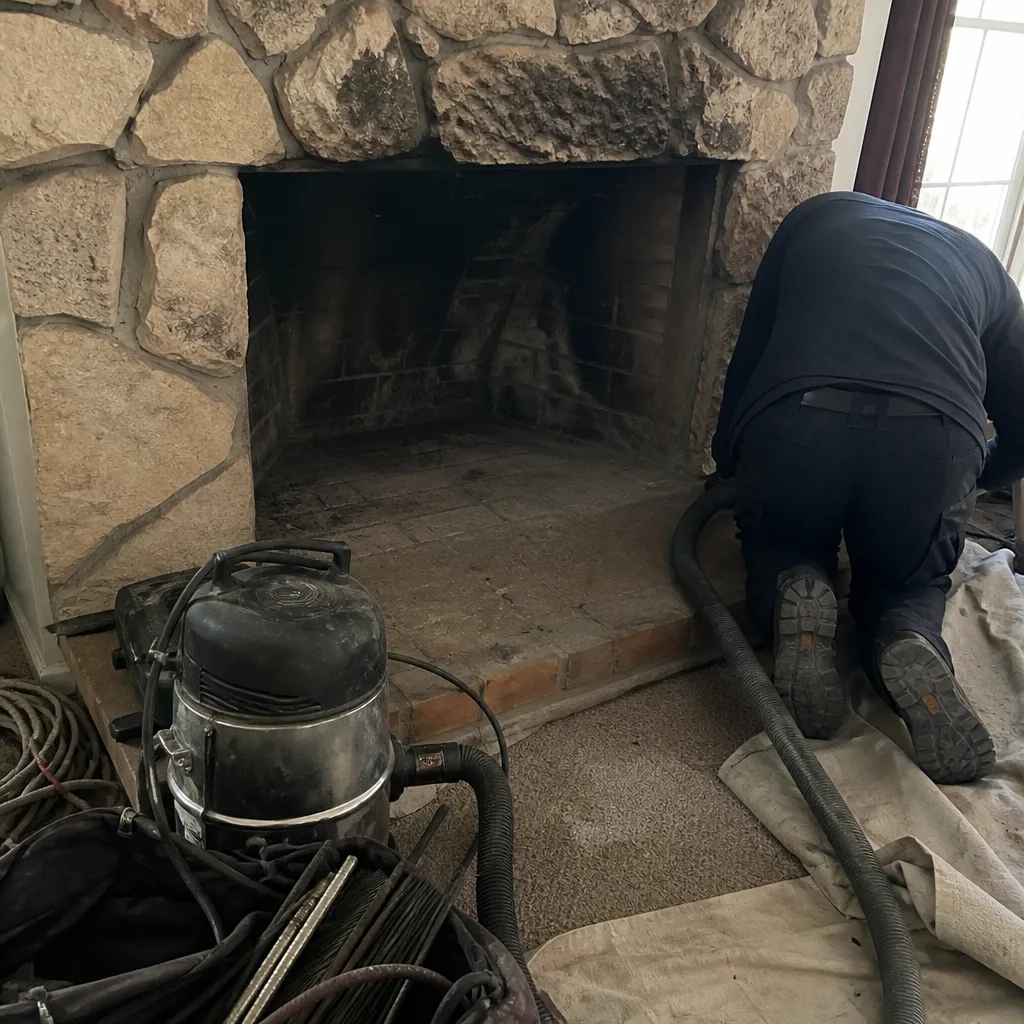 Before
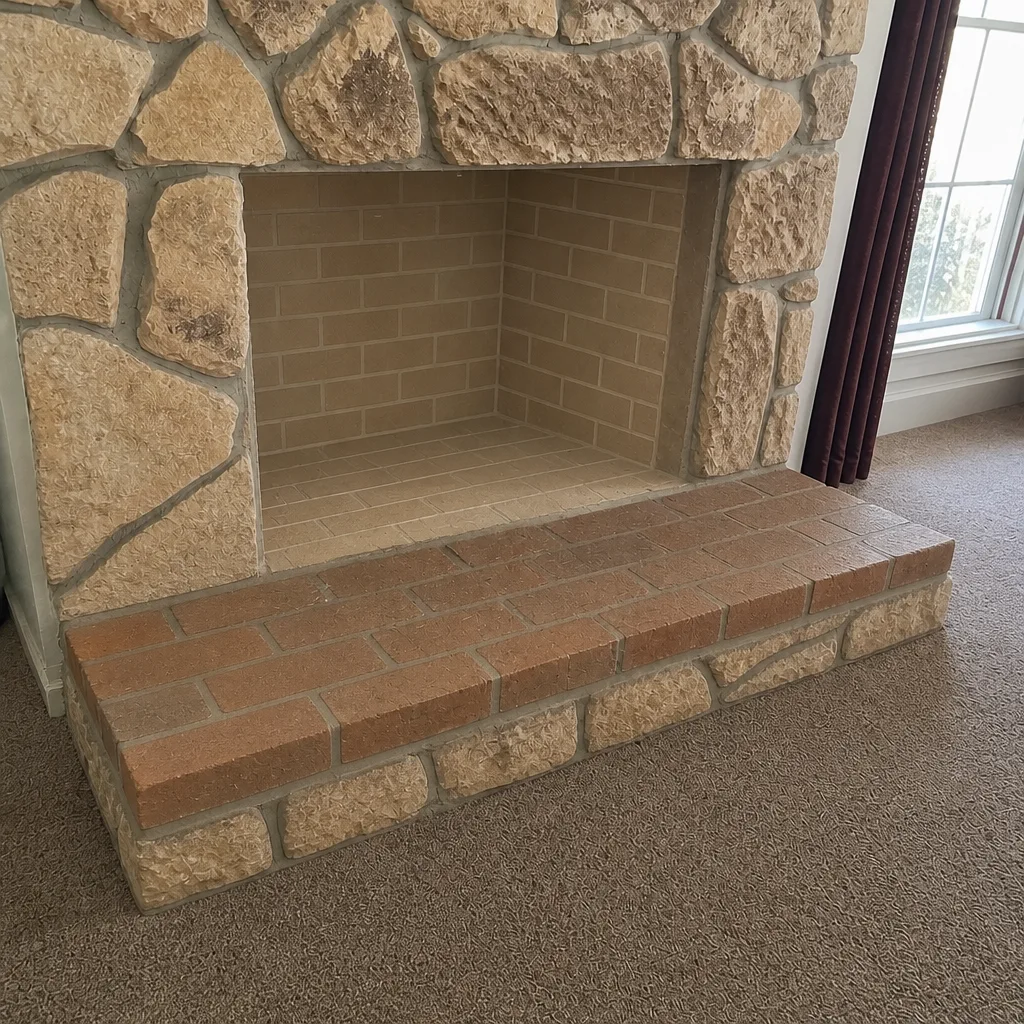 After
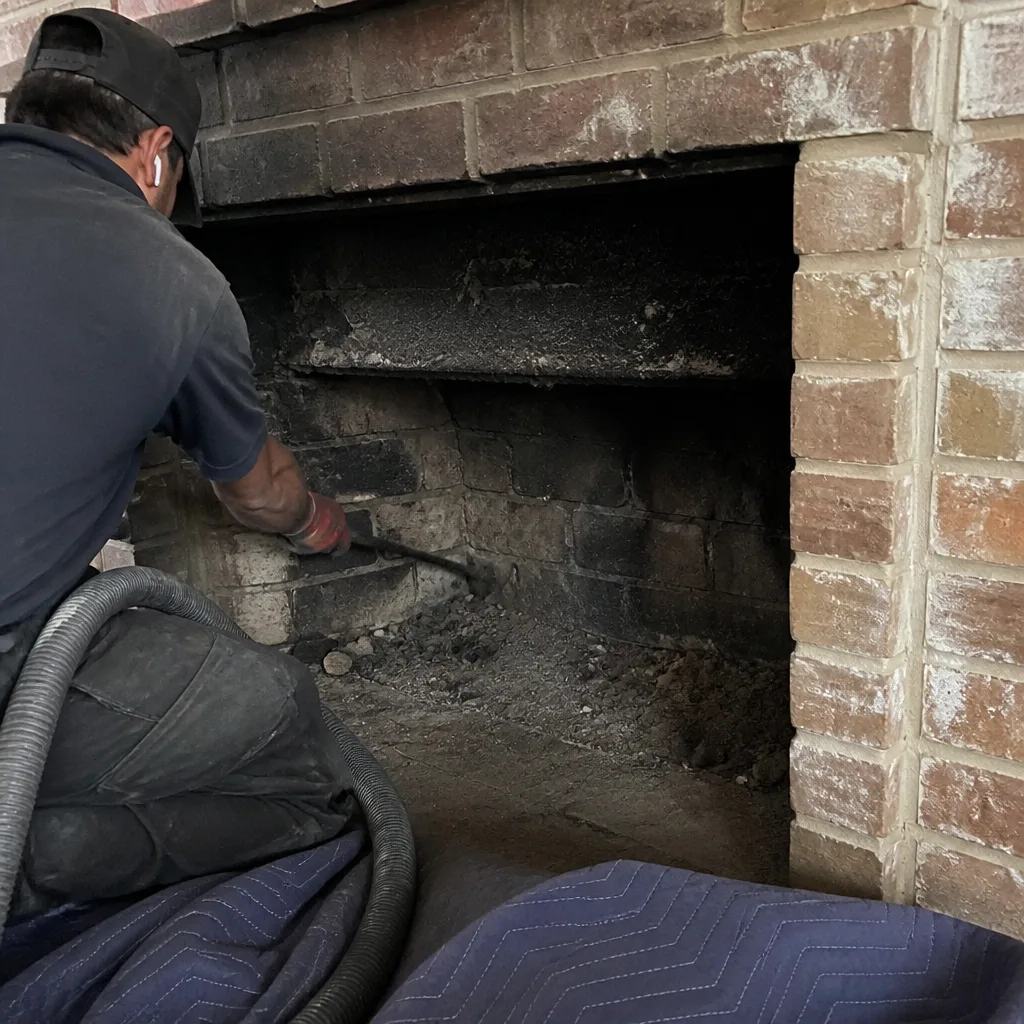 Before
 After
 Before
 After