
Last updated November 4, 2026
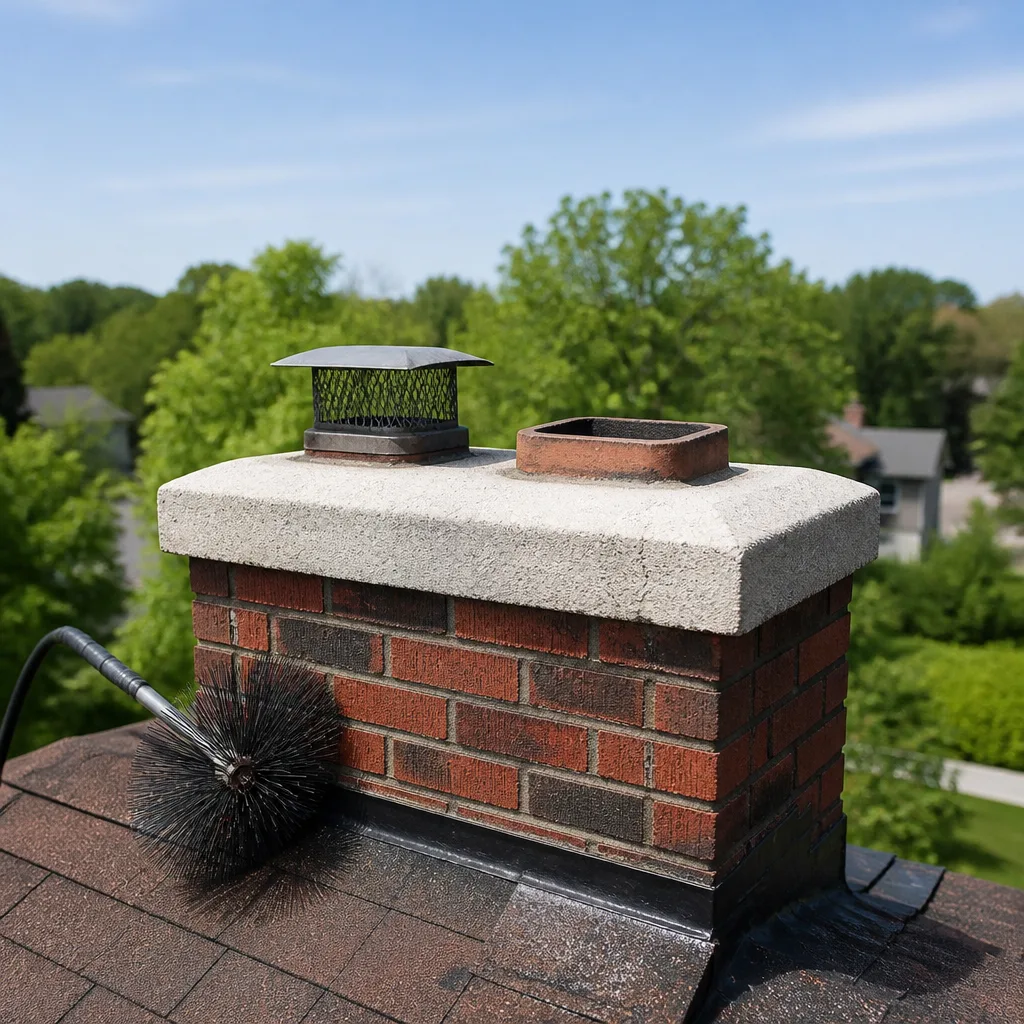 Sweep & inspection
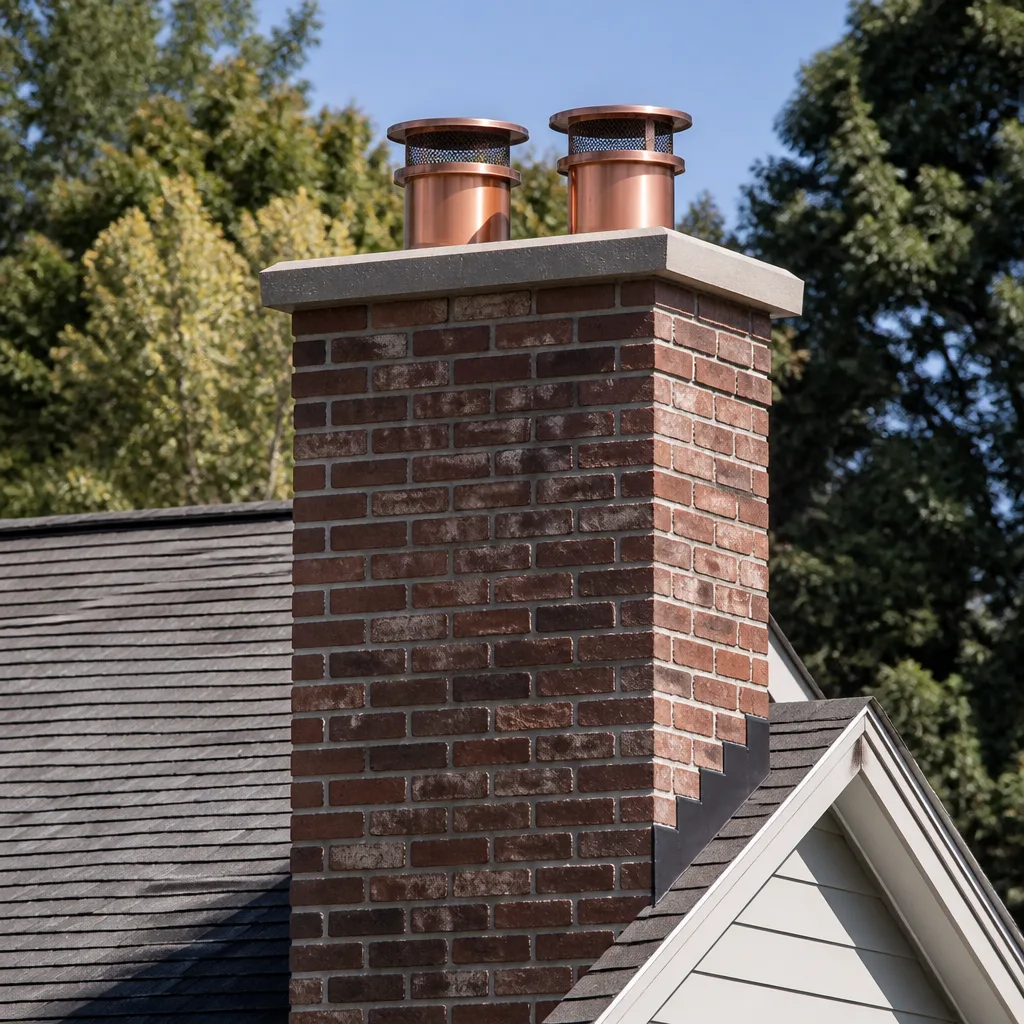 Caps & crowns
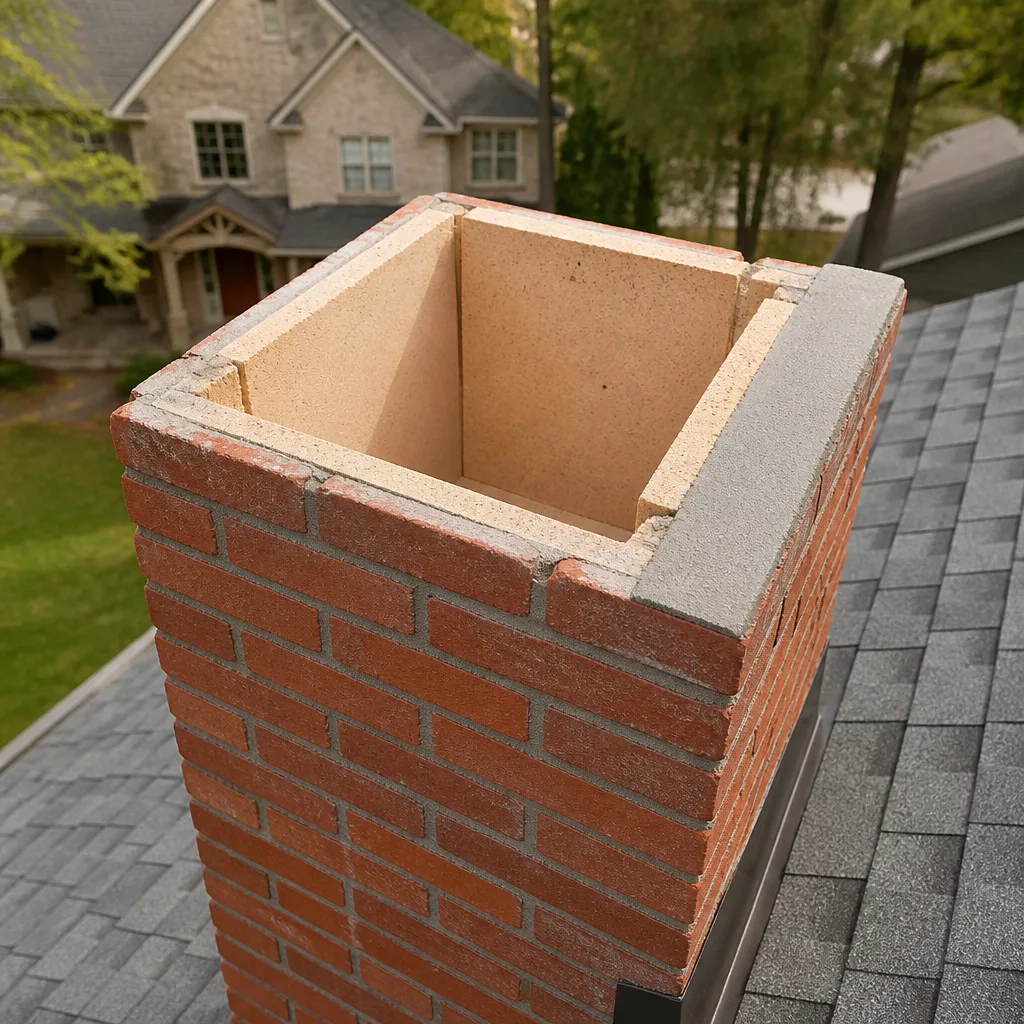 Flue relining
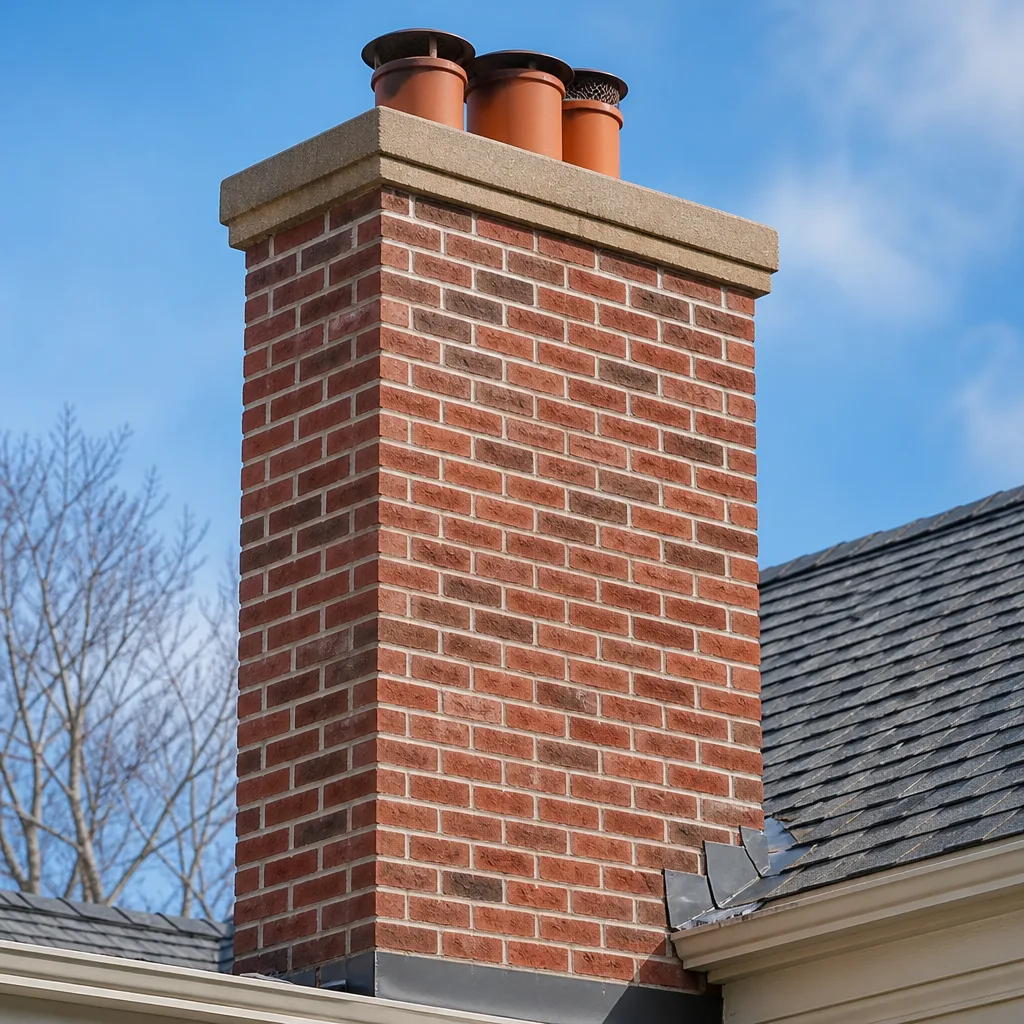 Masonry repair
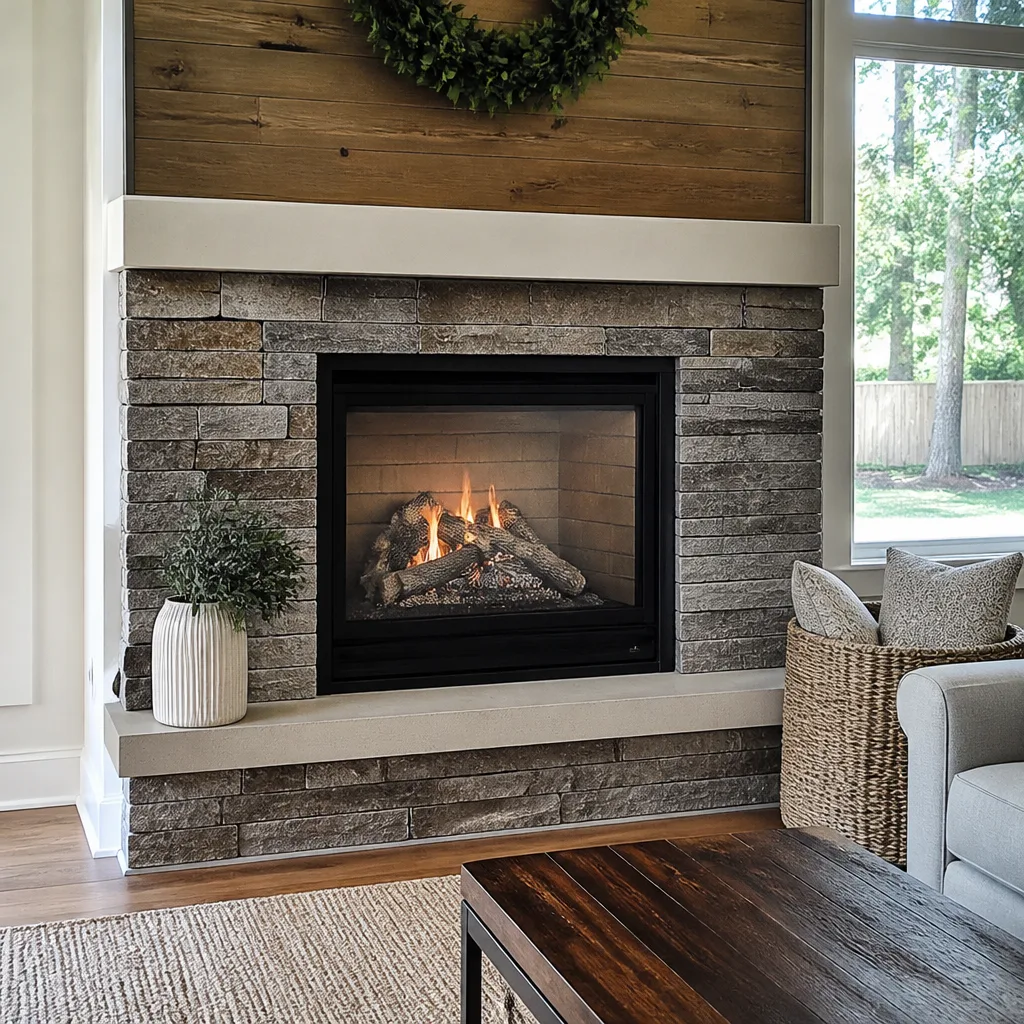 Gas fireplace service
Level 1 sweep and inspection to the NFPA 211 annual standard - flue, crown, cap, and flashing checked and photographed
Chimney sweep logs do not sweep chimneys. They loosen some creosote - which then falls where a brush and vacuum still have to collect it.
Chimney Cleaning Emergency Preparedness Guide for North Sacramento Homes
Most North Sacramento homeowners don’t think about their chimney until the first cold evening in November, when they light a fire and the living room fills with smoke. What feels like a sudden emergency is almost always the result of months of quiet accumulation: creosote layering the flue walls through the previous burn season, a bird building a nest in the cap over summer, or leaves and debris settling into the smoke shelf. This guide walks through what actually happens during a chimney emergency, how to prevent the most common ones, and what to do in the first sixty seconds if you ever hear a roar coming from your fireplace. We’ll also cover the post-fire inspection requirements that most insurance adjusters expect to see documented.
Quick Answer
A chimney emergency in North Sacramento usually means one of three things: an active chimney fire, a smoke event caused by a blockage, or carbon monoxide backing up into a sealed-up winter home. Every one of these is preventable with a pre-season inspection and cleaning before the first fire of fall. If you hear a loud cracking or roaring sound from your flue, see flames shooting from the chimney top, or smell smoke in rooms far from the fireplace, call 911 first, then a chimney sweep for a post-fire inspection before you use the fireplace again.
Styles & brands we work with
- Sweep & inspection
- Caps & crowns
- Flue relining
- Masonry repair
- Gas fireplace service
Table of Contents
- The Three Chimney Emergencies North Sacramento Homes Face
- How to Identify an Active Chimney Fire in the First 60 Seconds
- The Pre-Season Emergency Prevention Checklist
- What to Do After a Chimney Fire, Even If the House Didn’t Burn
- Carbon Monoxide Risk in North Sacramento’s Sealed-Up Winter Homes
- Who to Call and in What Order
- Common Mistakes to Avoid
- When to Call a Professional
The Three Chimney Emergencies North Sacramento Homes Face
In our experience serving North Sacramento since 2013, chimney emergencies follow a predictable pattern. The first fire of the season reveals a problem that has been building for months. The three emergencies we see most often are chimney fires, smoke events from blockages, and carbon monoxide intrusion. Each has a different cause and a different response.
A chimney fire happens when creosote, the tar-like byproduct of wood combustion, ignites inside the flue. Creosote accumulates every time you burn wood, and it doesn’t go away on its own. One hot, fast-burning fire in a dirty flue is enough to ignite it. A smoke event happens when something blocks the flue, usually an animal nest or a heavy creosote deposit that has narrowed the passage. Smoke has nowhere to go but back into the house. Carbon monoxide intrusion is the quietest of the three: a partial blockage allows some combustion gas to exit but pushes the rest back through the fireplace opening or a damaged flue liner into living spaces.
North Sacramento’s mild winters mean many fireplaces sit dormant from April through October. That long idle period is exactly when birds find uncapped chimneys, squirrels chew through damaged chase covers, and creosote hardens into a stubborn glaze that a basic brushing may not remove. Homes in neighborhoods like Del Paso Heights, Woodlake, and Hagginwood, with their mix of older masonry chimneys and newer prefabricated units, all face the same seasonal risk: a chimney that hasn’t been touched since spring gets asked to perform at full capacity in November.
How to Identify an Active Chimney Fire in the First 60 Seconds
The first sign of an active chimney fire is often the sound. People describe it as a loud cracking, popping, or roaring noise coming from the chimney, sometimes compared to a freight train or a low-flying jet. That sound is creosote igniting and expanding rapidly inside the flue. The second sign is visual: dense smoke billowing from the chimney top, and in serious cases, flames or burning debris shooting out above the roofline. The third sign is a strong, acrid smell that moves through the house, often described as hot tar or intense campfire.
If you see or hear any of these signs, here is what to do in the first sixty seconds:
- Close the fireplace doors or glass screen. This cuts the air supply to the fire. If you have a wood stove, close the air intake vents and the damper if you can reach it safely. Do not use water on the firebox: the sudden temperature change can crack masonry and create a steam explosion.
- Get everyone out of the house. Do not stop to gather belongings. Chimney fires can spread to the roof structure faster than most people expect.
- Call 911 from outside or from a neighbor’s house. Tell the dispatcher you have an active chimney fire. Fire crews in North Sacramento are familiar with these calls and know how to address them.
- Do not go back inside until the fire department says it’s safe. Even if the roaring stops, creosote can continue smoldering inside the flue and reignite.
One thing that surprises many homeowners: a chimney fire can burn itself out before the fire department arrives, especially if the flue is metal and the creosote layer is thin. That does not mean the danger is over. The flue liner may now have cracks or separation that you cannot see from the outside. That’s why the post-fire inspection is not optional, even when the house looks untouched.
The Pre-Season Emergency Prevention Checklist
The cheapest chimney emergency is the one that never happens. Before the first fire of fall in a North Sacramento home, there are four things to confirm. Skipping any one of them is how October and November emergencies happen.
- Schedule a professional chimney sweep and inspection. A chimney sweep removes creosote that has accumulated over the previous burn season and checks the flue for cracks, blockages, and deterioration. This is the single most effective preventive step. The National Fire Protection Association recommends annual inspection and cleaning as needed, but we tell our North Sacramento customers to treat it as a pre-season ritual, not an occasional thought.
- Confirm the chimney cap is intact and properly fitted. An uncapped or damaged chimney cap is an open invitation to birds, squirrels, and raccoons. Animal nests are one of the most common causes of first-burn smoke events. A properly sized cap, using components from brands like Gelco or Famco, keeps animals out while allowing proper draft.
- Check the damper operation before the first fire. A damper that doesn’t open fully restricts the flue and sends smoke into the room. One that doesn’t close properly lets warm house air escape all winter and allows cold downdrafts to push smoke back in. Test it before the season starts, not after the room fills with smoke.
- Walk outside and look at the chimney structure. From the ground, check for visible cracks in the masonry, a tilting cap, rusted flashing, or missing mortar joints. You won’t see everything from ground level, but obvious damage is a reason to call for a closer look before you burn.
These four items take less than an afternoon to confirm, and they eliminate the vast majority of the emergency calls we handle each fall in North Sacramento.
What to Do After a Chimney Fire, Even If the House Didn’t Burn
A chimney fire compromises the flue liner in ways that are not visible from the living room. The intense heat, which can exceed 2,000 degrees Fahrenheit inside the flue during an active fire, causes masonry to crack and metal liners to warp, buckle, or separate at the seams. If you burn another fire in a damaged flue, combustion gases can leak through those openings into wall cavities and living spaces.
The post-fire protocol is straightforward, and it matters for both safety and insurance documentation:
- Do not use the fireplace again until it has been inspected. This is non-negotiable. Even if the fire was small and the house seems fine, the flue’s integrity is now unknown.
- Contact a qualified chimney professional for a Level 2 inspection. The Chimney Safety Institute of America defines a Level 2 inspection as the standard for any chimney that has experienced a fire or a change in the venting system. It includes a video scan of the flue interior, which is the only way to see cracks, separations, and heat damage that are invisible to the naked eye from above or below.
- Document everything for your insurance claim. Take photos of the firebox, the chimney exterior, and any damage you can see. Keep the chimney professional’s written report. Insurance adjusters in North Sacramento expect to see evidence of a post-fire inspection before they process a claim for chimney damage. If you skip the inspection and later discover damage, the claim may be harder to pursue.
- Discuss repair options with your chimney professional. Depending on what the Level 2 inspection finds, the damage may call for a new liner system, such as a DuraFlex flexible liner, or a resurfacing method like HeatShield that restores the flue walls without a full rebuild. The right fix depends on the extent of the heat damage.
A chimney fire is never a “wait and see” situation. The most expensive chimney repairs we see in North Sacramento are the ones that followed a small chimney fire that the homeowner assumed was harmless.
Carbon Monoxide Risk in North Sacramento’s Sealed-Up Winter Homes
Carbon monoxide is the chimney emergency that announces itself last. The gas is odorless and colorless, and the early symptoms, headache, fatigue, and mild nausea, are easy to blame on a cold or a long day. In a house that’s closed up tight for winter, a partially blocked flue or a cracked liner can route carbon monoxide back into living spaces instead of venting it outside.
North Sacramento homes tend to get sealed up in winter. Windows that were open through the fall stay closed from November through March. Weather stripping and insulation do their job, which also means the house has less natural air exchange. When a flue is partially obstructed, maybe by creosote buildup or a partial animal nest, the chimney still draws some combustion gas upward, but the rest has nowhere to go. It backs up through the fireplace opening or seeps through liner cracks into the house.
What makes this especially dangerous is that a partial blockage doesn’t always produce visible smoke. The fire burns fine. The room doesn’t fill with haze. But the carbon monoxide, which is heavier than air, begins to accumulate. The most important preventive step is a working carbon monoxide detector on every level of the home, especially near sleeping areas. Test the detectors when you change your clocks in fall and spring. Replace batteries annually.
Beyond detectors, the structural fixes matter: a clean flue, an intact liner, and a properly functioning damper. A chimney sweep who finds a partial blockage during a routine cleaning may be preventing a carbon monoxide event that would otherwise have gone unnoticed until it was too late.
Who to Call and in What Order
The sequence of a chimney emergency response matters more than most homeowners realize, especially when an insurance claim is involved.
First: the fire department. If there is an active fire, visible flames, or heavy smoke, call 911 immediately. Even if the fire seems small, the fire department’s response creates the official record that insurance companies rely on later. They will also check for hidden fire extension into the roof or walls, which is not something a homeowner can assess from the ground.
Second: a chimney professional. Once the immediate danger is resolved, call a qualified chimney sweep for a post-fire or post-event inspection. This is not the time for a discount coupon or a handyman with a brush. The inspection needs to be thorough enough to document the condition of the flue liner and identify what caused the event in the first place. In North Sacramento, Laurel Chimney Sweep provides this kind of inspection and can move from diagnosis to repair, including liner replacement and HeatShield resurfacing, without handing the job off to another contractor.
Third: your insurance adjuster. Contact your insurer after you have documentation from the fire department and the chimney professional. The sequence matters because insurance adjusters ask specific questions: Was the chimney inspected before the fire? What did the professional find? What repairs are recommended? Having the answers ready, with written documentation, moves the claim forward. If you call the adjuster first and have no inspection report, the claim stalls while you gather evidence.
The order is not interchangeable. Fire department first because it’s life safety and official record. Chimney professional second because the damage assessment is what the insurer needs. Adjuster third because that’s when you have something to show.
Common Mistakes to Avoid
- Lighting the first fire of the season without an inspection. This is the single biggest cause of October and November chimney emergencies in North Sacramento. The flue has been idle for months, and you won’t know what’s inside until you check.
- Assuming a small chimney fire is harmless. The fire may have burned itself out, but the liner may now be compromised. Burning again without a post-fire inspection is like driving on a tire with a sidewall bulge.
- Closing the damper before the fire is completely out. Smoldering embers still produce carbon monoxide. Closing the damper too early routes that gas into the house. Wait until the fire is fully extinguished and the embers are cold.
- Using water to put out a chimney fire. The thermal shock can crack masonry, and the steam can carry burning creosote into the house. Close the air supply and evacuate. Leave the firefighting to the fire department.
- Ignoring a smoke smell that only appears when the wind blows a certain way. It’s easy to dismiss as a quirk of the house, but it’s usually a sign of a draft problem or a partial blockage. A chimney professional can trace it to the source.
- Skipping the carbon monoxide detector check. A detector with dead batteries is not a safety device. Test it with the seasonal clock change, every year, no exceptions.
- Hiring someone who only cleans and doesn’t inspect. A brush through the flue is not the same as an inspection. You need someone who can tell you what’s wrong with the liner, not just remove the soot. Laurel Chimney Sweep is a full-service Laurel Chimney Sweep company in North Sacramento, meaning a cleaning visit that finds a problem can turn into a same-day repair rather than a referral to someone else.
When to Call a Professional
Call before you burn, not after the room fills with smoke. That’s the short version. The longer version: call if you haven’t had the chimney inspected in the past year, if you’ve had a chimney fire even if it seemed small, if you smell smoke when the fireplace isn’t in use, if you see visible creosote buildup inside the flue, or if you find animal nesting material in the firebox. Any of these is a reason to schedule an inspection. Laurel Chimney Sweep offers free estimates in North Sacramento, call (866) 282-7519. We answer 24/7. Fast dispatch from 7am to 7pm, Sunday through Friday.
Don’t wait for the first cold evening. The chimney that gets inspected and cleaned in September is the one that performs safely in November. The one that waits is the one that makes the October emergency call.
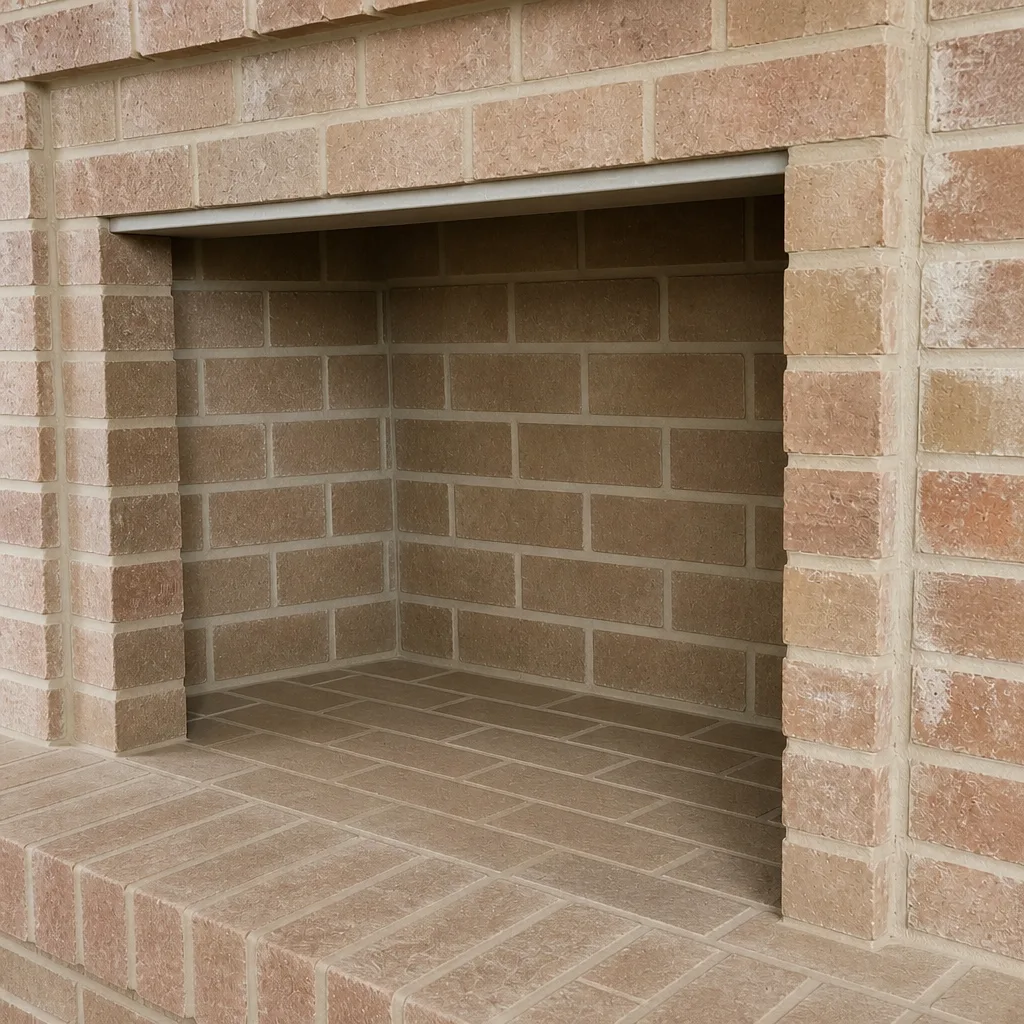
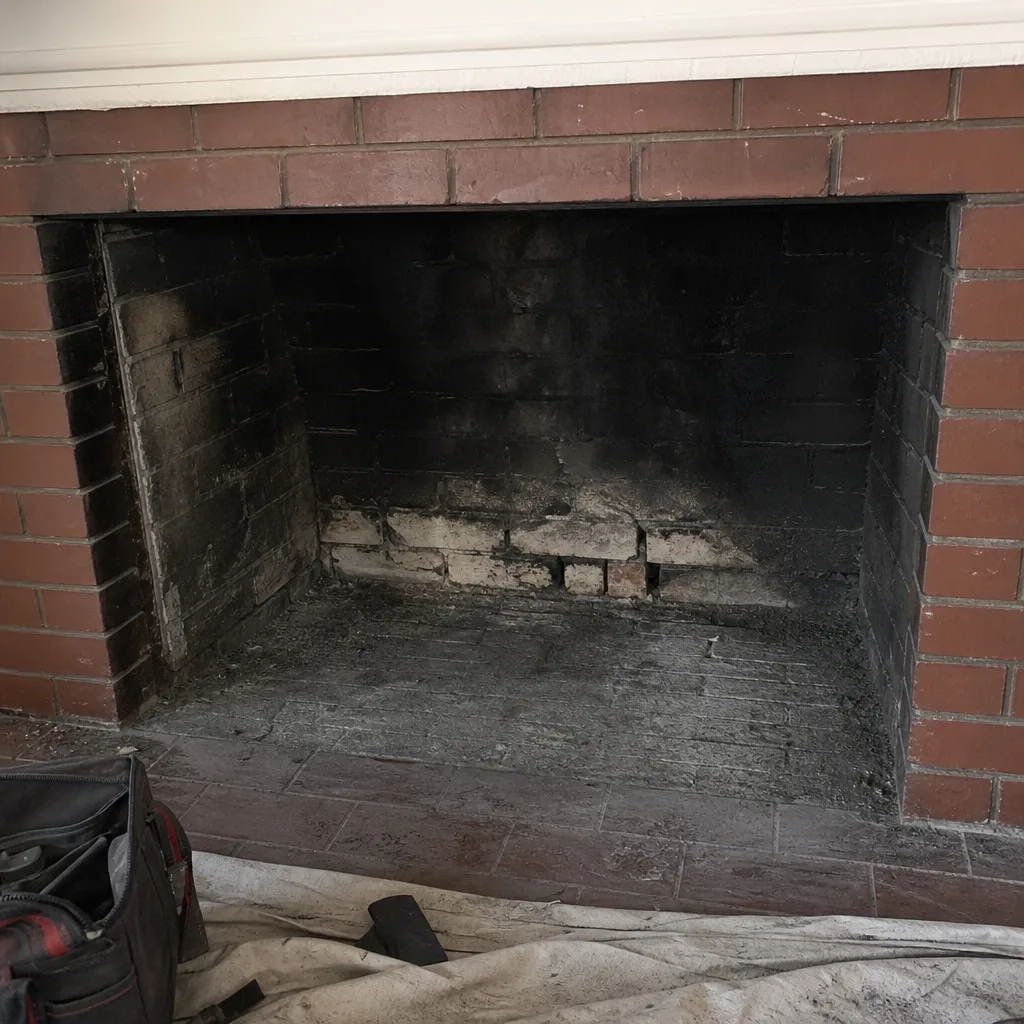
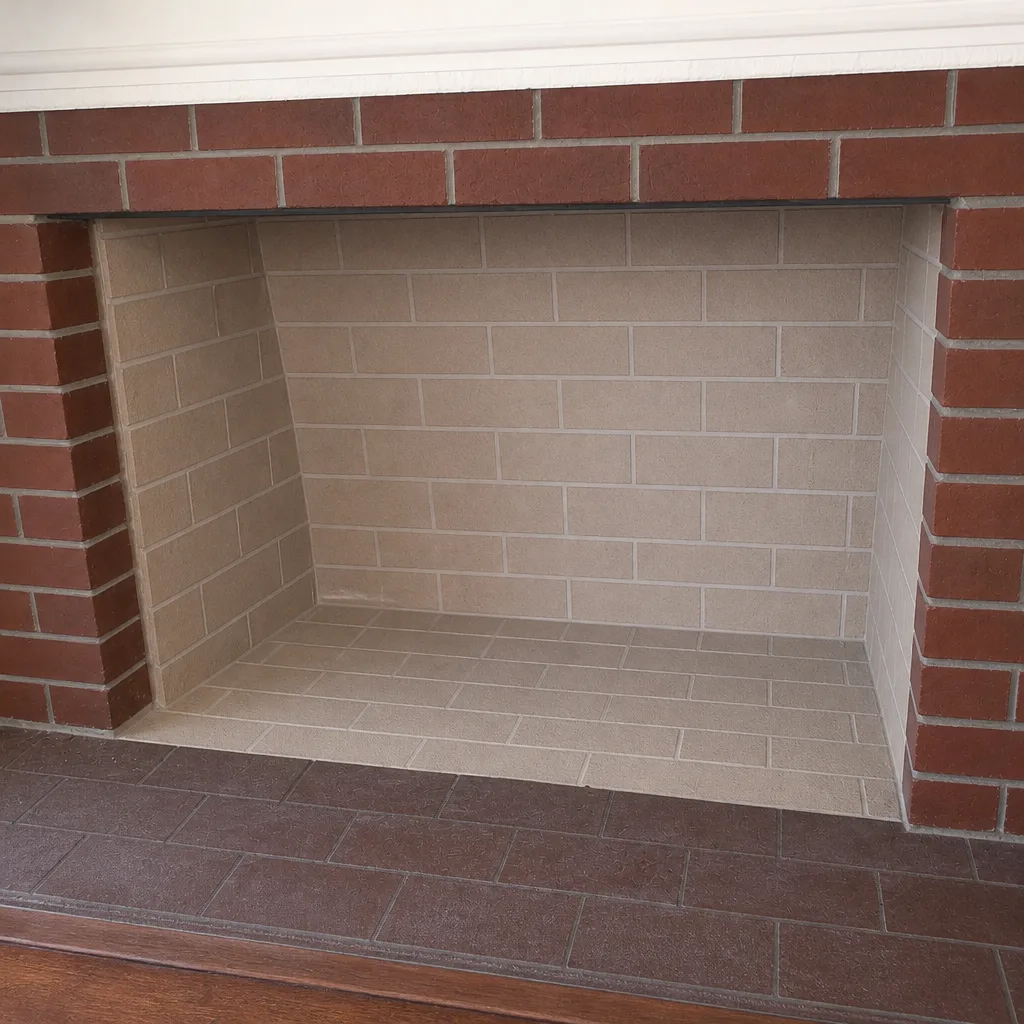
See the difference
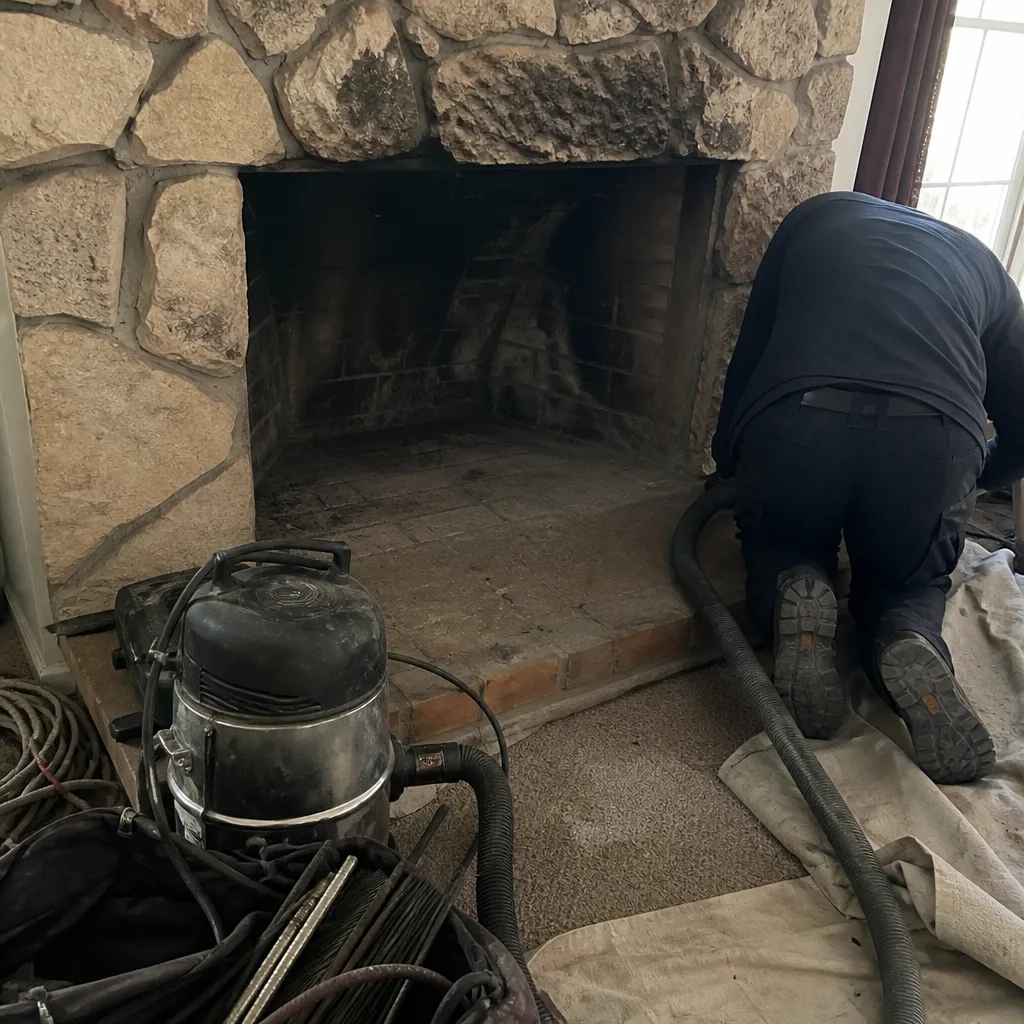 Before
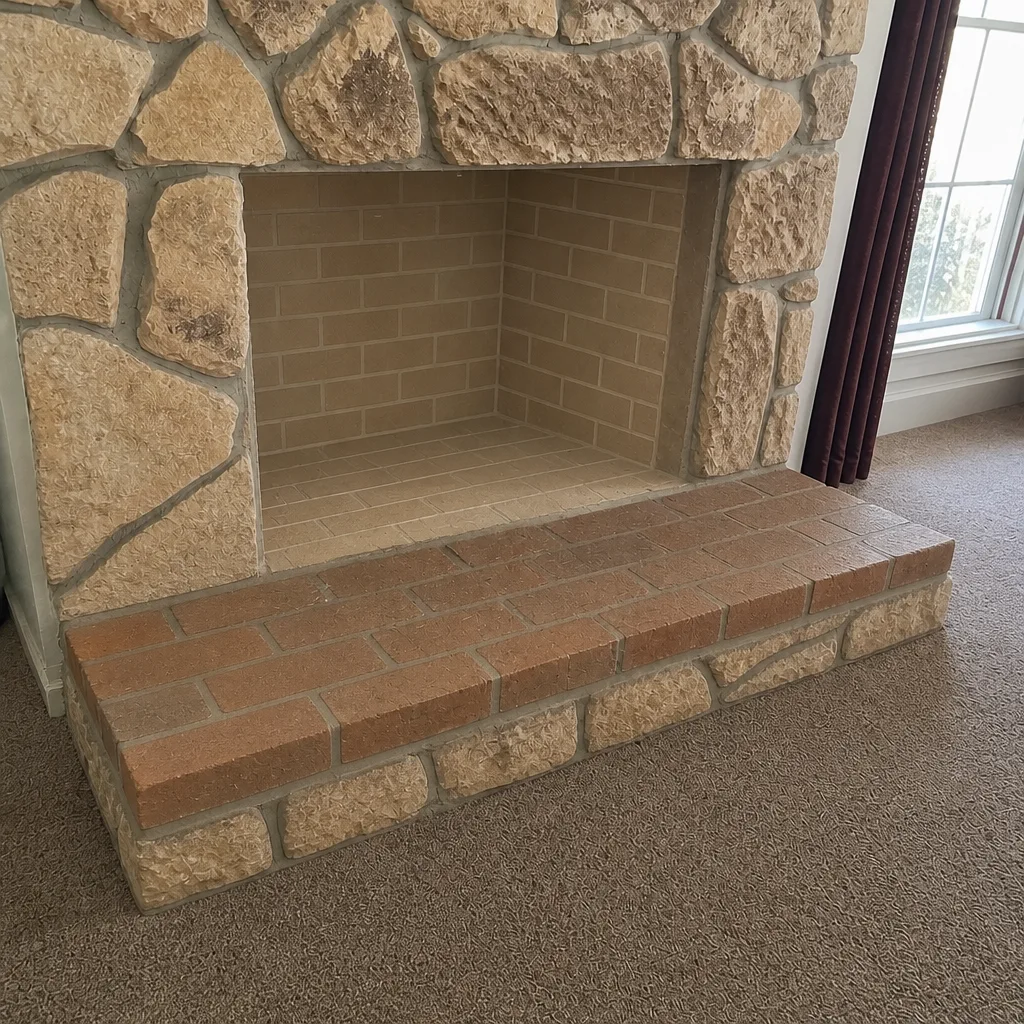 After
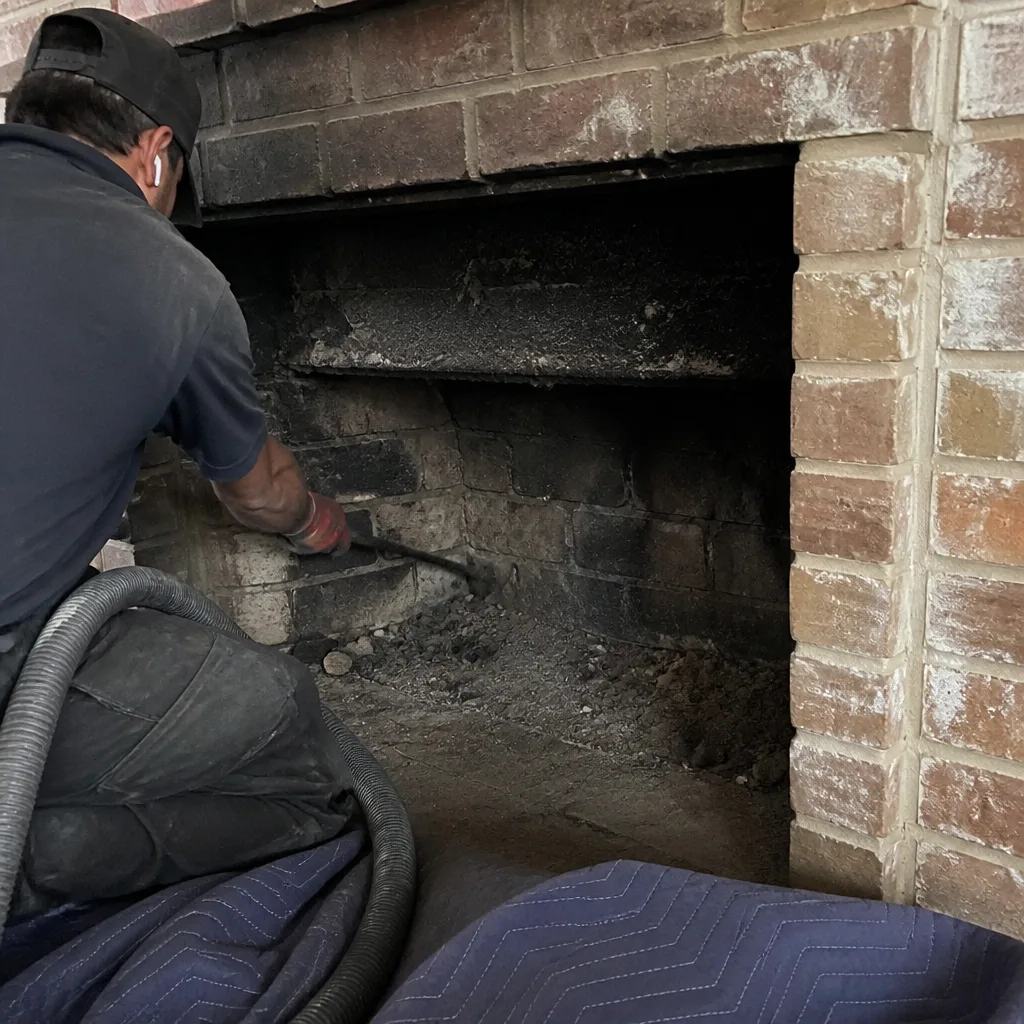 Before
 After
 Before
 After
Frequently Asked Questions
A standard chimney sweep and inspection in North Sacramento typically costs between $180 and $340, depending on the chimney’s condition, height, and accessibility. A chimney that hasn’t been cleaned in years, or that shows signs of glazed creosote or animal nesting, may fall at the higher end of that range. The written estimate sets the final price, and estimates are free. Call (866) 282-7519 for an exact quote.
The National Fire Protection Association recommends at least an annual inspection, with cleaning performed as needed based on creosote accumulation. For most North Sacramento homes that burn wood regularly through the fall and winter, an annual sweep before the first fire of the season is the practical standard. Homes that burn unseasoned wood or use the fireplace daily may need a mid-season check too.
Creosote accumulates every time you burn wood, and a single season of regular burning can produce enough buildup to become a fire hazard. Skipping a year means that buildup hardens, making it harder to remove and more likely to ignite. It also means an animal nest or blockage that could have been caught early has a full year to develop into a smoke emergency or carbon monoxide risk.
Not always. A Level 2 inspection with a video scan tells you whether the liner is intact or compromised. Minor heat damage may be addressable with HeatShield resurfacing, which restores the flue walls without a full replacement. If the liner is cracked or separated, a new liner system, such as a DuraFlex flexible liner, may be the right call. The point is to find out with evidence, not guesswork.
Yes. Carbon monoxide intrusion often starts with a partial blockage or a cracked liner, both of which a professional inspection can identify. A clean flue with an intact liner and a functioning damper routes combustion gases outside the way it’s supposed to. Carbon monoxide detectors are a critical backup, but the first line of defense is the chimney itself.
The chimney sits idle from spring through fall, which gives animals time to nest, debris time to accumulate, and creosote time to harden. When the first cold evening arrives and a homeowner lights a fire, the chimney is asked to perform at full capacity after months of disuse. Everything wrong with it announces itself at once, usually as smoke in the living room or worse. A pre-season inspection catches those problems before the first match is lit.
Hire someone who does more than push a brush through the flue. You want a sweep who inspects the liner, checks the cap and damper, and can tell you what’s wrong and what it costs to fix. Laurel Chimney Sweep is a full-service company in North Sacramento that handles chimney sweep, chimney repair, and dryer vent cleaning. We carry the professional-trade materials, including DuraFlex liners and HeatShield resurfacing, that make a single visit enough for both diagnosis and repair.
The Bottom Line
Chimney emergencies in North Sacramento are preventable with a pre-season inspection and cleaning, and the ones that still happen are manageable if you know the signs and the sequence. Learn to recognize the sound of a chimney fire, keep your carbon monoxide detectors working, and call 911 before you call anyone else when there’s an active fire. After the emergency, do not burn again until a Level 2 inspection confirms the flue is intact. The homeowners who get through burn season without a scare are the ones who treat their chimney like a system that needs a pre-season checkup, not a decorative feature. Call (866) 282-7519 for a free estimate. We answer 24/7. Fast dispatch from 7am to 7pm, Sunday through Friday.
Written by the team at Laurel Chimney Sweep, serving North Sacramento since 2013.