
Last updated November 4, 2026
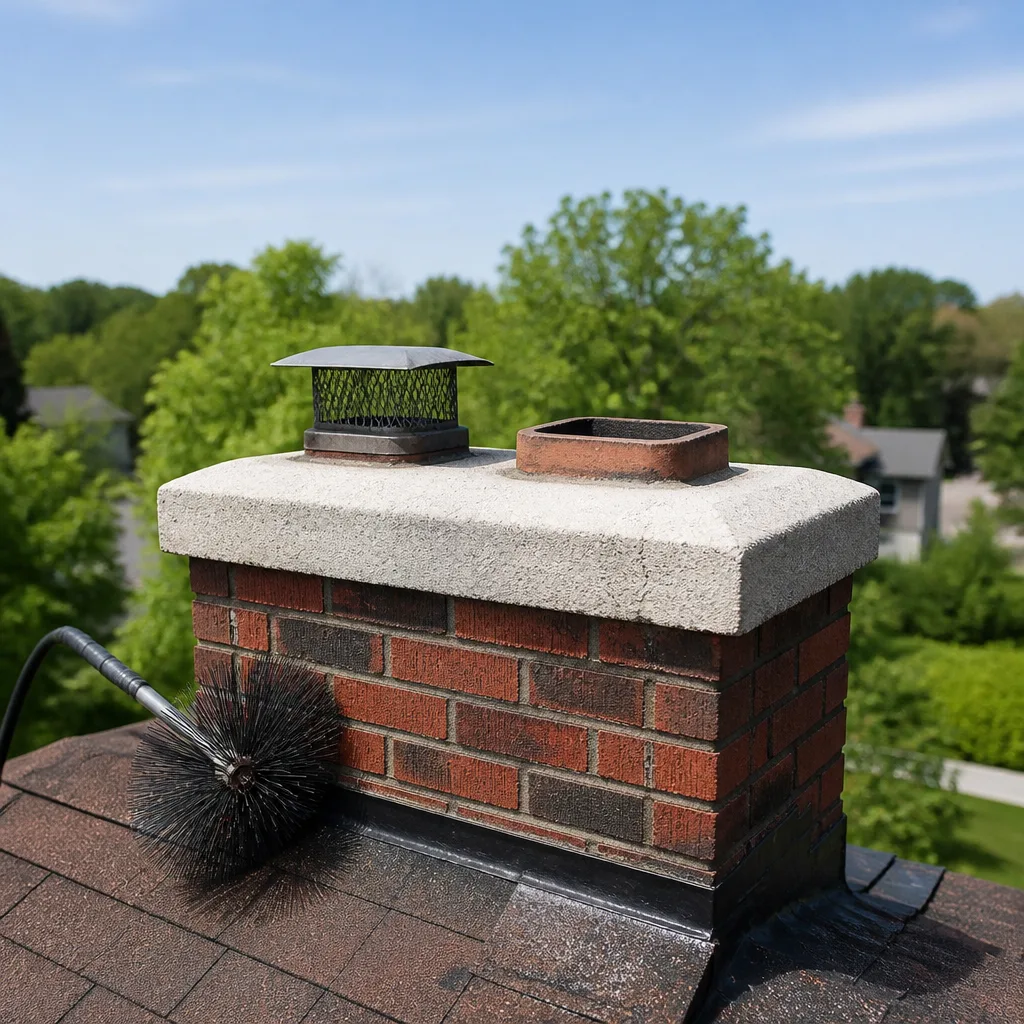 Sweep & inspection
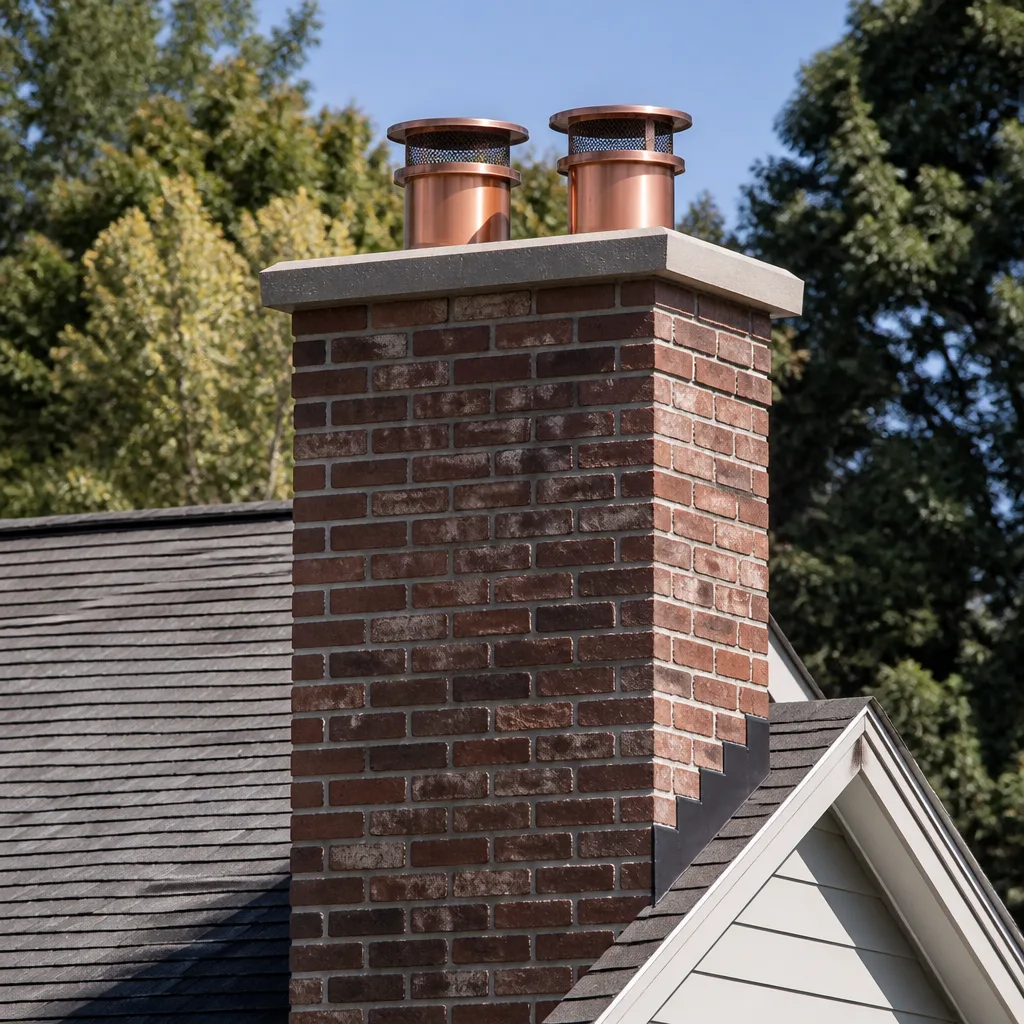 Caps & crowns
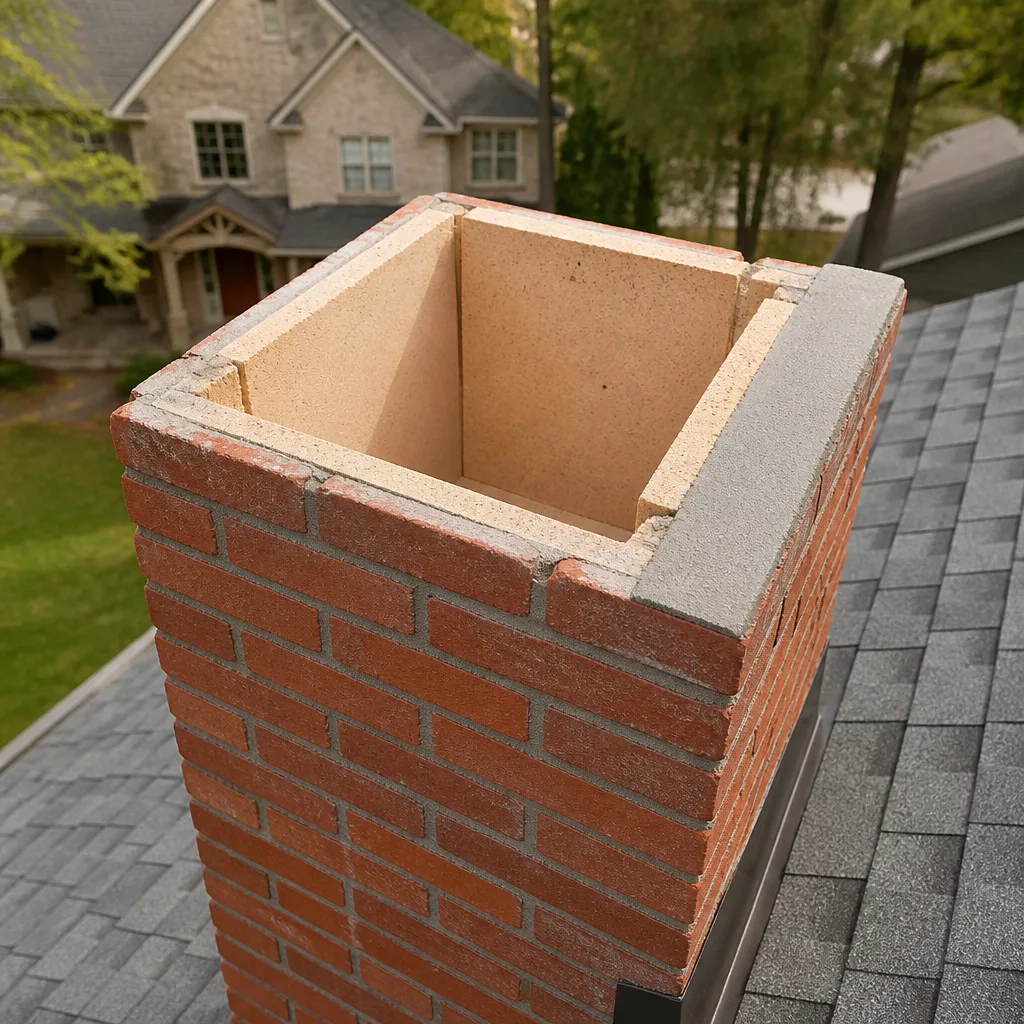 Flue relining
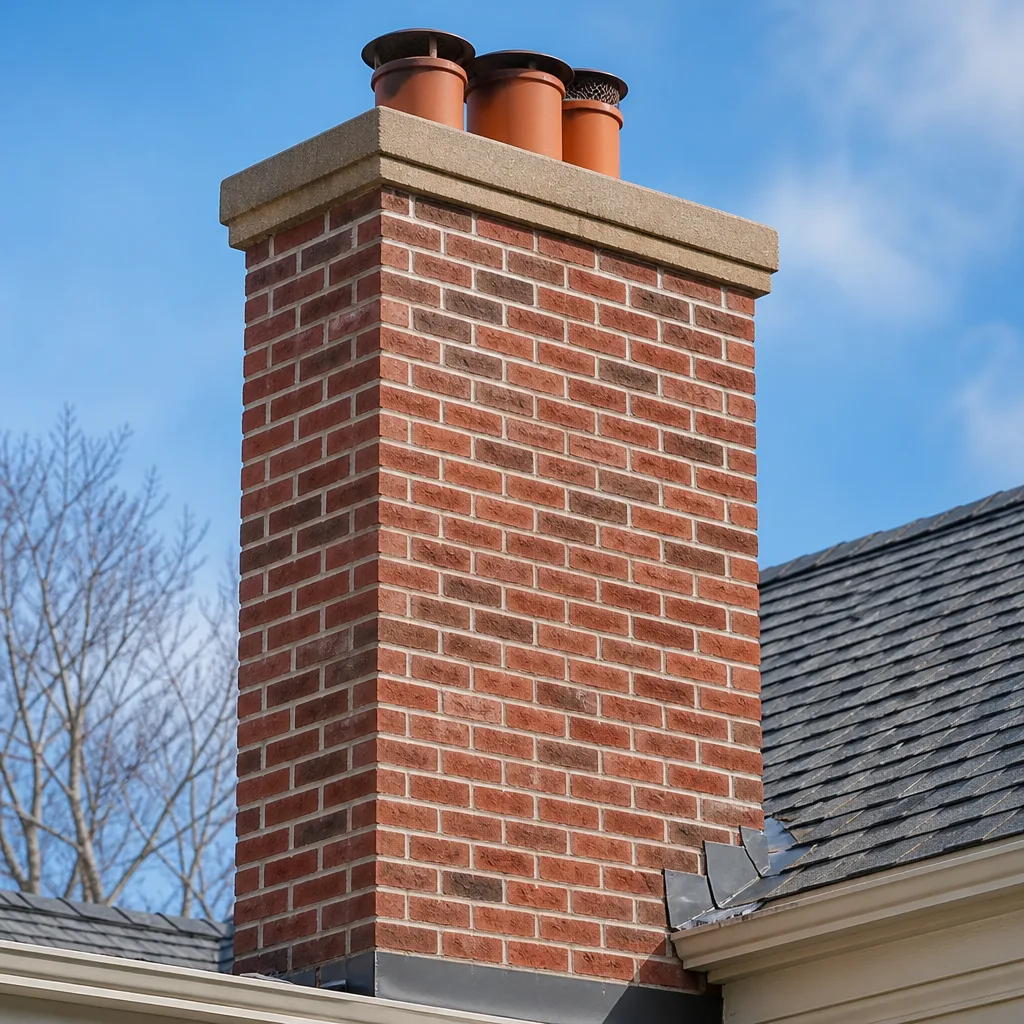 Masonry repair
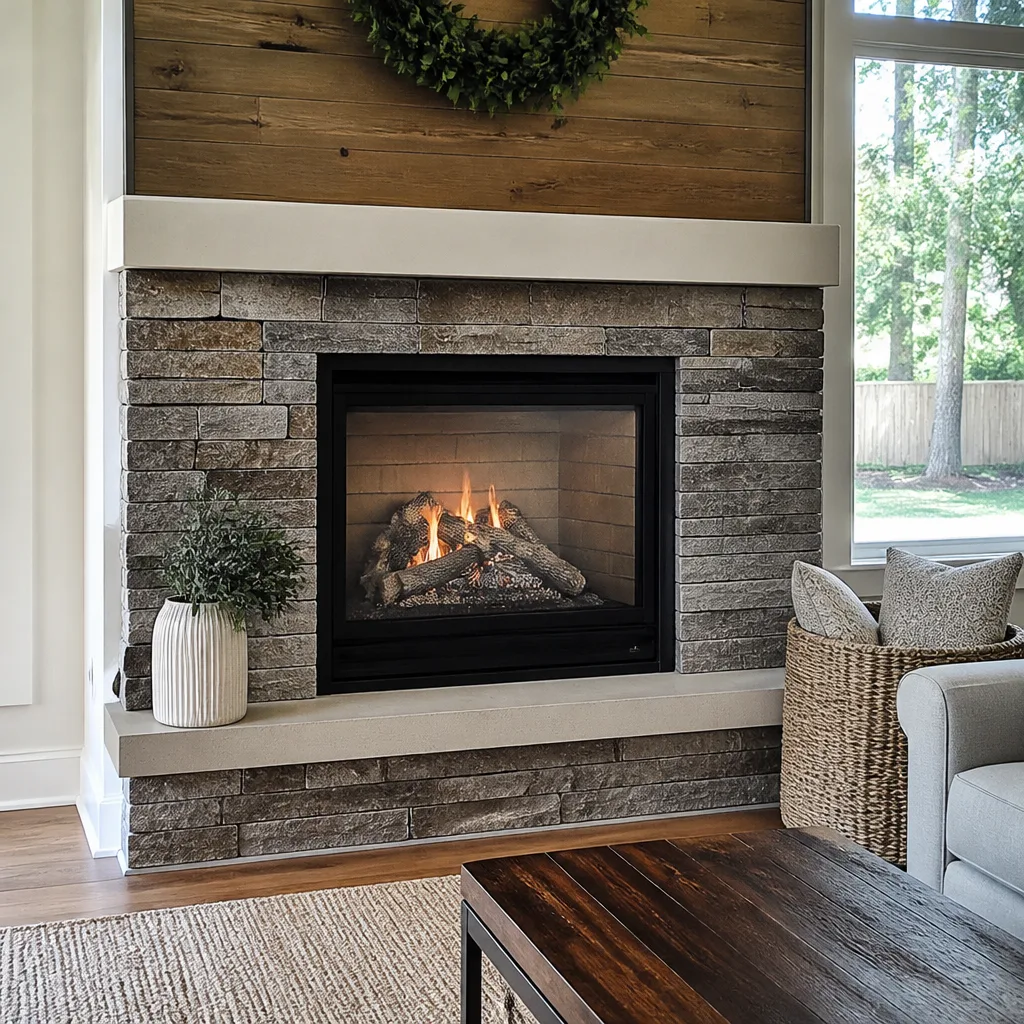 Gas fireplace service
Level 1 sweep and inspection to the NFPA 211 annual standard - flue, crown, cap, and flashing checked and photographed
Chimney sweep logs do not sweep chimneys. They loosen some creosote - which then falls where a brush and vacuum still have to collect it.
Chimney Cleaning Warning Signs: A North Sacramento Homeowner’s Reference Guide
A smoky smell in your North Sacramento living room in October isn’t a warning sign. It’s a confirmation that something already went wrong during the nine months your fireplace sat dormant. By the time you smell smoke inside the house, the problem has been developing for a while: a flue restriction, a failing liner, a damper that never quite sealed after last season. What we want to do here is teach you to read the earlier signals, the ones that show up weeks or months before the smoke does. This guide covers what to look for on the outside of your chimney, inside your firebox, and in the way your fire behaves when you light it. If you live in North Sacramento and burn wood or run a gas fireplace, these are the indicators that tell you when to schedule a chimney sweep before the problem becomes a hazard.
Styles & brands we work with
- Sweep & inspection
- Caps & crowns
- Flue relining
- Masonry repair
- Gas fireplace service
Quick Answer
The most common chimney warning signs in North Sacramento are a sluggish draft that lets smoke drift into the room, a strong odor coming from the firebox even when the fireplace is cold, visible flaking or tar-like deposits on the firebox walls, and cracking or efflorescence on the exterior crown. Any one of these means the flue is no longer moving combustion gases the way it should. The earliest signs are structural: crown cracks, white mineral staining on the brick, and mortar erosion at the roofline. If you see smoke backing up into the room or smell burning creosote, stop using the fireplace and call a professional immediately.
Table of Contents
- Exterior Warning Signs You Can See From the Ground
- What Different Creosote Deposits Look Like Inside the Firebox
- Draft and Combustion Indicators: What a Sluggish Draft Actually Means
- Damper and Smoke Shelf Warning Signs You Can Check Yourself
- When the Problem Is the Liner, Not the Debris
- When a Warning Sign Becomes an Emergency
- Why North Sacramento’s Climate Creates a Specific Warning-Sign Pattern
- Common Mistakes to Avoid
- When to Call a Professional
- Frequently Asked Questions
- The Bottom Line
Exterior Warning Signs You Can See From the Ground
Most homeowners never look at their chimney from the outside until something is visibly wrong. That is backwards. The exterior of your chimney is the first place where trouble announces itself, and you do not need a ladder to check. Stand in your yard or on the sidewalk and look up at the crown, the masonry, and the roofline intersection.
The crown is the concrete or mortar cap that sits on top of the chimney structure, around the flue opening. Its job is to shed water away from the flue and the masonry. When you see hairline cracks running across the crown surface, that means water is getting into the chimney structure. In North Sacramento, our wet season runs from November through March, and a cracked crown lets every rainstorm work its way into the brick and mortar below. The cracks will widen. Pieces of the crown will start to spall, which means small chips and fragments break off. Once the crown starts spalling, the structural deterioration has moved from cosmetic to functional.
Efflorescence is another sign you can spot from the ground. It looks like a white, chalky or powdery film on the outside of the brick. Efflorescence is mineral salts left behind when water moves through masonry and evaporates. Seeing it on your chimney means water is traveling through the brick, carrying minerals to the surface. In Sacramento’s dry summers, the efflorescence bakes on and becomes more visible. A little efflorescence on an older chimney is common. A lot of it, especially appearing or spreading between seasons, means the masonry is holding water and the freeze-damage cycle is not even required to cause problems here: water alone erodes mortar joints, loosens brick, and eventually lets water reach the firebox and flue from above.
Mortar erosion at the roofline is the third exterior sign. The mortar joints between bricks are the sacrificial material in a chimney. Rain, sun, and the temperature swings between our cool, damp winters and 100-degree summer days cause mortar to expand and contract. Over time it crumbles. You will see sandy debris collecting in the roof valley or on the shingles near the chimney. You may see gaps where the mortar should be. This is called a voided joint, and every void lets more water into the structure. A chimney with serious mortar loss is a chimney that is letting water behind the bricks, and that water eventually reaches the flue liner or the firebox, and then the problems stop being exterior.
None of these exterior signs are emergencies on their own. They are warnings. They tell you that the chimney’s weather protection is failing, and that the interior components, the liner and the smoke chamber, are at risk. We recommend looking at your chimney from the street at least twice a year: once in October before burning season, and once in April after the last big rains. What you are looking for is change from one season to the next.
What Different Creosote Deposits Look Like Inside the Firebox
Creosote is the byproduct of incomplete wood combustion, and it collects on the inside of the flue and firebox. The critical thing most North Sacramento homeowners do not know is that creosote is not one uniform substance, and the type of creosote deposit determines what kind of cleaning your chimney needs.
There are three general stages of creosote, and they look, feel, and behave differently from each other:
- Stage one – flaky or dusty creosote. This looks like black or dark brown flakes or a fine soot coating on the firebox walls and damper. It brushes away easily with a standard chimney brush. Stage-one creosote is what a routine chimney sweep removes. This is normal buildup from regular burning.
- Stage two – tar-like or granular creosote. This looks like shiny, brittle flakes that have hardened into a rough, pebbled texture, or a sticky, tarry deposit. It clings to the flue walls and does not brush off easily. Stage-two creosote usually requires rotary cleaning tools or chemical treatment, and it signals that the fire has been burning at too low a temperature, which is common when people close the damper too much to make the fire last longer.
- Stage three – glazed or baked-on creosote. This looks like a hard, shiny coating that has melted and resolidified, similar to a black glass or tar glaze. It bonds to the flue walls and is highly concentrated fuel. Stage-three creosote is difficult to remove with standard brushes. It often requires professional chemical treatment and sometimes resurfacing if it has compromised the flue liner. A glazed flue is the deposit most likely to ignite into a chimney fire because it is dense, hard, and burns hot once it catches.
You can inspect the firebox yourself with a flashlight. Shine it up past the damper opening and look at the walls above the firebox. If what you see is flaky and dusty, you are due for a cleaning but not in danger. If what you see is shiny and hard, or if you can see tar-like drips and bulges, you are storing a lot of fuel in the flue, and that is a warning sign to take seriously.
One distinction matters for gas fireplace owners in North Sacramento. A gas fireplace does not produce creosote, but it does produce a fine white or gray powder, which is a normal combustion residue. If you see black, sooty streaks on the glass of a gas fireplace or on the wall above it, that is not normal. That points to an air-to-fuel ratio problem, a partially blocked vent, or a venting installation issue. Do not wipe it off and ignore it.
Draft and Combustion Indicators: What a Sluggish Draft Actually Means
Most people assume a sluggish draft means the flue is dirty, and often that is part of it. But in our experience with North Sacramento homes, a lazy draft that lets smoke drift into the room instead of drawing cleanly up the flue often points to something the brush cannot fix: a liner sizing problem.
Here is how draft works. The fire heats the air in the firebox. Hot air rises because it is less dense than the cold air outside. The flue is the chimney’s exhaust pipe, and its diameter, height, and condition determine how strong the draft is. A well-functioning flue pulls combustion gases up and out. When the draft is sluggish, the smoke hangs in the firebox, spills out over the lintel, and drifts into your living room.
The most common causes of a sluggish draft, in the order we typically see them in this area:
- A flue restriction from creosote, debris, or a fallen liner section. This is the classic dirty-chimney cause, and it gets fixed by a thorough cleaning. If the flue diameter is reduced by buildup, the draft weakens.
- A liner that is too large for the appliance. This is common in older North Sacramento houses where the original brick flue was built for a large open fireplace, and the current appliance is a smaller insert or gas log set. An oversized flue lets combustion gases cool too quickly as they rise, which kills the draft. The gases stall, the smoke rolls back into the room, and the flue cools fast enough to deposit creosote at an accelerated rate.
- A negative pressure problem in the house. Sacramento Valley homes are often tightened up with energy-efficient windows, weatherstripping, and insulation, but the house still needs to replace the air the fire is consuming. If the house cannot draw enough makeup air, the chimney becomes the easiest air inlet instead of an exhaust outlet. This shows up as a fire that burns fine with a window cracked open, but smokes when the house is closed up.
- An obstruction at the top. Bird nests, leaves, and debris in the flue opening reduce draft and create a carbon monoxide backdraft risk. A proper cap with a spark arrestor solves most of this, which is why we recommend caps as part of the chimney system, not as an accessory.
When we evaluate a draft problem in North Sacramento, we check the flue size against the appliance, not just the cleanliness of the pipe. That is the difference between a sweep that makes the smoke go away for a season and one that fixes it for good. Our team works with Laurel Chimney Sweep to inspect before we sweep, so we know whether the issue is debris or sizing before we reach for a brush.
Damper and Smoke Shelf Warning Signs You Can Check Yourself
The damper and the smoke shelf are two components you can partially inspect without climbing onto the roof, and they both produce warning signs that are easy to miss because they happen above eye level, in the dark part of the firebox.
The damper sits at the top of the firebox, just above the fire grate. Its job is to seal the chimney when the fireplace is not in use and open to allow smoke out when the fire is burning. Warning signs to look for:
- Rust or corrosion on the damper blades or frame. Rust means water is getting down the flue and settling on the damper. That water came from a cracked crown, a missing cap, or a damaged chase top. A rusted damper is harder to open and close, and eventually it seizes open or closed.
- A damper that will not fully close. This lets conditioned air from your house flow up the flue year-round, which wastes energy in both summer and winter, and it lets cold air and chimney odor drop into the room when the fireplace is cold.
- Debris piled on the damper shelf. Shine a flashlight up through the throat and look at the flat shelf just behind the damper blade. If you see a pile of creosote flakes, soot, or what looks like small pieces of brick or mortar, that material is falling from the flue walls above. A little soot is normal. Chunks of brick or mortar are not; they mean the liner or smoke chamber is spalling.
The smoke shelf is the flat ledge inside the throat of the chimney, just above the damper. Its purpose is to catch falling debris and to create a surface that helps the draft roll from the firebox into the flue. In a properly functioning chimney, the smoke shelf collects loose creosote and soot, and a standard cleaning removes it. In a chimney with a draft problem, the smoke shelf often becomes the collection point for a lot of material that should have gone up the flue.
You can check these signs yourself with a flashlight and a small mirror. Stand at the firebox opening, angle the light up through the damper, and look. If what you see is a thick, fluffy black coating, schedule a cleaning. If what you see is shiny, hard, and baked on, do not attempt to scrape it off yourself. A glazed deposit on the smoke shelf is concentrated fuel sitting in the hottest part of the firebox, and it is a significant fire risk. That is a condition where the right move is a professional cleaning, often with chemical treatment, not a do-it-yourself job with a wire brush.
When the Problem Is the Liner, Not the Debris
Here is the most important distinction for a North Sacramento homeowner to understand: not every chimney problem is solved by a cleaning. The flue liner is the protective pipe inside the chimney that contains heat and combustion gases and keeps them away from the masonry and the house structure. When the liner is damaged, a sweep will get the chimney clean, but the chimney will not be safe.
Warning signs of a liner problem:
- Pieces of flue tile falling into the firebox. If you clear out the ash from last season and find small, flat shards of terra cotta-colored material, those are pieces of the clay tile liner. A clay liner that is spalling is failing, and every missing piece exposes the chimney structure to heat and gas.
- A crack you can see from the firebox, running up the back wall. Use the flashlight. Some liner cracks and gaps are visible from below. A gap in the liner joints lets heat and combustion gases reach the brick, and that is a path for carbon monoxide to enter the house through the walls.
- Unexplained dampness or staining on the wall around the fireplace. Water leaking through the flue liner shows up as staining on the drywall or plaster near the chimney chase.
- A strong odor that gets worse after rain. A damaged liner lets rainwater absorb into the masonry and mix with creosote, and that produces a sharp, acrid smell that fills the room when the humidity rises.
When we find a compromised liner, the repair is not a patching job with a can of sealant from the hardware store. The correct fix depends on the condition. In many cases, the liner can be restored with a resurfacing system like HeatShield, which we are certified to apply. HeatShield is a ceramic coating applied to the inside of the existing flue, and it can seal cracks and restore the smoke-tight integrity of the liner without a full rebuild. When the old liner is too far gone for resurfacing, the replacement is a flexible liner system like DuraFlex, which we install and size to the specific appliance. These are professional-trade materials, and they require training to install correctly. A properly installed liner fixes the direct venting problem and extends the life of the chimney.
The difference in cost between a resurfacing job and a full rebuild is significant, and that is why early warning signs matter. A cracked liner found during a routine cleaning in October is a repair. A failed liner discovered after a chimney fire in January is a structural problem. We spec components from manufacturers like Copperfield and Famco when we rebuild caps and venting hardware, so the repair is done with the same materials a professional chimney contractor uses, not whatever was on the shelf at a home center.
When a Warning Sign Becomes an Emergency
Most chimney warning signs are conditions that need to be scheduled, not conditions that need a fire truck. But there are a specific set of conditions where the right move is to stop using the fireplace immediately and make the call that day.
- Smoke is entering the room while the damper is fully open. This means the flue is not venting, and the likely cause is a restriction, a backdraft, or a liner failure. Continuing to burn is putting carbon monoxide into the house every minute the fire runs.
- You smell burning creosote, not burning wood. A chimney fire smells sharp and acrid, like hot tar or burning plastic. You may hear a rumbling or crackling sound coming from the flue. This is an active chimney fire. Call 911 first, then call us after the fire department has cleared the scene.
- You see flames visible at the top of the chimney or around the flashing. That is a chimney fire or a roof fire, and it is a 911 call, not a service call.
- Pieces of the liner or chimney structure are falling into the firebox during use. A failing liner can drop material into the fire, and that is a sign of active structural failure.
For everything short of an active fire or a structural collapse, the urgency is real but it is not a panic. A cold fireplace with a heavy creosote load is a hazard waiting for a spark, not an emergency today. Book the cleaning. If it is the middle of the night and you are worried, you can reach us at (866) 282-7519. We answer 24/7. Fast dispatch from 7am to 7pm, Sunday through Friday. We will talk through what you are seeing and get the right service booked.
Why North Sacramento’s Climate Creates a Specific Warning-Sign Pattern
North Sacramento’s seasonal rhythm produces a warning-sign cycle that is different from colder climates, and it pays to understand it because it changes when and how chimney problems show up.
Our summers are long, hot, and dry. Your chimney sits through months of 90- and 100-degree days. That heat bakes the moisture out of the masonry, which sounds fine until you remember that the mortar and brick were saturated during the previous winter’s rain. The summer bake cycle accelerates the expansion and contraction that cracks crowns and erodes mortar joints. It is why exterior warning signs, the crown cracks and efflorescence we covered earlier, tend to become most visible in September and October, right before burning season starts.
Our winters are mild, with daytime temperatures usually in the 50s and 60s, and rain concentrated between November and March. The mild winter means two things for chimney health. First, the fireplace often gets used sporadically: a fire on a cool December evening, then nothing for two weeks, then a fire on a rainy January afternoon. That intermittent use pattern is actually harder on creosote formation than steady use, because the fires are short and often burned at lower temperatures to avoid overheating the room. Low-temperature fires are the ones that produce the most creosote per hour of burn time. Second, the wet, cool winter drives water into any exterior crack that opened during the summer bake, and then the next summer bakes it again. The cycle repeats, and each cycle brings the chimney closer to visible damage.
This is why the October inspection window matters more in North Sacramento than it does in many other places. Our warning signs are most readable in the fall, after the summer bake has revealed the cracking and before the rainy season has hidden it with moisture. And the fires you burn in December through February will tell you the truth about your draft, liners, and creosote levels in real time.
One more local note: Sacramento’s frequent winter fog and stagnant air days can make backdrafting worse by lowering the pressure differential between the house and the outside air. If your chimney drafts fine on a crisp, clear January afternoon but smokes on a foggy evening, that is a pressure issue, and it is a sign that the flue is marginally sized or the house is too tight.
Common Mistakes to Avoid
- Waiting until you smell smoke to schedule a cleaning. Smoke in the room means the flue has already failed to do its job. A cleaning should happen before the draft problem shows up indoors, not after. Schedule your sweep in early fall, before you burn the first fire.
- Burning soft, unseasoned wood to save money. Wet or green wood burns cool and produces heavy creosote quickly, which is the most common way North Sacramento homeowners turn a routine cleaning into a stage-three resurfacing job. Burn properly seasoned hardwood, and store it off the ground where it can stay dry through our wet winters.
- Ignoring a damper that does not close fully. A damper that stays open a quarter-inch is a hole in your house all year, and it lets cold chimney air drop into the room every time the house goes slightly negative. A stuck damper is a cheap fix that people put off for years.
- Scraping glazed creosote off the firebox walls with a hand tool. Glazed creosote is difficult to remove and doing it wrong scratches up the firebrick without solving the problem in the flue, where the real deposit is. Professional cleaning with the right equipment and chemical treatment is the correct method.
- Assuming a gas fireplace never needs service. Gas units still produce combustion residue, still need venting, and still accumulate debris from birds, insects, and general wear. A gas fireplace that has not been looked at in years is a carbon monoxide risk inside the house, and we see gas units with significant vent problems in North Sacramento homes every season.
- Putting a bucket of water in the firebox or using cleaning products on the brick. Introducing water into the firebox interior before it is sealed and protected can damage firebrick and mortar. Household cleaners leave residue that burns off and stinks. Professional-only fireplace cleaning products and methods exist for a reason.
When to Call a Professional
Call a professional the first time you see any of the warning signs in this guide. Crown cracks, efflorescence, flaky or glazed creosote, a damp or musty firebox smell, a sluggish draft, or debris that keeps reappearing on the smoke shelf all mean the chimney is no longer doing its job correctly. Book an inspection before burning season, and call again if the fireplace behaves strangely during the season. A professional chimney sweep can tell you whether the issue is debris or something structural, and that distinction saves money and risk. We also handle dryer vent cleaning for North Sacramento homes, because dryer vents and chimneys both carry hot, lint- or creosote-laden air out of the house, and both are fire risks when neglected. Laurel Chimney Sweep offers free estimates in North Sacramento. Call (866) 282-7519. We answer 24/7. Fast dispatch from 7am to 7pm, Sunday through Friday.
Frequently Asked Questions
The standard recommendation is once per year, ideally in early fall before the burning season starts, and that recommendation holds for North Sacramento’s mild winter climate. If you burn frequently, burn soft or unseasoned wood, or use an older wood stove, you may need a mid-season cleaning as well. The National Fire Protection Association recommends a sweep when creosote reaches 1/8 inch of buildup, but the practical rule for most Sacramento Valley homeowners is: once before the season, and again if you notice any of the warning signs in this guide. Call (866) 282-7519 for an exact assessment. Estimates are free.
The cost depends on the level of creosote, the condition of the flue, and whether the chimney needs chemical treatment or resurfacing in addition to brushing. A standard level-one cleaning is the lower end, while stage-two or stage-three creosote removal, liner repair, or cap replacement increases the price because the work involves more than brushing. Every job is priced by a written estimate after we see the chimney, and the estimate is free. Call (866) 282-7519 to book an inspection and get a specific number for your house.
It depends on the condition of the existing liner, and that is only knowable after an inspection. A liner with minor cracking, gaps at the mortar joints, or early-stage spalling can often be restored with resurfacing rather than replaced. We are certified to apply HeatShield resurfacing, which seals and restores the existing flue from the inside. When the liner is too deteriorated for resurfacing, we install a new system, typically a flexible liner like DuraFlex sized to the appliance. The right answer comes from a camera inspection, not from a guess. Call (866) 282-7519 and we will show you what the camera sees before we recommend anything.
Creosote keeps building up, and creosote is fuel. The first fire of the second season burns against a thicker, hotter, more concentrated fuel load than the fire the year before. A chimney fire becomes more likely. If the chimney does not catch fire, the heavy creosote restricts the draft, which pushes smoke and carbon monoxide into the room, and the flue liner deteriorates faster under the trapped heat. Skipping one season in North Sacramento is usually survivable. Skipping three or four seasons is how you end up with a resurfacing or rebuild job instead of a sweep. Call (866) 282-7519 to find out where your chimney stands; the estimate is free.
Yes. Stand in the yard and look at the crown, the mortar joints, and the roofline flashing. Shine a flashlight up through the firebox and look at the damper, the smoke shelf, and the flue walls above the throat. You are looking for cracks, white mineral staining, flaking or shiny black deposits, and debris. You do not need to climb on the roof to identify the warning signs in this guide, and you should not climb on the roof unless you are comfortable with height work and have the right equipment. We are happy to do the roof-level inspection as part of a free estimate.
A bad smell from a cold fireplace usually means creosote and soot have absorbed moisture, which produces that sharp, acrid odor. The moisture source is usually a cracked crown, a missing cap, or a leaking flashing, and the smell is the warning that water is getting where it should not be. A professional cleaning will remove the odor source, and the inspection will find the water entry point. If you smell gas from a gas fireplace, that is different: call your utility, and call us at (866) 282-7519. We answer 24/7. Fast dispatch from 7am to 7pm, Sunday through Friday.
The Bottom Line
The warning signs that matter most are the ones you can see before the smoke ever reaches your living room. Crown cracks, efflorescence, mortar loss, creosote that has gone from flaky to glazed, a damper that will not seal, and a draft that rolls smoke back into the room all tell you something specific about what is happening inside the flue. In North Sacramento, the summer heat and winter rain create a predictable cycle that makes fall the best time to read those signs. Catch them early and the fix is usually a cleaning or a resurfacing job. Ignore them and the same chimney becomes a fire hazard. Laurel Chimney Sweep works with professional-trade materials like DuraFlex, HeatShield, Copperfield, and Famco, and we inspect before we sweep, so you get a diagnosis, not just a brushing. Call (866) 282-7519 for a free estimate.
Written by the team at Laurel Chimney Sweep, serving North Sacramento since 2013.
See the difference
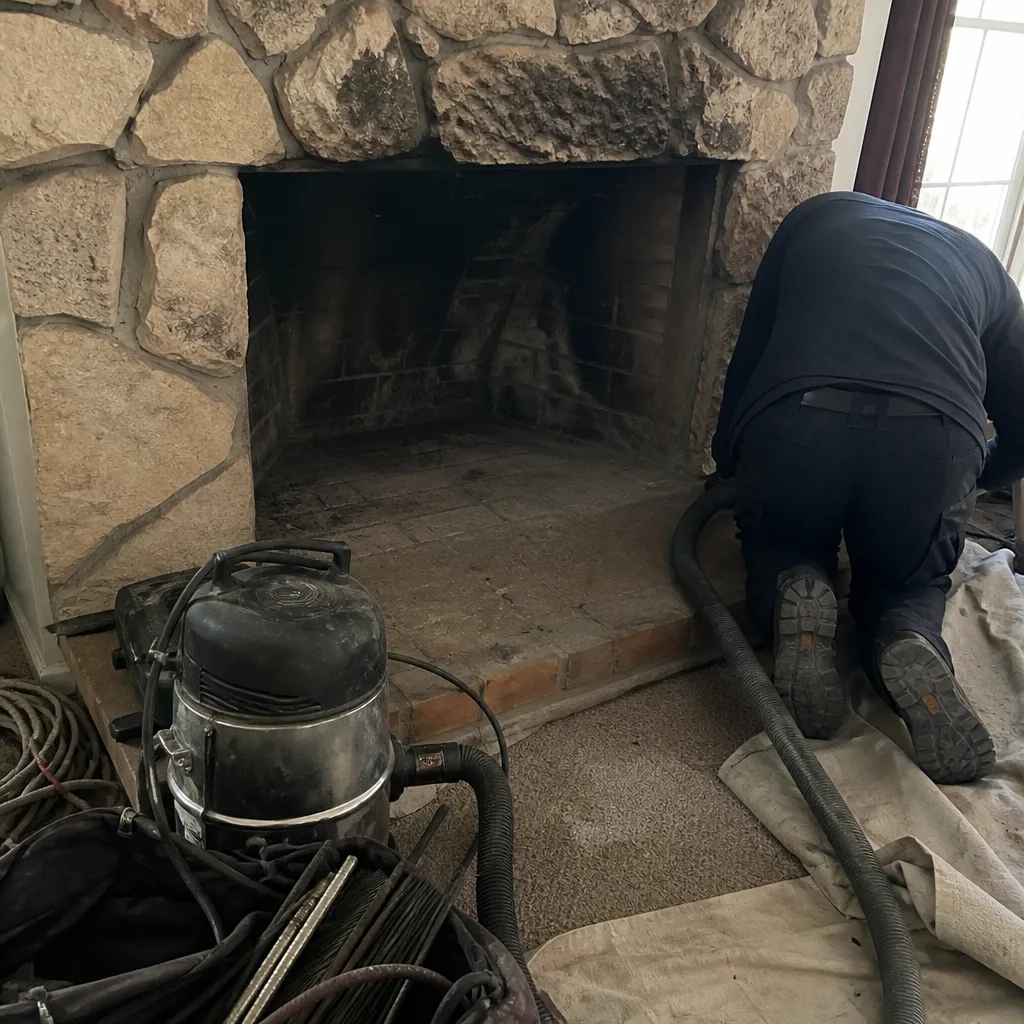 Before
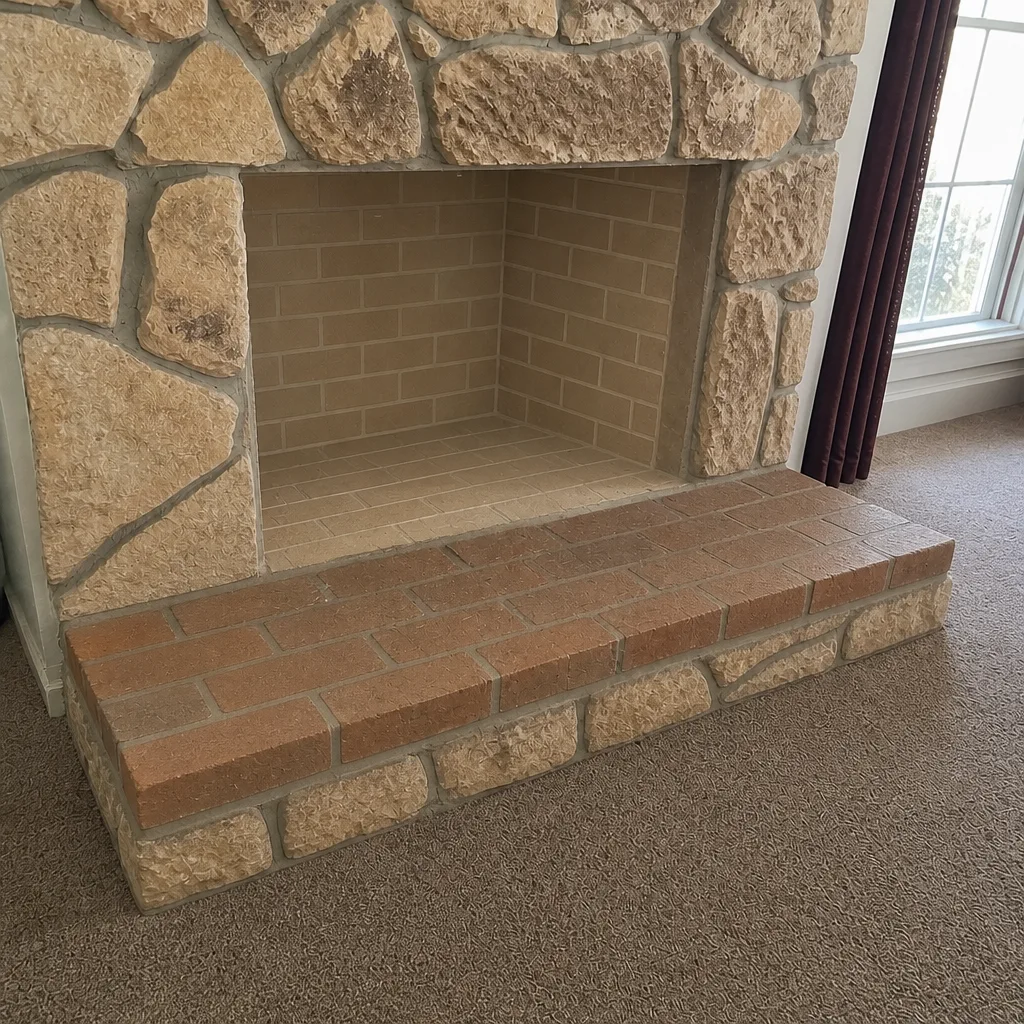 After
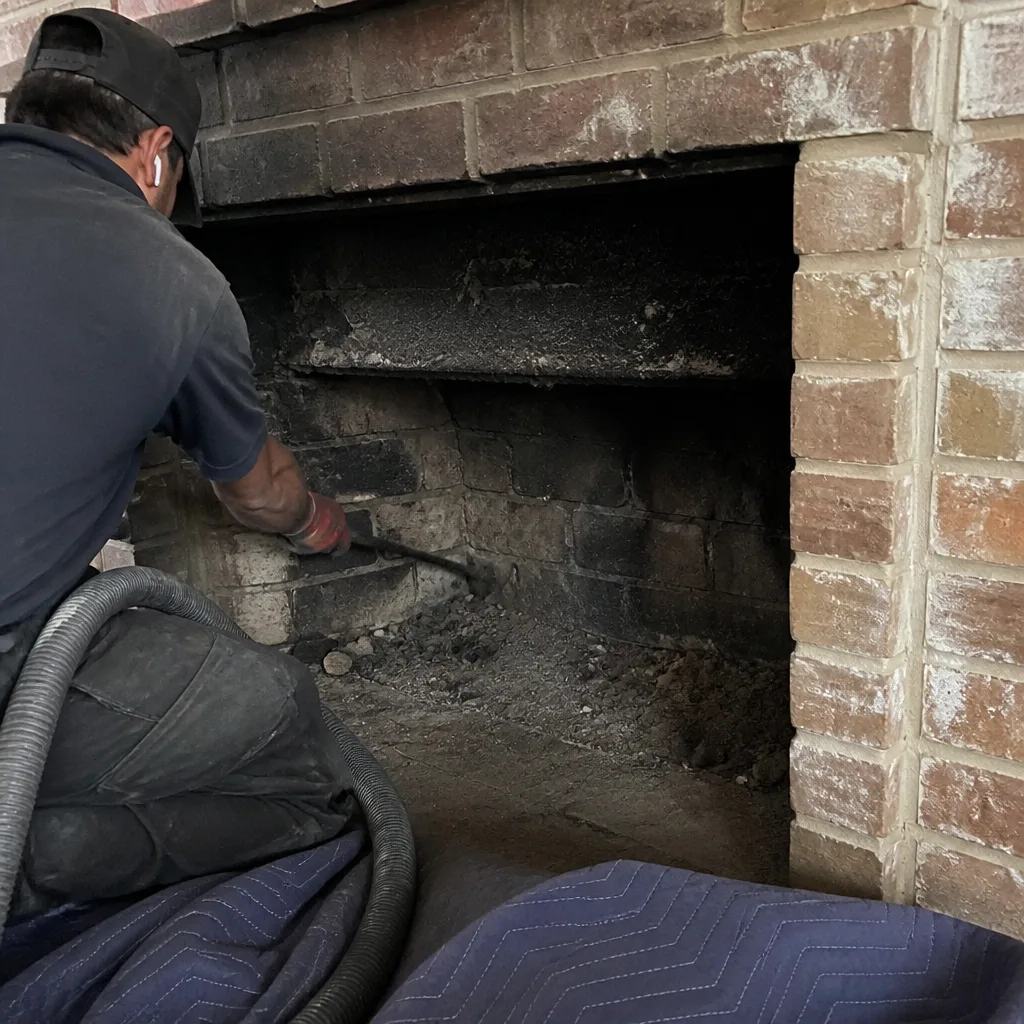 Before
 After
 Before
 After