
Last updated November 4, 2026
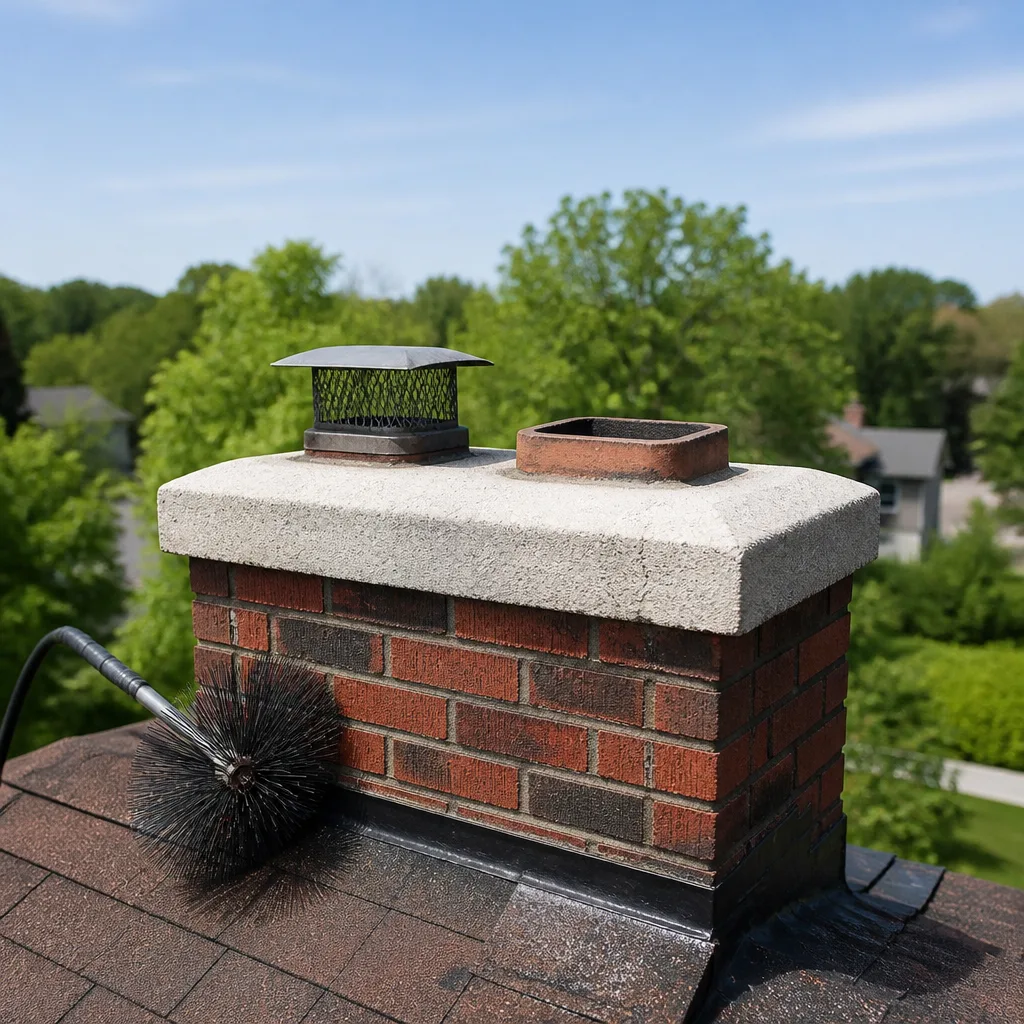 Sweep & inspection
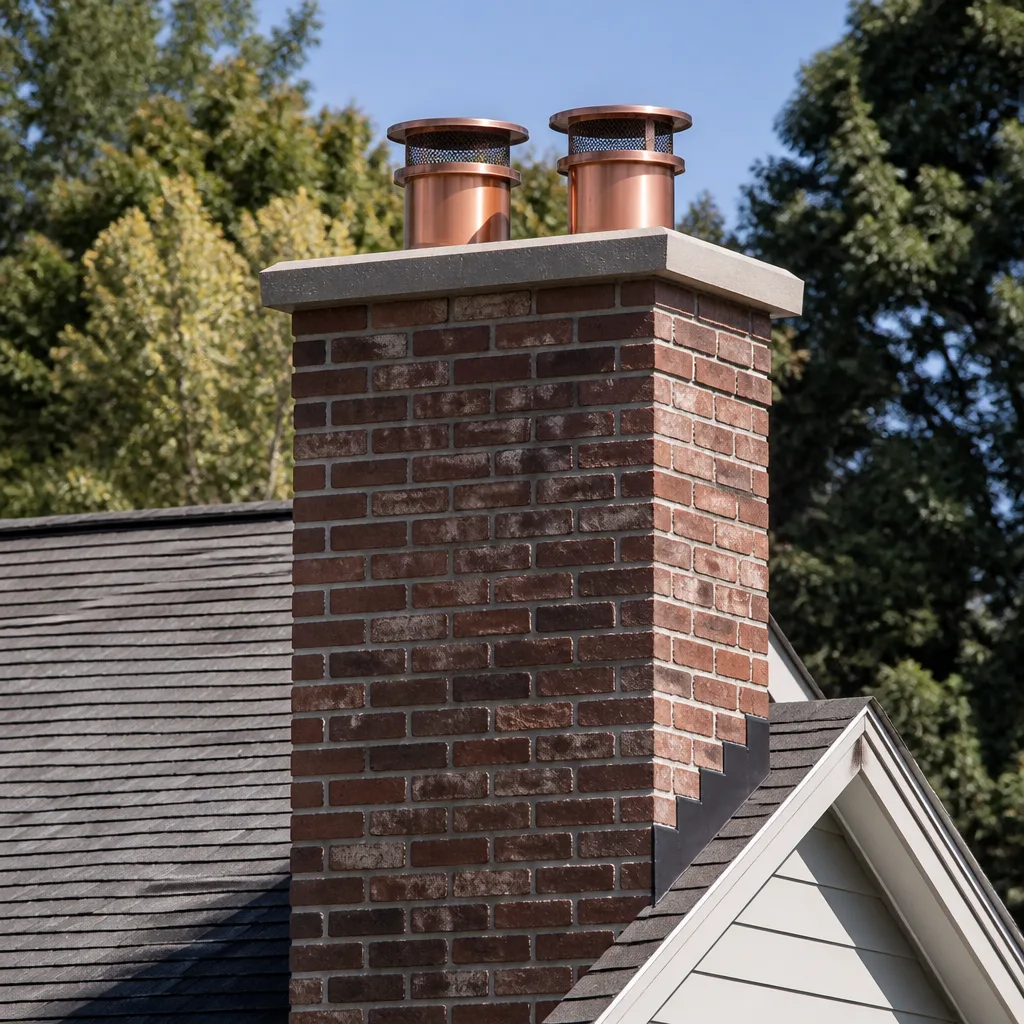 Caps & crowns
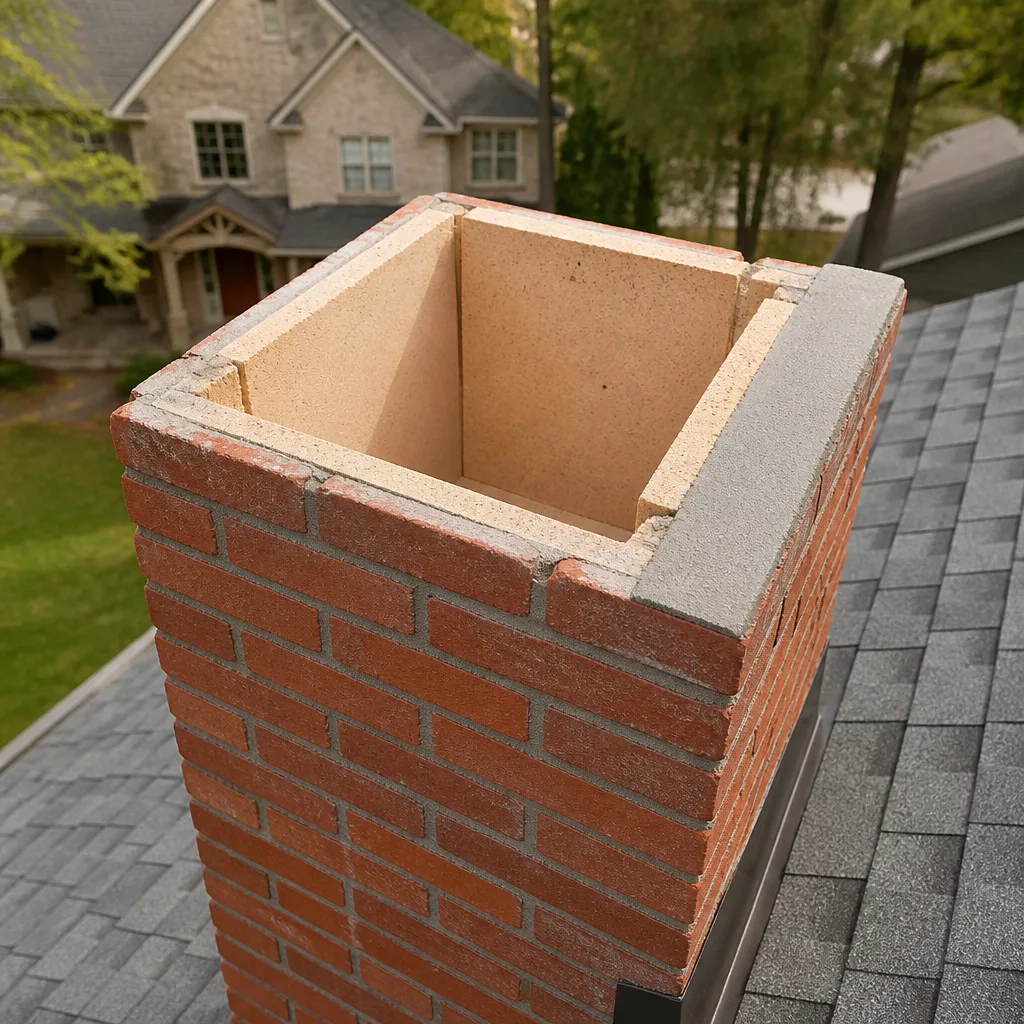 Flue relining
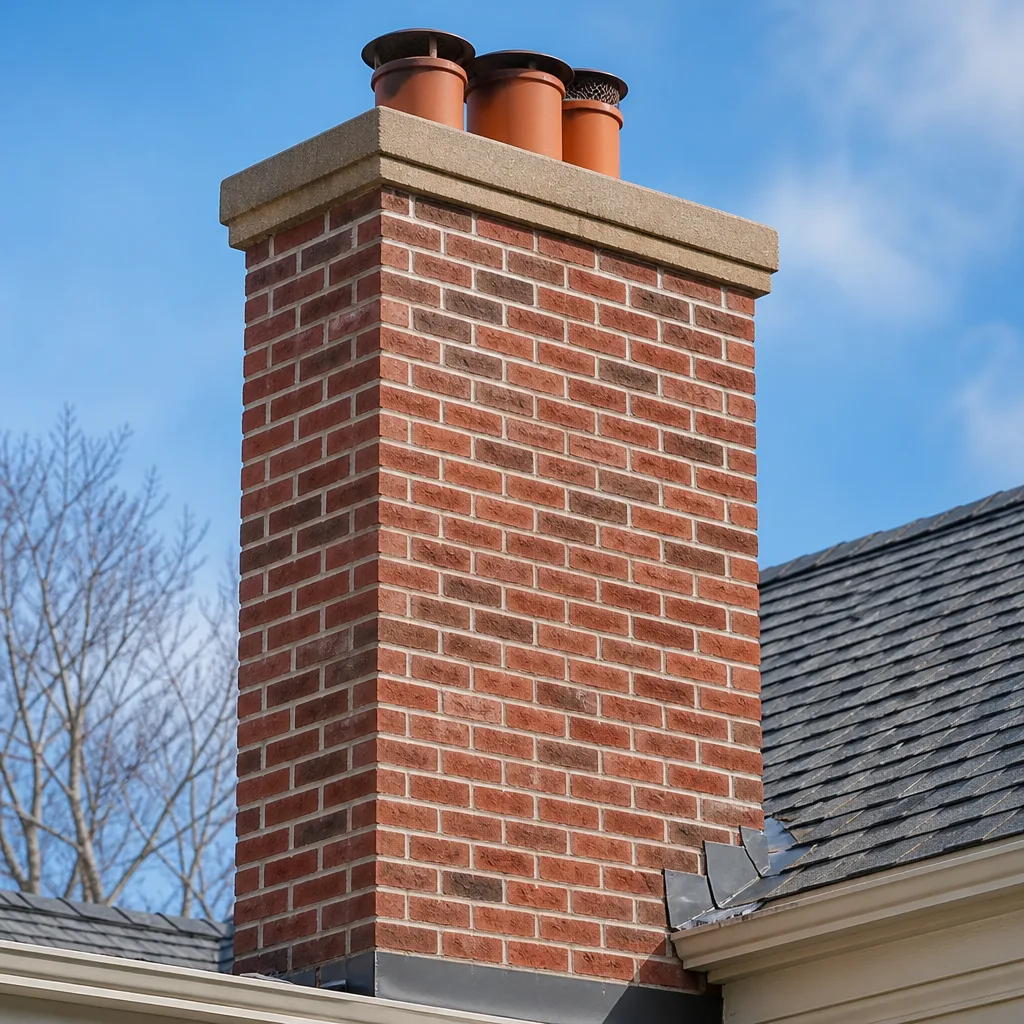 Masonry repair
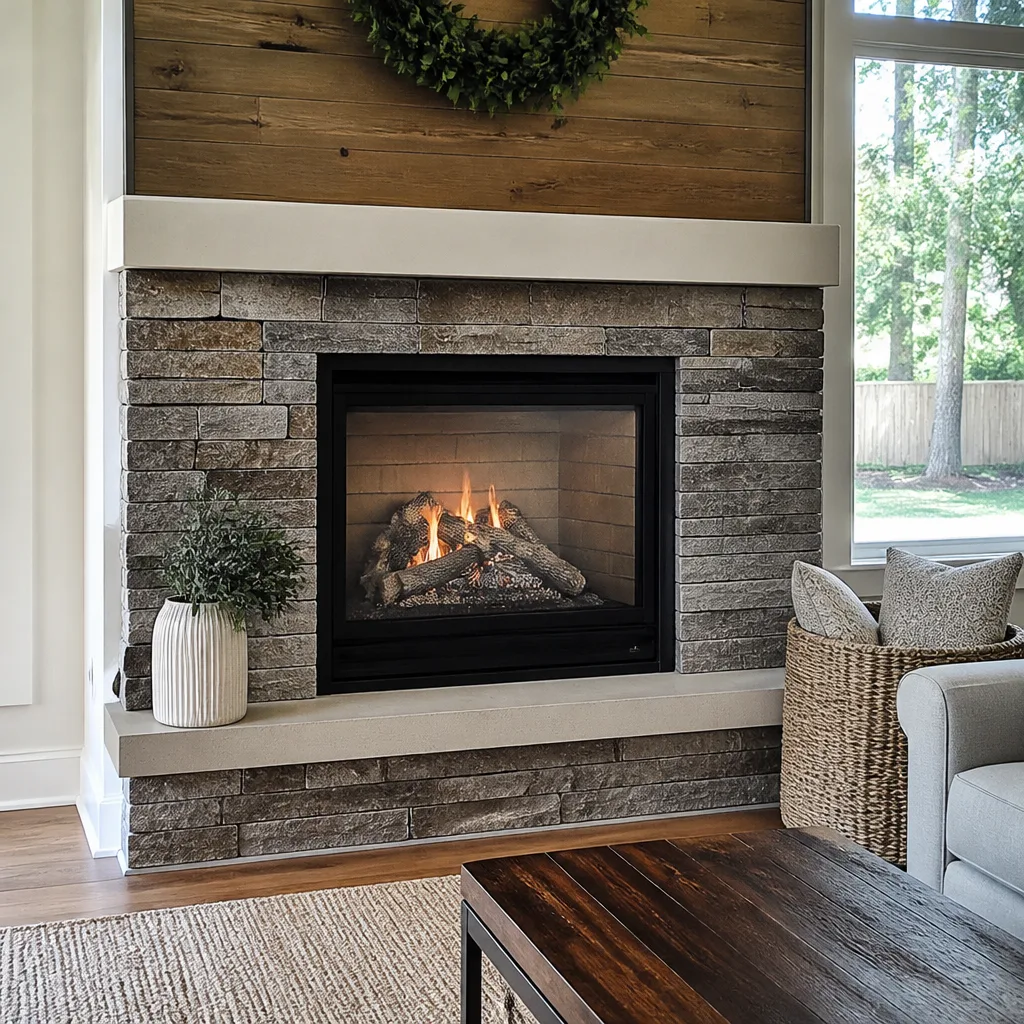 Gas fireplace service
Level 1 sweep and inspection to the NFPA 211 annual standard - flue, crown, cap, and flashing checked and photographed
Chimney sweep logs do not sweep chimneys. They loosen some creosote - which then falls where a brush and vacuum still have to collect it.
Chimney Cleaning Permits, Codes & Inspections in North Sacramento, CA: What You Need to Know
A routine chimney cleaning in North Sacramento rarely requires a permit. But a liner replacement done without one creates an unpermitted improvement that follows the property title and can surface during escrow, years after the work is done. Most homeowners never learn this until a real estate disclosure form asks a question they can’t answer honestly. This guide explains the actual line between maintenance and alteration under California code, what Sacramento County and the City of Sacramento enforce, how SMAQMD burn rules affect inspection timing, and how to verify a contractor is doing permitted work before it becomes your problem.
Quick Answer
Chimney cleaning is classified as maintenance in California and does not require a permit. Liner replacement, firebox rebuilds, and structural repairs qualify as alterations and typically require a permit through Sacramento County or the City of Sacramento. A Level 2 inspection is the standard triggered by real estate transactions, appliance changes, or suspected damage, and the report becomes part of the property’s paper trail.
Styles & brands we work with
- Sweep & inspection
- Caps & crowns
- Flue relining
- Masonry repair
- Gas fireplace service
Table of Contents
- Maintenance vs. Alteration: Where California Draws the Line
- Sacramento County and City Permit Thresholds for Chimney Work
- SMAQMD Burn Day Rules and How They Affect Inspection Timing
- Level 2 Inspections: When They’re Legally Required in California
- How to Verify a Contractor Is Pulling Permits for Liner Work
- What Building Code Actually Says About Chimney Cleaning
- Why North Sacramento’s Housing Stock Makes This Matter More
Maintenance vs. Alteration: Where California Draws the Line
California Residential Code treats routine chimney sweeping the same way it treats changing an air filter: maintenance, no permit required. The legal definition hinges on whether the work restores an existing component to its original function or changes it. Sweeping removes soot and creosote buildup but leaves the chimney system exactly as it was designed. Nothing structural is modified, nothing is relocated, and no listed product is being installed. That’s why a standard chimney sweep in North Sacramento can be booked without a trip to the building department.
What crosses into alteration is any work that replaces, relines, or rebuilds a component. A stainless liner is a listed product with a manufacturer-specified installation method. A firebox rebuild involves removing and replacing masonry units. Flashing repair that replaces the metal and reseals the penetration is technically a roof system repair, which most jurisdictions classify as maintenance, but if the flashing design is changed or the chimney chase is modified, that becomes alteration. In our experience, the smart approach is to have the contractor state in writing whether the proposed work is maintenance or alteration before anyone starts. That single sentence protects you from a disclosure problem later.
The other distinction Sacramento County enforces is between a “repair” and a “replacement.” Repairing a cracked flue tile with a surface-applied material is one classification. Pulling the entire clay liner and installing a new stainless system is another. The moment the original fire-list assembly is removed and replaced, the work is no longer repair. It’s an installation, and installations are where permits live.
Sacramento County and City Permit Thresholds for Chimney Work
Sacramento County and the City of Sacramento operate separate building departments, but both follow the same California Residential Code chapters for chimneys and fireplaces. The practical thresholds are similar. A sweep, a smoke test, a video inspection, and a cap replacement don’t trigger permits. A liner replacement does. A firebox rebuild does. A partial teardown of the chimney stack for repointing may trigger a review if more than a certain area of masonry is being removed, and both jurisdictions want a structural review if the firebox walls are being demolished beyond the firebrick face.
- Sweeping and inspection: No permit. This includes dryer vent cleaning, which falls under mechanical maintenance rather than chimney code.
- Cap and crown replacement: No permit in most cases, provided the flue opening dimensions don’t change.
- Flashing replacement: No permit if it’s a like-for-like replacement. If the chase or cricket is redesigned, permit review is possible.
- Liner installation or replacement: Permit required. Both jurisdictions classify this under chimney and venting alterations.
- Firebox rebuild: Permit required. The firebox is part of the fire-resistive assembly, and modifying it changes the listed construction.
- Partial chimney demolition or height extension: Permit required. This includes structural changes to the chase or stack.
For North Sacramento homeowners, the practical takeaway is simple. If a contractor says a liner job “doesn’t need a permit” in Sacramento, they’re either uninformed or avoiding the cost. The permit fee for a typical residential liner replacement is modest compared to the liner itself. What the contractor avoids is the inspection, not a large bill. And the inspection is the only thing standing between you and an unpermitted disclosure.
SMAQMD Burn Day Rules and How They Affect Inspection Timing
The Sacramento Metropolitan Air Quality Management District regulates when solid-fuel devices may be operated in Sacramento County. From November through February, residential wood burning is restricted on “no burn” days unless the household has a registered exemption. These rules don’t change when a chimney may be cleaned or inspected, but they do change when you can test a repaired fireplace with a live fire.
If a liner replacement or firebox rebuild is completed during the restricted season and the contractor wants to burn a test fire, that test fire has to happen on a designated burn day. A gas appliance test doesn’t face the same restriction, since the SMAQMD program targets solid fuel. For a wood-burning fireplace in North Sacramento, that means a repair completed in January may sit for a short period before the live-fire test confirms everything is drafting correctly.
Cleaning itself is unaffected. Sweeps are mechanical operations that don’t emit into the atmosphere and aren’t governed by burn-day status. The practical overlap is timing. A homeowner who wants the full sweep plus repair plus test-fire sequence in the winter may need to schedule around the air district calendar. We plan for this in North Sacramento, and most established chimney companies in the region do the same. It’s also worth checking the SMAQMD website before a winter repair if you want the test fire to happen as soon as the work is done.
Level 2 Inspections: When They’re Legally Required in California
A Level 2 inspection is the middle tier of chimney inspection defined by the National Fire Protection Association standard 211. It includes everything in a Level 1 sweep plus inspection of accessible attics, crawl spaces, and basements, plus a video scan of the flue interior. In California, Level 2 is the legally common standard in three specific situations: a property transfer, a change to the connected appliance or fuel type, and any event that may have damaged the chimney, such as an earthquake, a chimney fire, or storm impact.
For real estate transactions, the Level 2 inspection report becomes part of the disclosure package. A report that documents liner damage shifts the negotiation. A report that documents an unpermitted liner replacement creates a legal issue, because the seller must now disclose work that wasn’t permitted at the time. In North Sacramento, where the housing stock skews older and family transfers are common, a missing permit from a 1990s-era liner job still matters at sale. The inspector’s report doesn’t verify permits. It documents what exists. The permit question is separate, and title companies increasingly check unpermitted work records against the county’s permit history.
After a chimney fire, the Level 2 inspection is where you find out whether the flue survived. A creosote fire can crack flue tiles, warp a metal liner, or compromise the mortar joints. The video scan shows what a visual check can’t. That’s also the point where a Laurel Chimney Sweep inspection becomes more than a cleaning, because the camera tells us what the chimney actually needs, not what it appears to need from the firebox.
How to Verify a Contractor Is Pulling Permits for Liner Work
Most unpermitted liner work in Sacramento County happens because the contractor wants a cheaper bid, not because the homeowner asked for one. The homeowner often doesn’t know a permit was required until the title search surfaces it. Here’s how to check before the work begins.
- Ask the contractor to state in writing whether the job is a permitted alteration or a non-permitted repair. A licensed contractor who answers “permit required” is being honest. One who hesitates or calls it “just a repair” is telling you something.
- Ask for the permit number before the work starts. In Sacramento County and the City of Sacramento, a permit is pulled and a number is issued before the job begins, not after. If the contractor says they’ll “handle it later,” the work is unpermitted.
- Check the permit online. Both Sacramento County and the City of Sacramento have online permit lookup tools. The address and a date range are usually enough to see the permit status.
- Ask whether the contractor will schedule the inspection, not just the installation. A real permit requires a passed inspection. The liner is visible on camera; the inspector should be able to see it before the chimney is closed up.
- Get the final inspection sign-off in writing. That document is what you’d hand a future buyer to prove the work was done correctly and legally.
For liner work, Laurel Chimney Sweep installs DuraFlex flexible liner systems, which are listed products with manufacturer-specified installation requirements. The permit process exists to confirm the listed system was installed to the listing. When a contractor skips the permit, you lose that verification, and you lose the document that answers the real estate disclosure question.
What Building Code Actually Says About Chimney Cleaning
Chimney cleaning is governed by maintenance requirements in the California Residential Code and referenced NFPA 211, not by a permit process. The code says chimneys, fireplaces, and vents must be maintained in a safe condition. NFPA 211 says chimneys should be inspected at least once a year and cleaned as often as necessary to prevent dangerous creosote accumulation. The trigger for a cleaning isn’t a calendar date, it’s the thickness of the creosote layer or the presence of an obstruction.
For a wood-burning fireplace in North Sacramento, the cleaning frequency depends on how often the fireplace burns and what’s being burned. A fireplace used nightly through a winter deserves at least annual cleaning, and more often if the wood isn’t fully seasoned. A gas fireplace produces different deposits and typically needs less frequent sweeping, though the vents still require inspection. The code doesn’t dictate a fixed schedule because the condition of the flue drives the need. That’s why a visual check with a camera is part of any responsible cleaning visit.
Code also requires the chimney cap and termination to be in place to prevent rain entry, animal entry, and spark escape. In North Sacramento, missing caps are common on older homes, and the fix is usually a Galco or Famco cap, installed to specifications so the flue opening and draft remain correct. These are manufacturer-listed products sized for the specific flue dimensions, not afterthought hardware.
Why North Sacramento’s Housing Stock Makes This Matter More
North Sacramento’s residential neighborhoods include a large share of post-war and mid-century homes. A house built in 1955 or 1965 typically has a masonry chimney with a clay tile liner, and that liner has now been in service for sixty or more years. Clay liners crack from thermal stress over decades of heating and cooling cycles. When they crack, combustion gases can reach the surrounding masonry and, eventually, the combustible framing. This isn’t a niche concern; it’s the single most common serious defect we find during inspections in this part of the city.
Homes from this era also changed hands at lower price points for years, which meant repeated sales with minimal chimney maintenance. A homeowner may be the third or fourth owner of a house where the liner was never inspected since the original construction. When a Level 2 inspection finally happens, the questions about retrofit work and permits become unavoidable. For a homeowner selling in North Sacramento, a pre-listing chimney inspection can identify a liner problem before a buyer’s inspector does, and before it becomes a negotiation concession.
The other local factor is the age of the housing stock combined with a mild climate. North Sacramento winters are cool enough to use a fireplace regularly but not cold enough to force homeowners into annual maintenance the way a harsh winter climate does. A fireplace can sit unused for months and then be lit for the first time on a December evening. That pattern allows creosote to build unnoticed, and it’s the pattern that makes a camera inspection more valuable than a visual-only look.
Common Mistakes to Avoid
- Assuming cleaning is the same as an inspection. A sweep removes deposits but doesn’t automatically include a video scan. A Level 1 sweep in North Sacramento won’t show you a cracked liner; a Level 2 inspection will.
- Trusting that a cheap liner job was permitted because the contractor said so. Verify the permit number before work begins. If you can’t find it in the county records, the work wasn’t permitted, and the disclosure problem is yours.
- Waiting for a real estate sale to learn about unpermitted work. A seller in Sacramento County must disclose unpermitted modifications. Discovering it early costs less than discovering it at escrow.
- Burning on a no-burn day. SMAQMD restrictions apply in North Sacramento. A test fire after a repair needs to follow the air district calendar, not just the contractor’s schedule.
- Replacing a liner with a product from a big-box store rather than a listed trade brand. Liners installed by professionals are typically products like DuraFlex, which carry specific installation listings. A generic liner installed without manufacturer documentation creates a code-compliance question even if the rest of the job is proper.
- Ignoring the flashing. A roof leak at the chimney is often mistaken for a shingle problem. Flashing replacement is a repair that fits the maintenance category, but leaving it leaks water into the chimney chase and the house.
- Hiring a contractor who won’t put the maintenance-versus-alteration classification in writing. If a contractor won’t state in a written estimate whether the work is a permit-required alteration, walk away.
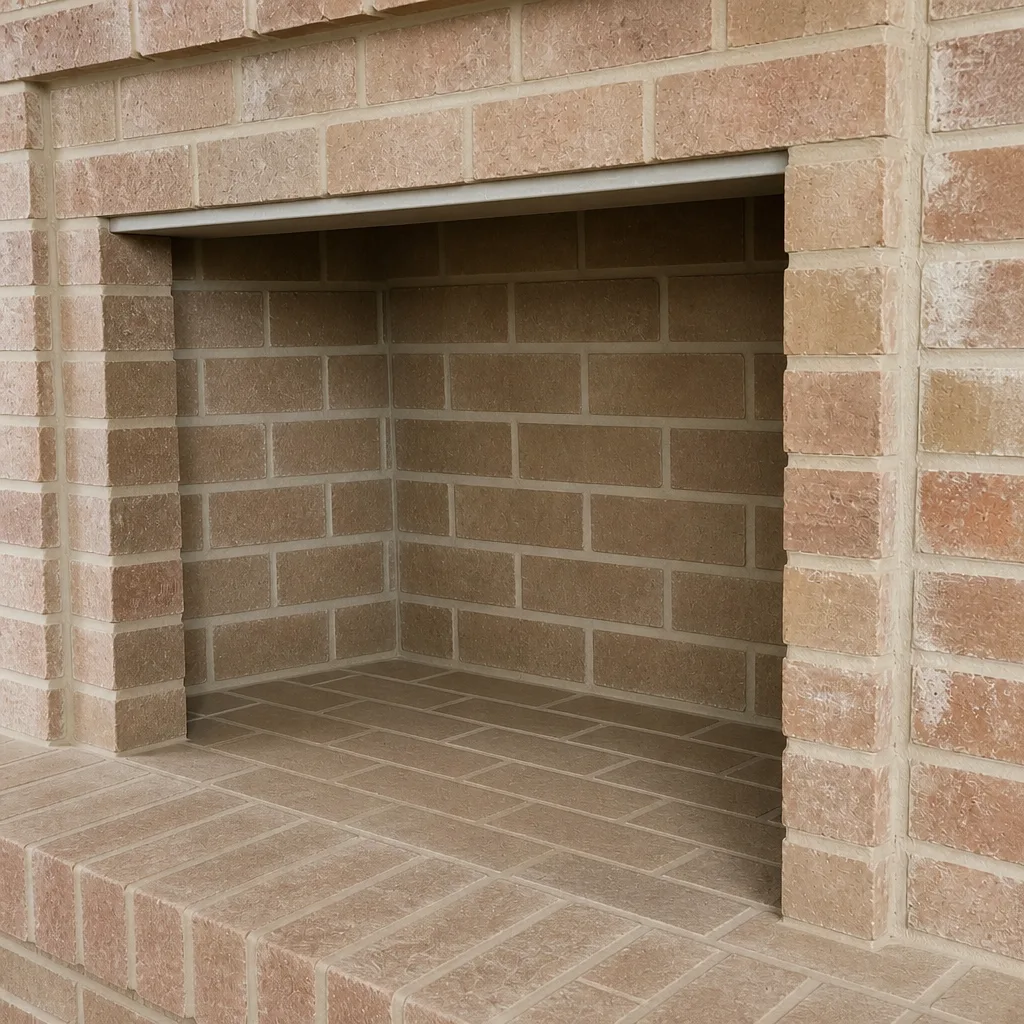
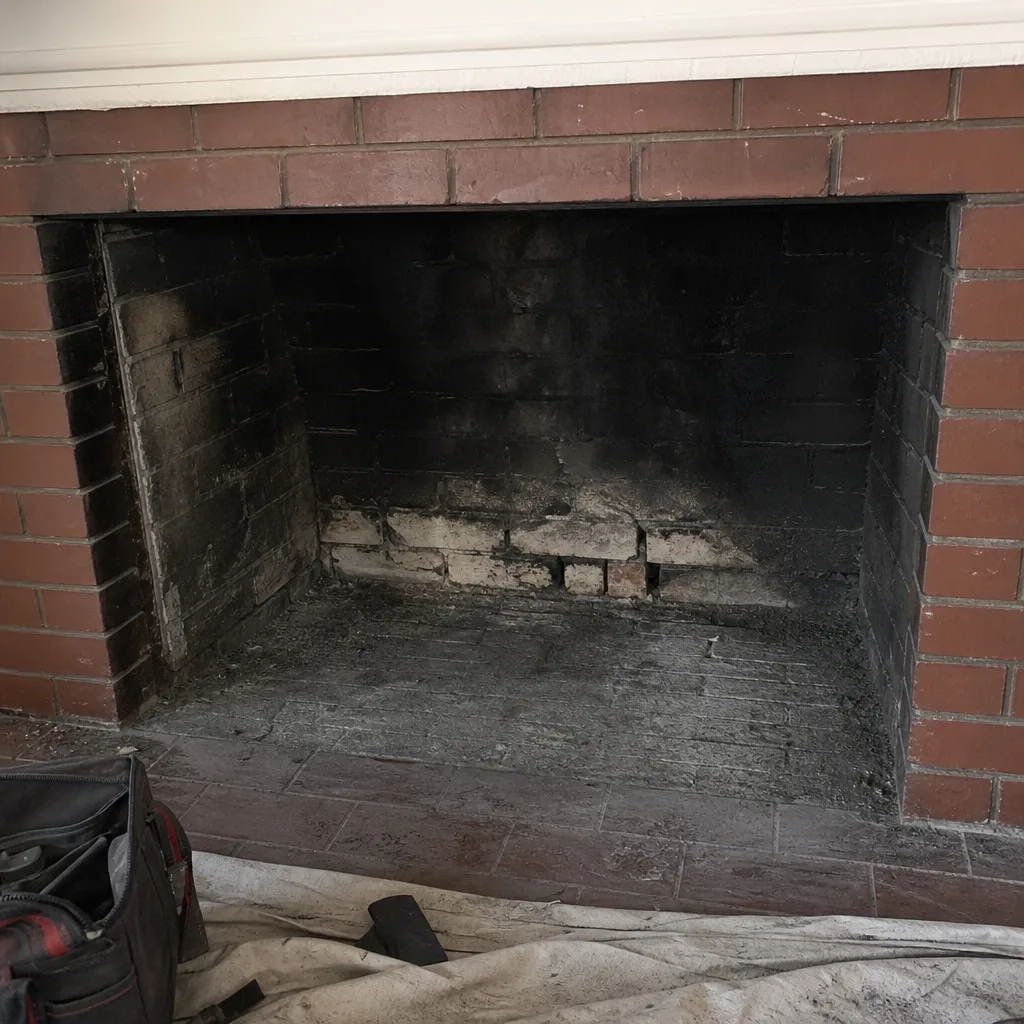
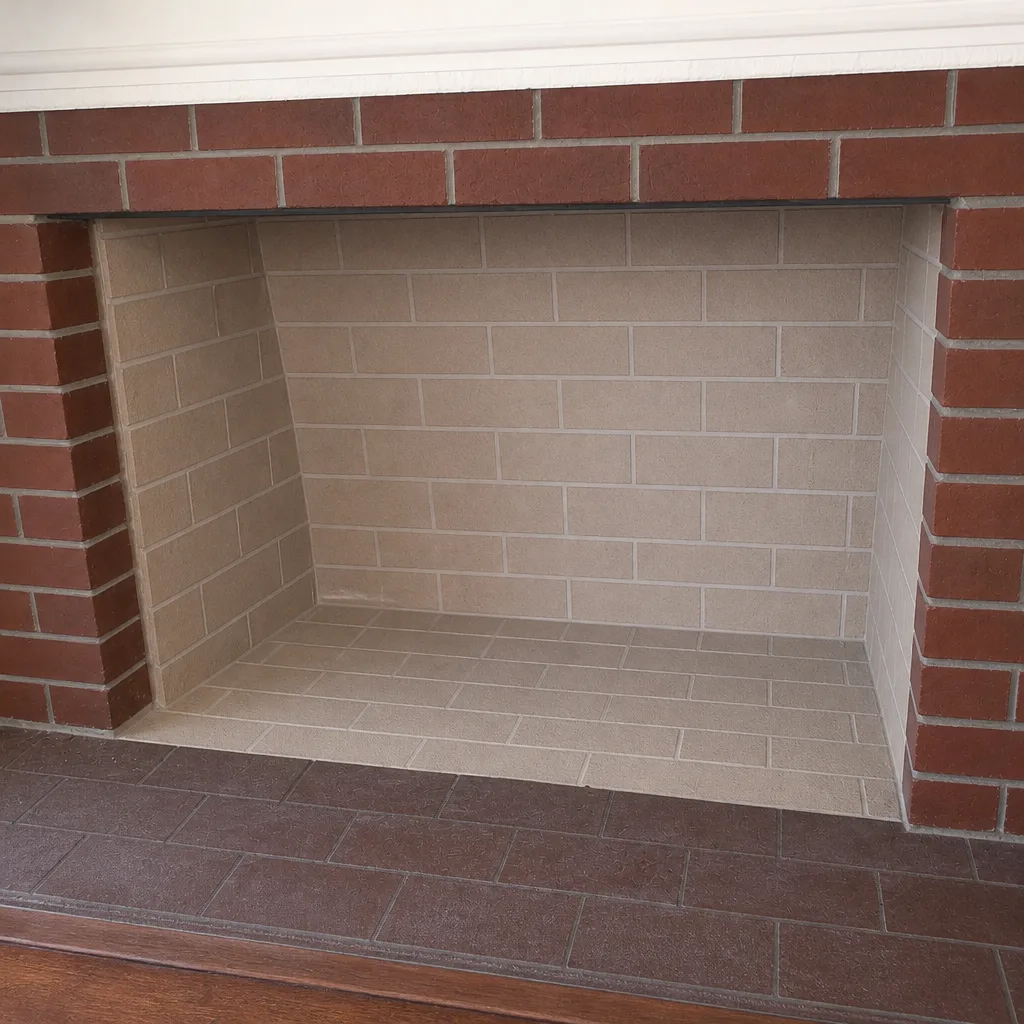
See the difference
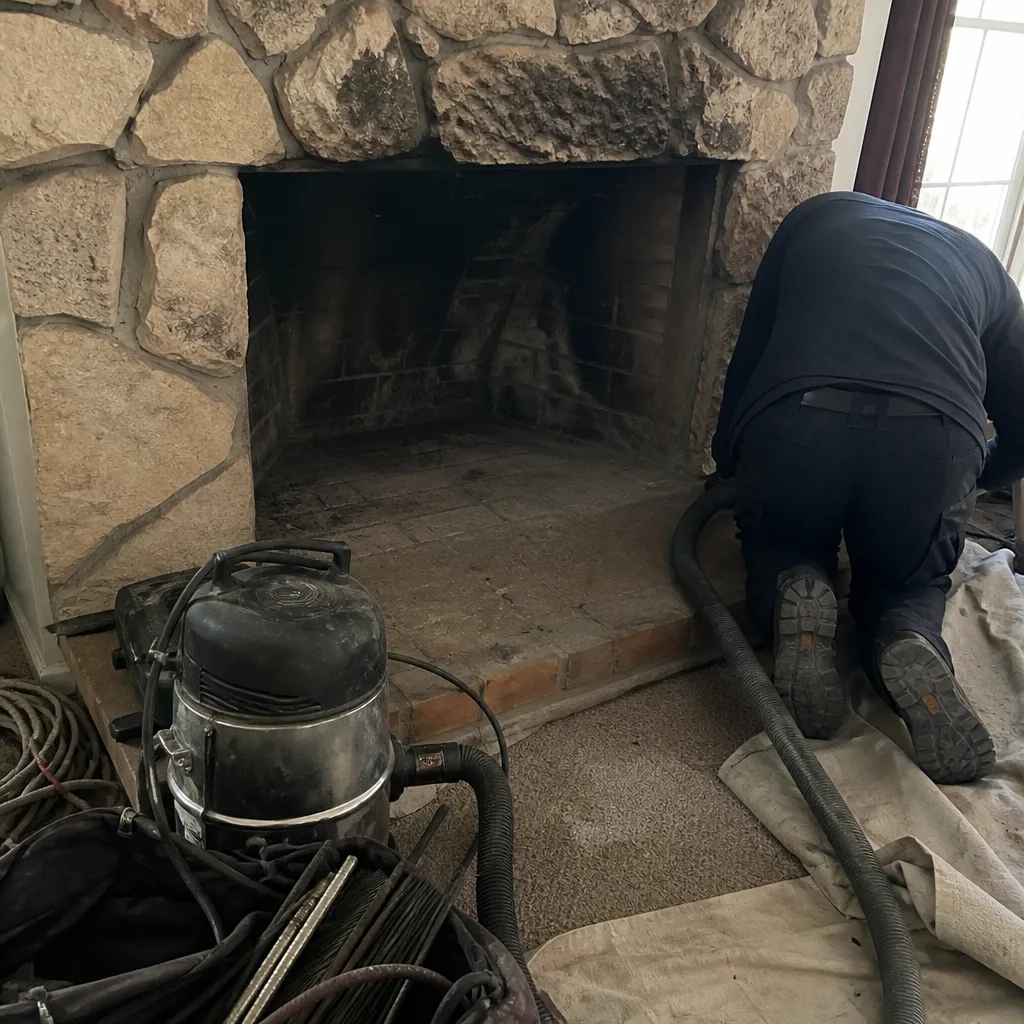 Before
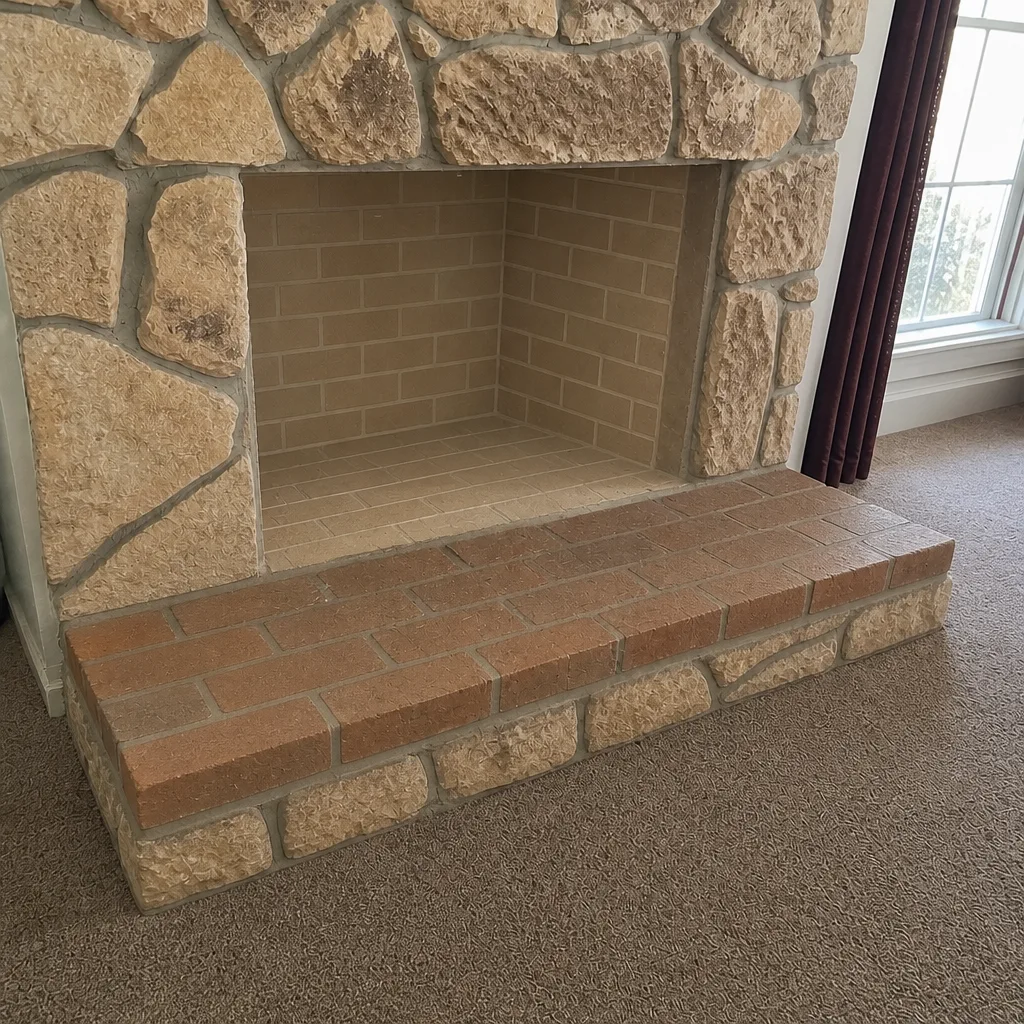 After
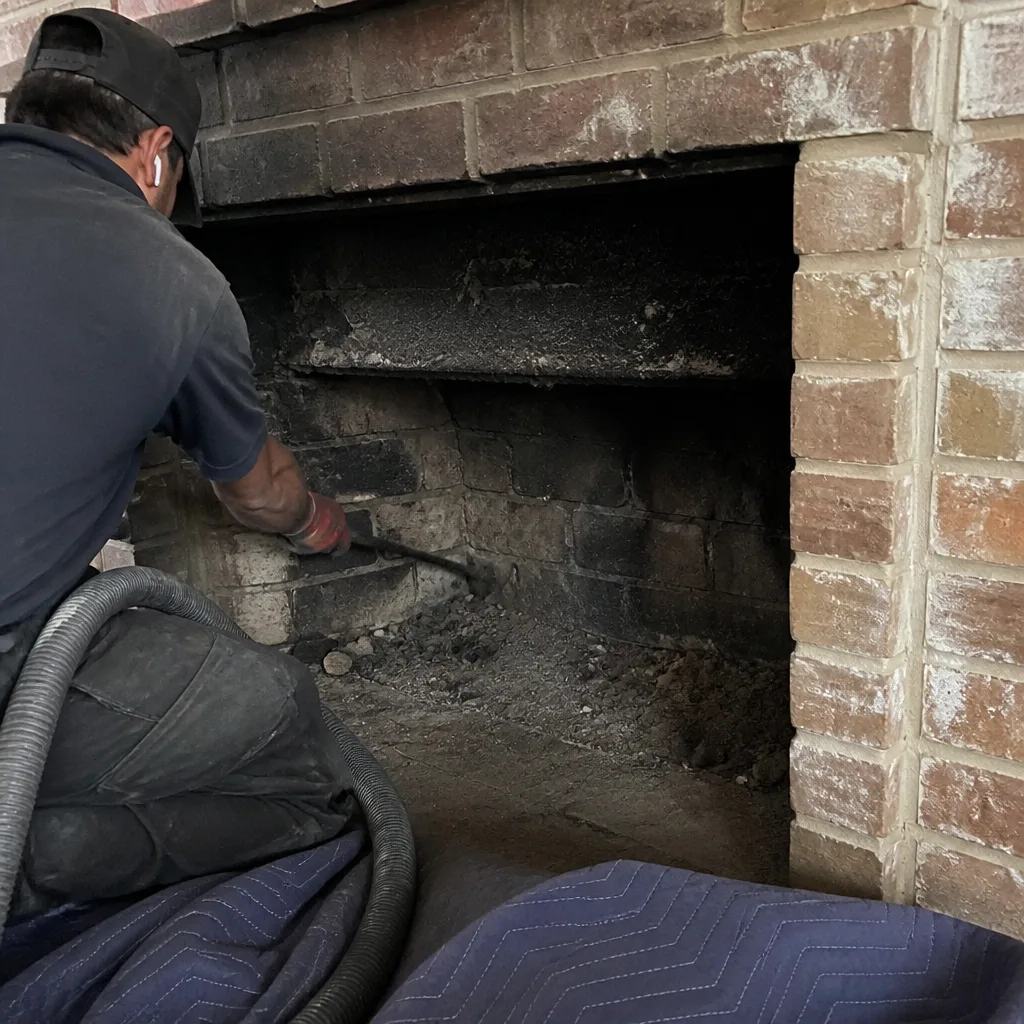 Before
 After
 Before
 After
When to Call a Professional
A permit question is never the first thing a homeowner thinks about when a chimney isn’t working right. But the moments when you should call a professional are also the moments when permit questions matter. Call when a fireplace is producing smoke inside the house rather than up the flue. Call when a chimney fire has occurred, even a small one. Call when a real estate transaction is coming and a chimney hasn’t been inspected in years. Call when a liner is visibly cracked, spalling, or missing sections. And call before you burn in a home you’ve just purchased, because the previous owner’s maintenance history is often unknown. In these situations, the right professional will document what they find with camera evidence and tell you plainly whether the work is a permitted alteration or a maintenance item. Laurel Chimney Sweep offers free estimates in North Sacramento, call (866) 282-7519.
Frequently Asked Questions
No, chimney cleaning is classified as maintenance under the California Residential Code and requires no permit in either Sacramento County or the City of Sacramento. The work is mechanical, doesn’t modify any component, and leaves the chimney system unchanged.
Yes, a liner replacement is an alteration, not maintenance, and requires a permit. The permit process verifies that the listed liner system was installed according to the manufacturer’s installation requirements, and the final inspection provides documentation you’ll need when selling the home.
Search the online permit records for Sacramento County or the City of Sacramento using your address. A permit number is issued before work begins, so if no permit appears for the address during the construction window, the work was unpermitted. For liner work in North Sacramento, ask for the permit number before the job starts and the final inspection sign-off when it’s done.
A Level 2 inspection is required when a property is sold or transferred, when the connected appliance or fuel type changes, and after any event that may have damaged the chimney, including an earthquake, storm impact, or chimney fire. The video scan portion is what distinguishes it from a standard sweep.
No, cleaning is not restricted by burn day rules since it doesn’t emit into the atmosphere. The restriction applies when a contractor needs to light a test fire in a wood-burning fireplace during the restricted season from November through February, in which case the test fire should be scheduled on a designated burn day.
You now own a property with an unpermitted improvement that must be disclosed when you sell. The practical option is to have the liner inspected by a qualified chimney professional to document its current condition, then decide whether to leave it in place with documentation or have the work re-permitted and inspected if the jurisdiction allows. Call (866) 282-7519 for an exact assessment and estimate for the work.
The Bottom Line
Chimney cleaning in North Sacramento doesn’t need a permit. Liner replacement, firebox rebuilds, and structural alterations do, and skipping the permit creates a title problem that surfaces at the worst possible time. A Level 2 inspection is the standard for real estate transactions and damage events, and the report becomes part of the property record. SMAQMD burn rules don’t affect cleaning but can delay a live-fire test during winter months. The most important document in any liner job is the permit number, issued before work begins and verified by a final inspection. Ask for it, check it, and keep it. For a free estimate in North Sacramento, call (866) 282-7519. We answer 24/7. Fast dispatch from 7am to 7pm, Sunday through Friday.
Written by the team at Laurel Chimney Sweep, serving North Sacramento since 2013.