
Last updated November 4, 2026
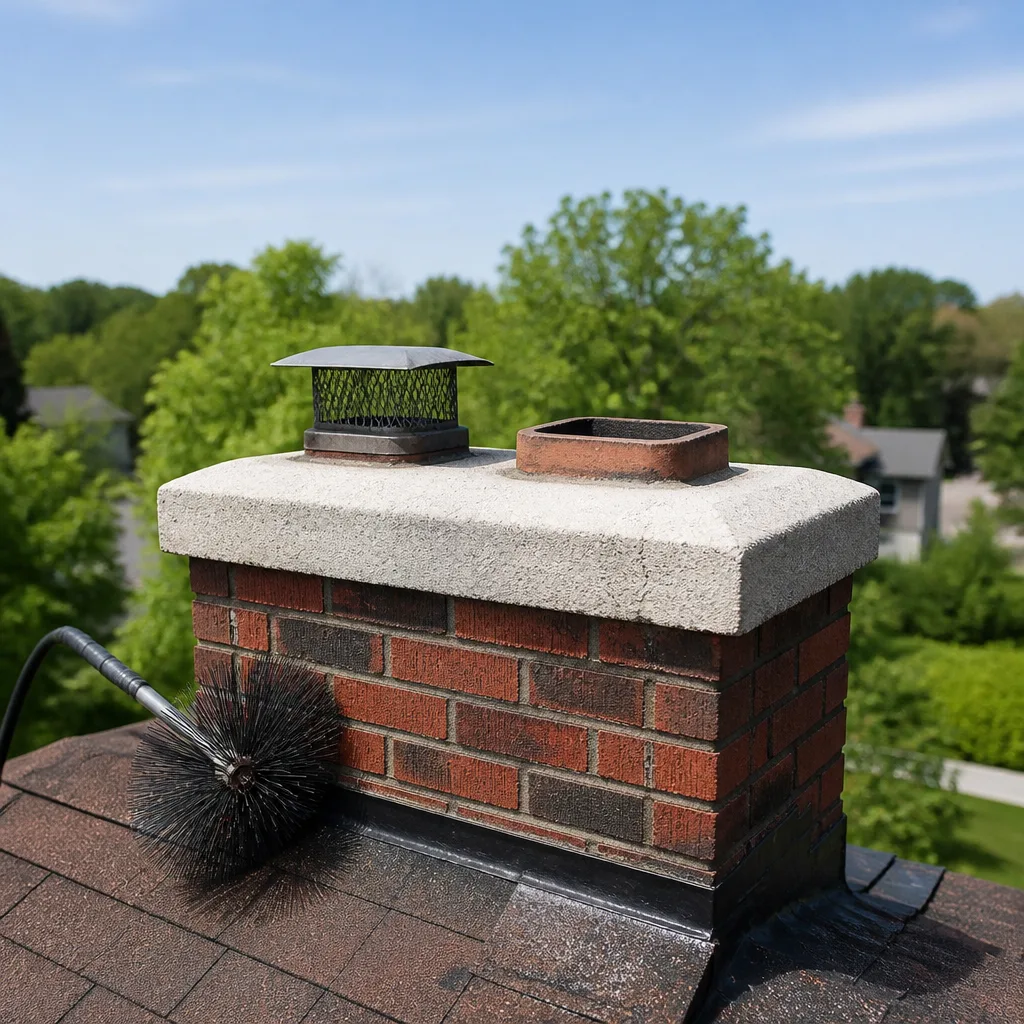 Sweep & inspection
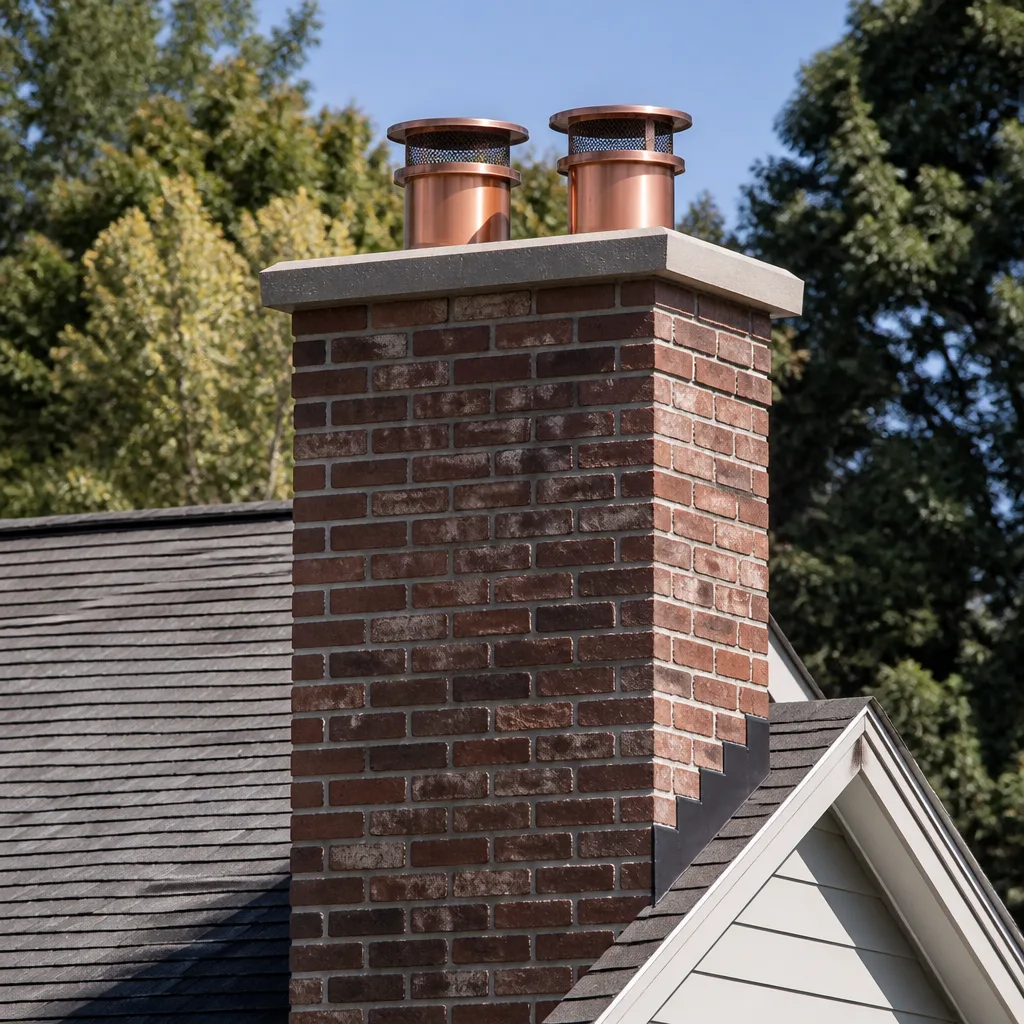 Caps & crowns
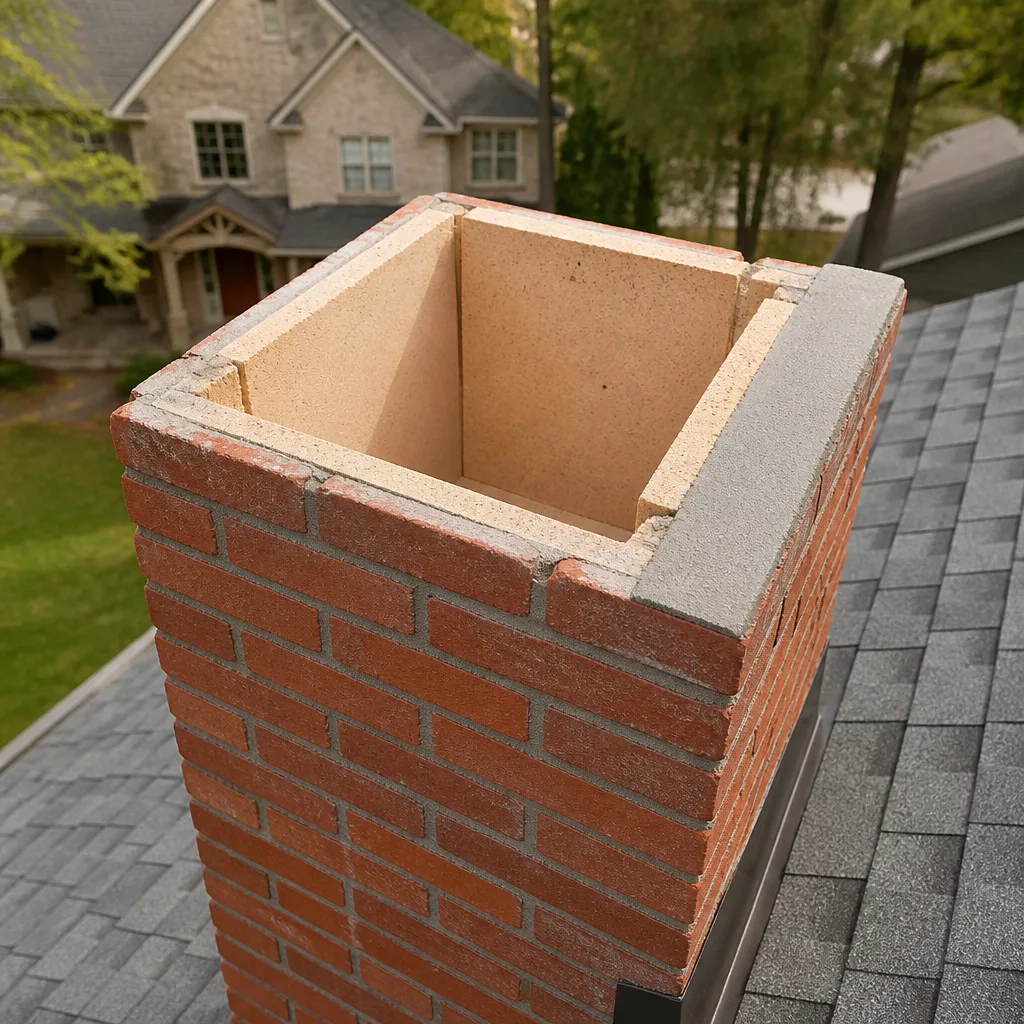 Flue relining
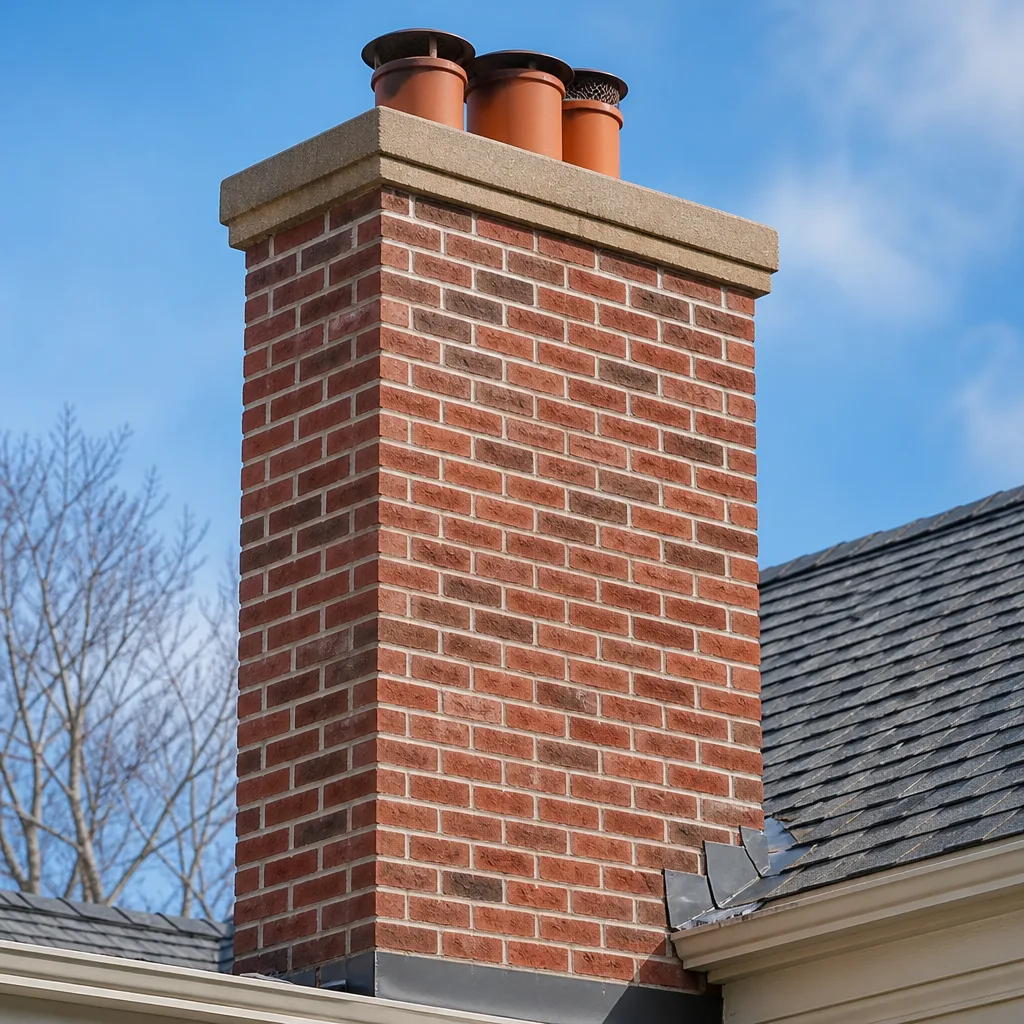 Masonry repair
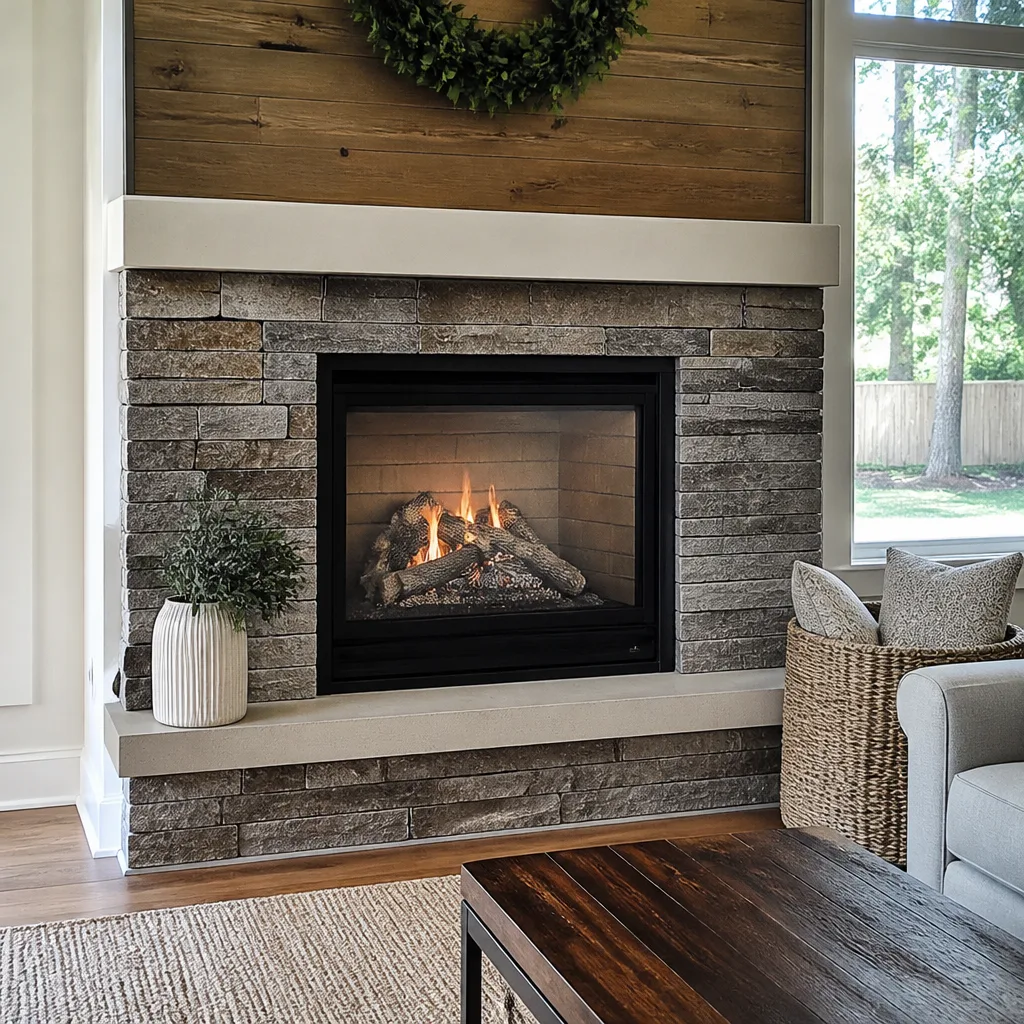 Gas fireplace service
Level 1 sweep and inspection to the NFPA 211 annual standard - flue, crown, cap, and flashing checked and photographed
Chimney sweep logs do not sweep chimneys. They loosen some creosote - which then falls where a brush and vacuum still have to collect it.
The Complete Guide to Chimney Cleaning in North Sacramento
Most North Sacramento homeowners burn fewer cords of wood than their Sierra Nevada neighbors, and that’s actually what makes their chimneys more dangerous, not less. Short, low-temperature fires are the fastest path to Stage 2 glazed creosote, the tar-like deposit that professional sweeps in our area deal with more often than any other type of buildup. This guide walks through what actually happens inside a flue in the Sacramento Valley climate, why the inspection level matters as much as the brushing, and what a thorough cleaning should include when you hire someone. You’ll also learn how valley air quality rules shape when you should schedule service, and what separates a real diagnostic visit from a sweep-and-go that leaves problems behind.
Styles & brands we work with
- Sweep & inspection
- Caps & crowns
- Flue relining
- Masonry repair
- Gas fireplace service
Quick Answer
Chimney cleaning in North Sacramento involves a mechanical brushing of the flue to remove creosote and soot, paired with a visual inspection that looks for cracks, gaps, and blockages throughout the system. A thorough chimney sweep should also include a camera scan of the flue interior, smoke chamber and smoke shelf inspection, and a report on liner condition. In North Sacramento’s mild climate, the most common problem we find isn’t heavy soot, it’s the shiny, hardened creosote that forms from low-heat fires, and that’s not something a basic brush-and-go visits addresses properly.
Table of Contents
- Why North Sacramento’s Mild Climate Changes What Builds Up in Your Flue
- What a Complete Chimney Cleaning Actually Includes
- Understanding Level 1, 2, and 3 Chimney Inspections
- The Three Stages of Creosote and How to Recognize Them
- How Sacramento Valley Air Quality Rules Affect Your Fireplace Schedule
- Why Rotary Systems and Professional-Grade Tools Matter for Glazed Deposits
- The Honest Truth About DIY Chimney Cleaning in North Sacramento
- When to Call a Professional
- Frequently Asked Questions
- The Bottom Line
Why North Sacramento’s Mild Climate Changes What Builds Up in Your Flue
North Sacramento sits in the southern Sacramento Valley, where winter temperatures typically hover in the 40s and 50s rather than dropping below freezing for weeks at a time. Homeowners here run fires for ambiance and supplemental heat, often for two or three hours on a chilly evening, then let the fire die down. That pattern produces exactly the wrong combustion conditions for a clean chimney.
When a fire burns hot and steady, creosote exits the flue as vapor. But when you build a smaller fire and damp it down to stretch the wood, or when you close the glass doors and reduce the air intake, the smoke cools before it clears the chimney. That cooled smoke condenses on the flue walls as creosote. The deposits build layer by layer, and over the course of a North Sacramento winter with maybe thirty or forty individual fires, you end up with a coating that’s dense and sticky rather than dusty and easy to brush away.
The specific risk pattern here looks like this:
- Cooler fires produce incomplete combustion, which leaves behind unburned wood particles that bind with moisture into creosote.
- Mild outdoor temperatures mean the flue itself starts cold and stays cooler than it would in a harsher winter climate, giving smoke more surface area to condense on.
- Infrequent use lets each deposit harden before the next fire adds another layer, gradually creating the dense, shiny surface that resists ordinary brushing.
In our experience inspecting flues throughout North Sacramento neighborhoods, from Northgate to Del Paso Heights and over toward Woodlake, we see the same pattern repeat: homes that burn one or two cords a season often have glazed Stage 2 deposits, while cabins burning five times as much wood in the mountains sometimes have cleaner flues simply because their fires run hot and long. This isn’t a reason to burn less. It’s a reason to have the flue inspected by someone who understands what low-use buildup looks like and knows how to remove it without damaging the liner.
What a Complete Chimney Cleaning Actually Includes
The phrase “chimney cleaning” gets used loosely, and some companies mean little more than running a brush up and down the flue and leaving. A full-service visit should address every surface that smoke touches, because creosote gathers in the corners where sweeping alone doesn’t reach. Here’s what a complete cleaning in North Sacramento should cover, in the order a thorough technician works through it:
- Protection and setup: Drop cloths at the hearth, a high-powered vacuum running with a HEPA filter, and the damper area sealed so soot doesn’t enter the living space.
- Foundation inspection: The technician checks the firebox floor, the firebrick walls, and the damper assembly before any sweeping begins, looking for cracks, rust, or loose components.
- Mechanical flue cleaning: A wire brush or rotary whip sized to the flue dimensions, run from either the top down or bottom up depending on the roof access and the type of cap installed.
- Smoke chamber and smoke shelf cleaning: The area directly above the damper where smoke makes its last turn before entering the flue. This area catches a surprising amount of debris in many chimneys, and hand tools are often needed because brushes alone can’t get into the awkward geometry.
- Cap and crown check: The spark arrestor and rain cap are inspected for clogging, rust, and animal entry points. In North Sacramento, raccoons, squirrels, and birds all try to make homes in chimneys during the wet season.
- Camera scan: A flexible camera is lowered or lifted through the flue to document liner condition, mortar joints, and any remaining deposits. You should see these images yourself, not just take the technician’s word.
- Final vacuum and report: Every last bit of debris is removed, the hearth area is cleaned, and you get a written summary of what was found, what was cleaned, and what needs attention.
The camera scan is the step that separates a diagnostic company from a brush-and-go operation. Without it, a technician can tell you the flue looks fine, but they’re working from a flashlight view that only reaches a few feet. The scan shows the full picture. Laurel Chimney Sweep built our entire Laurel Chimney Sweep process around the principle that you don’t recommend repairs without evidence, and you don’t clean a flue without knowing what condition the liner is in first.
Understanding Level 1, 2, and 3 Chimney Inspections
The National Fire Protection Association defines three levels of chimney inspection, and knowing which one applies to your situation in North Sacramento saves you from paying for unnecessary work or, worse, skipping an inspection that should have caught a problem. Here’s the straightforward breakdown:
- Level 1: A visual check of the readily accessible areas of the chimney, firebox, and exterior. This is the minimum inspection during a routine cleaning when nothing has changed about the system or how you use it. If the chimney has been working fine and you’re just doing your regular maintenance visit, Level 1 is appropriate.
- Level 2: A more extensive inspection that includes the camera scan of the flue interior, attic and crawlspace areas where the chimney passes through, and the exterior including roof flashing and clearances to combustibles. A Level 2 is required when you’ve changed something: buying a home, converting the fuel type, relining the flue, switching from gas back to wood, or after an event like an earthquake or chimney fire.
- Level 3: The most invasive inspection, reserved for cases where a Level 1 or 2 reveals a hazard that can’t be evaluated without removing components. This might mean opening up a wall to check hidden flue sections or removing the crown to examine the top of the liner. Level 3 inspections are uncommon for routine maintenance and usually follow a known or suspected chimney fire.
For most North Sacramento homeowners, the question is whether a Level 2 inspection is worth the additional camera work when nothing has obviously changed. Our guidance: if you haven’t had a camera scan in the last three years, get one. Liners in valley homes age quietly. Terra cotta tiles crack from thermal stress, metal liners corrode from condensation, and masonry joints erode from years of wet season exposure. The camera is the only way to know before a problem becomes a fire hazard or a carbon monoxide risk.
The Three Stages of Creosote and How to Recognize Them
Creosote isn’t one substance. It forms in three progressively difficult stages, and each requires a different removal approach. Knowing which stage is in your flue helps you understand what a technician is telling you and why the cost might vary.
- Stage 1 (dusty, flaky): The earliest form of accumulation. It looks like dark dust or fine soot and brushes away easily with standard chimney cleaning tools. A flue with only Stage 1 deposits is a straightforward maintenance clean.
- Stage 2 (glazed, hard): This is the form we see most often in North Sacramento. The flakes have compressed into a dense, shiny coating that feels hard to the touch and resists a standard wire brush. Removing Stage 2 glazed creosote usually requires a rotary loop system or chemical treatment followed by mechanical agitation. This is the stage that catches homeowners off guard because it forms in flues that are used lightly but consistently.
- Stage 3 (tar-like, thick): The most dangerous form. Stage 3 creosote looks like tar or hardened caramel, can be half an inch thick or more, and burns intensely once ignited. This stage almost always follows either a chimney fire or years of neglect. Removing it usually requires a combination of chemical treatments, repeated mechanical cleaning, and sometimes flue relining if the heat has damaged the liner beneath.
The stage matters for safety and for what the cleaning can accomplish in one visit. A technician who doesn’t know how to distinguish between them might bill you for a standard clean that does little more than polish the surface of a Stage 2 deposit. We use rotary cleaning heads specifically designed for glazed deposits in mild-climate fireplaces, and for stubborn Stage 3 content, we can pair mechanical cleaning with chemical treatments that break down the deposit without harming the flue liner.
How Sacramento Valley Air Quality Rules Affect Your Fireplace Schedule
The Sacramento Metropolitan Air Quality Management District enforces burn restrictions during winter months, and those restrictions directly impact when you should schedule a fire and when you should schedule a cleaning in North Sacramento. During a “Don’t Burn” day or a “Spare the Air” alert, wood burning is prohibited across Sacramento County except for households that rely on wood as their only source of heat.
Those restrictions shape maintenance timing in ways that many homeowners miss. When you can’t burn for stretches during the winter, the fireplace sits idle, and the deposits from your last fire have time to cool, set, and harden. The restriction period also means the best time to have your chimney inspected and cleaned is actually before the burn season starts, not after it ends. A flue that’s clean in September and October is ready for the days when burning is allowed, and you’re not waiting for a summer appointment when creosote has had months to set up.
Our recommendation for North Sacramento homes:
- Book your cleaning between August and October, before the burn restrictions begin and before the colder weather makes the chimney more attractive.
- If you burn regularly during the allowed winter days, have the flue checked after the season, even if you think it’s been fine.
- If you smelled smoke in the house during the last burn season, don’t wait for fall. Schedule an inspection as soon as possible, because smoke backing up into the living space is a sign of either blockage or poor draft that’s unlikely to correct itself.
The air quality district also regulates what you can install. New wood-burning fireplaces and stoves in Sacramento County must meet strict emission standards, and some older stoves are being phased out through change-out programs. A cleaning visit is a good time to ask whether your current appliance meets current rules, because the answer might affect what you do with the system in the next few years.
Why Rotary Systems and Professional-Grade Tools Matter for Glazed Deposits
A basic chimney brush from a hardware store will remove loose soot and light Stage 1 creosote. It will not remove the hardened Stage 2 deposits that form in low-use chimneys like those throughout North Sacramento. The difference comes down to the tool and the technique.
Professional rotary cleaning systems use a set of flexible rods connected to a drill, spinning whip-like heads or chains at high speed against the flue walls. The rotation scrapes and polishes the surface, breaking up glazed creosote that a straight-push brush simply skates over. For especially heavy deposits, the rotary system can be paired with an application of professional-grade chemical desiccant that softens the deposit before mechanical removal.
The tools also matter for what happens after the cleaning. A proper professional setup includes a HEPA vacuum running during the entire process, and the technician uses brushes sized specifically to your flue measurements, not a one-size-fits-all head that might be too large for a narrow flue or too small to make contact with the walls. In our trucks, you’ll find professional-grade components from suppliers like Gelco and Olympia Chimney, because the flue components you install matter as much as the tools you clean with. We also stock Famco caps and hardware, so when a cleaning reveals a rusted cap or damaged spark arrestor, the replacement part is a proper trade component, not a big-box substitute.
Here’s why this distinction matters for the average North Sacramento homeowner: you’re paying for the result, not the effort. A technician who spends an hour running an undersized brush through your flue might report it as clean while leaving behind the very deposit that becomes next season’s chimney fire. The right tools and the right sizing are the difference between a maintenance visit that prevents problems and one that just moves soot around.
The Honest Truth About DIY Chimney Cleaning in North Sacramento
We understand the appeal of doing it yourself. A hardware store brush kit costs under a hundred dollars, and at first glance, a chimney is just a tube that needs scrubbing. The reasons most homeowners call us instead come down to three things: safety, thoroughness, and documentation.
Safety is the first concern. Accessing the chimney crown from the roof in North Sacramento means climbing a ladder onto a tile or shingle roof that’s often sloping and, during the wet season, slick. Add the height, the weight of the brush rods, and the awkward angle of working around the cap, and you’ve created a fall risk that most homeowners aren’t trained to manage. Falls from ladders and roofs are among the most common household injuries, and chimney work puts you in the worst position for one.
Thoroughness is the second issue. A bottom-up brushing through the fireplace opening only reaches part of the flue in many house designs. The smoke shelf and smoke chamber, the areas where debris and creosote gather most heavily, are difficult or impossible to clean properly from below without the right tools. And without a camera, you’re cleaning blind. You can’t see whether the flue is actually clean or whether there’s a cracked tile that means the cleaning you just did only addressed part of the problem.
Documentation is the third factor, and it matters more than most people expect. Insurance companies increasingly ask for proof of regular chimney maintenance when a fire claim involves the fireplace or wood stove. A professional cleaning report establishes that the system was maintained. A DIY job leaves you with no record beyond your own word, and that record may not satisfy an adjuster or a future home buyer.
None of this means you can’t do small maintenance yourself. Keep the area around the fireplace clean, check for visible debris, and pay attention to how the fire behaves. But the flue itself, the part you can’t see and can’t easily reach, is the part that actually determines whether your system is safe.
Common Mistakes to Avoid
- Assuming a light-use fireplace doesn’t need cleaning. In North Sacramento’s mild climate, the opposite is often true. Low-temperature fires leave behind glazed creosote even when you only burn a few times a season.
- Skipping the camera scan to save money. A visual only goes a few feet. The camera is how you find cracked tiles, eroded mortar, or hidden animal nests before they become fires or carbon monoxide leaks.
- Burning softwoods and construction scraps. Pine, fir, and especially painted or treated wood produce heavier creosote loads and faster buildup than seasoned hardwoods. Burn dry, split hardwoods whenever possible.
- Blocking the draft with a too-tight damper setting. Closing the damper too far to make the fire last longer starves the fire of air, cools the smoke, and increases creosote formation. Your fire should burn lively, not smolder.
- Waiting for fall to book a cleaning. Every chimney company in the Sacramento Valley gets busy in September and October. Book in August and you’ll have a wider choice of appointment times and a fireplace ready for the first allowed burn day.
- Ignoring a musty smell from the fireplace in summer. That odor is often creosote plus humidity, and it means the flue is holding deposits that are breaking down. A summer cleaning can reset the flue before the next burn season.
- Skipping the dryer vent cleaning while you’re thinking about fire risks. Dryer vents are one of the leading causes of household fires, and the same homeowners who worry about chimney fires often never think about the dryer duct in the wall behind the laundry room.
When to Call a Professional
You don’t need a dramatic incident to justify scheduling a chimney inspection. But there are specific signs that mean you should call sooner rather than later. Smoke rolling back into the room when you open the doors, a persistent musty or sharp smell from the fireplace when it’s not in use, visible dark staining around the chimney exterior, or a fire that suddenly drafts differently than it used to all suggest something has changed in the system. The same goes if you hear animal sounds in the flue, if you see crumbling mortar or spalling brick on the exterior chimney, or if the damper no longer opens and closes smoothly. Any of these warrants a professional look. Laurel Chimney Sweep offers free estimates in North Sacramento. Call (866) 282-7519. We answer 24/7. Fast dispatch from 7am to 7pm, Sunday through Friday.
Frequently Asked Questions
Chimney cleaning in North Sacramento typically runs between $180 and $350 for a standard Level 1 visit, with the final price depending on flue height, creosote stage, and whether the job requires rotary tooling. A Level 2 inspection with a camera scan typically adds $100 to $200. The written estimate sets the exact price, and we recommend getting one before committing to any work.
The National Fire Protection Association recommends an inspection at least once a year, and in North Sacramento’s burn pattern, that means most wood-burning fireplaces should be swept every one to two years depending on use. Gas fireplaces can go longer between visits, but their vents should still be checked annually for blockages and carbon monoxide concerns.
Not always. A cracked clay tile or a small gap in a masonry joint doesn’t automatically mean a complete reline. Both heat damage and condensation damage can sometimes be addressed with professional resurfacing, and HeatShield resurfacing is one option that can restore a compromised flue without a full rebuild. The camera scan should be the evidence behind any liner recommendation, and you should see the images yourself before deciding.
Creosote continues to build up, and at Stage 3 it becomes fuel inside the flue. A chimney fire can reach temperatures high enough to crack the liner and spread to the surrounding structure, and even a small eroding liner can leak carbon monoxide into the house. The risks build gradually, which is why the system can feel fine right up until it isn’t.
Yes. We cover the full North Sacramento area, including Northgate, Del Paso Heights, Woodlake, and the surrounding residential streets. If you’re unsure whether your home is in our service area, call (866) 282-7519 and we’ll confirm.
Yes, and for many North Sacramento homes it’s the best time. The creosote has had a chance to dry and harden, which actually makes it easier to remove with rotary equipment, and you’ll be ready before the next burn season begins. Summer appointments also tend to offer more scheduling flexibility than the fall rush.
The Bottom Line
Chimney cleaning in North Sacramento isn’t a one-size-fits-all routine. The valley’s mild winters and cool-burning fire patterns create a specific type of creosote accumulation that requires a diagnostic approach, not just a brush through the flue. A thorough cleaning includes the smoke chamber, smoke shelf, firebox, cap, and a camera scan that shows you the actual condition of your liner. The inspection level matters as much as the sweeping, and the tools used determine whether glazed deposits actually come off or just get polished over. Schedule before the fall rush, burn seasoned hardwood, and don’t let a light-use fireplace convince you it doesn’t need attention.
Call (866) 282-7519 for a free estimate in North Sacramento. We answer 24/7. Fast dispatch from 7am to 7pm, Sunday through Friday.
Written by the team at Laurel Chimney Sweep, serving North Sacramento since 2013.
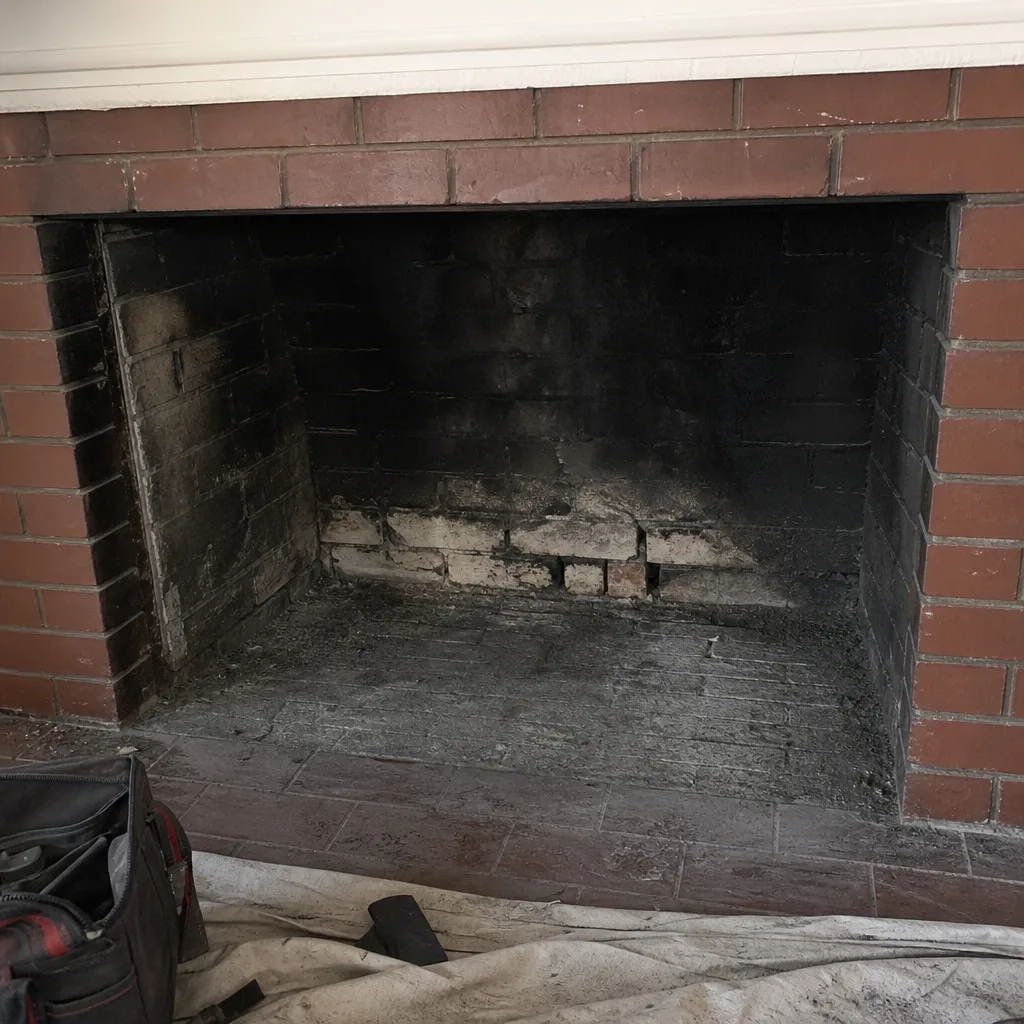
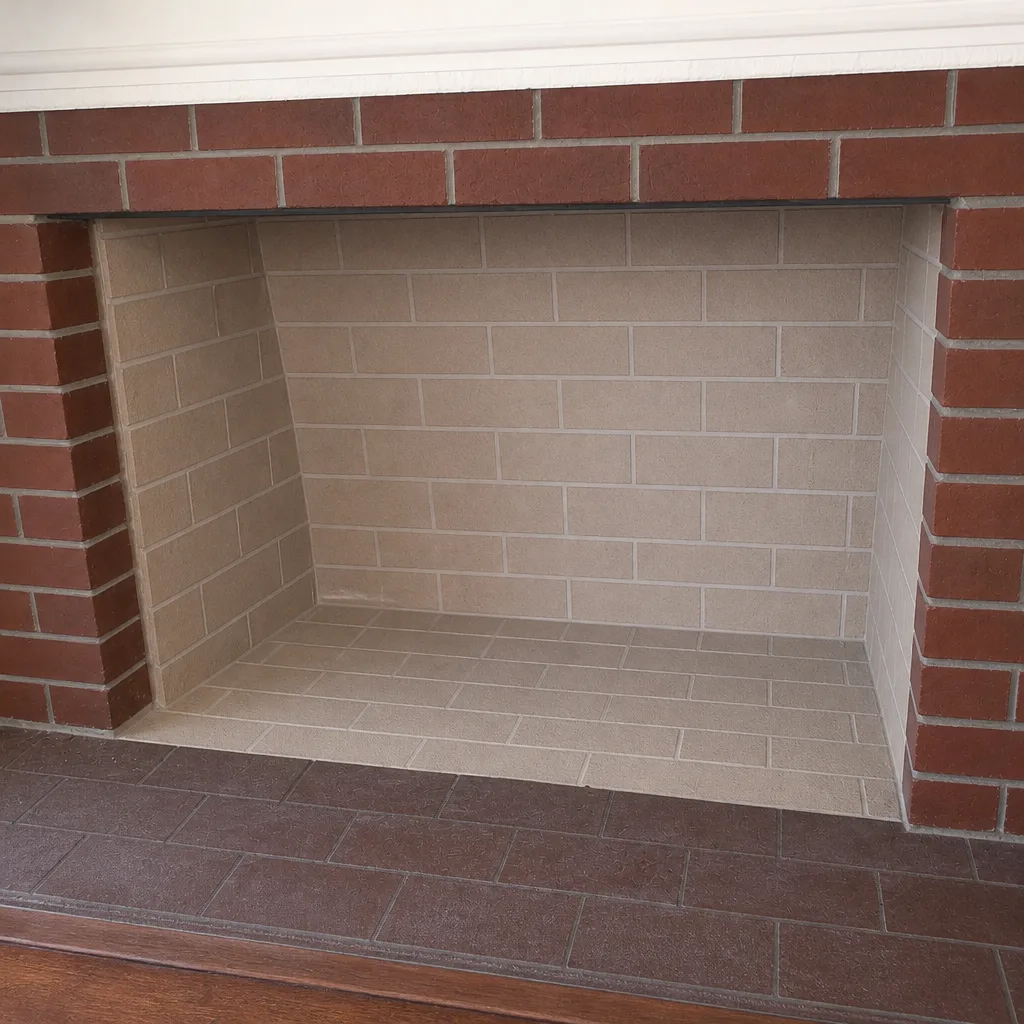
See the difference
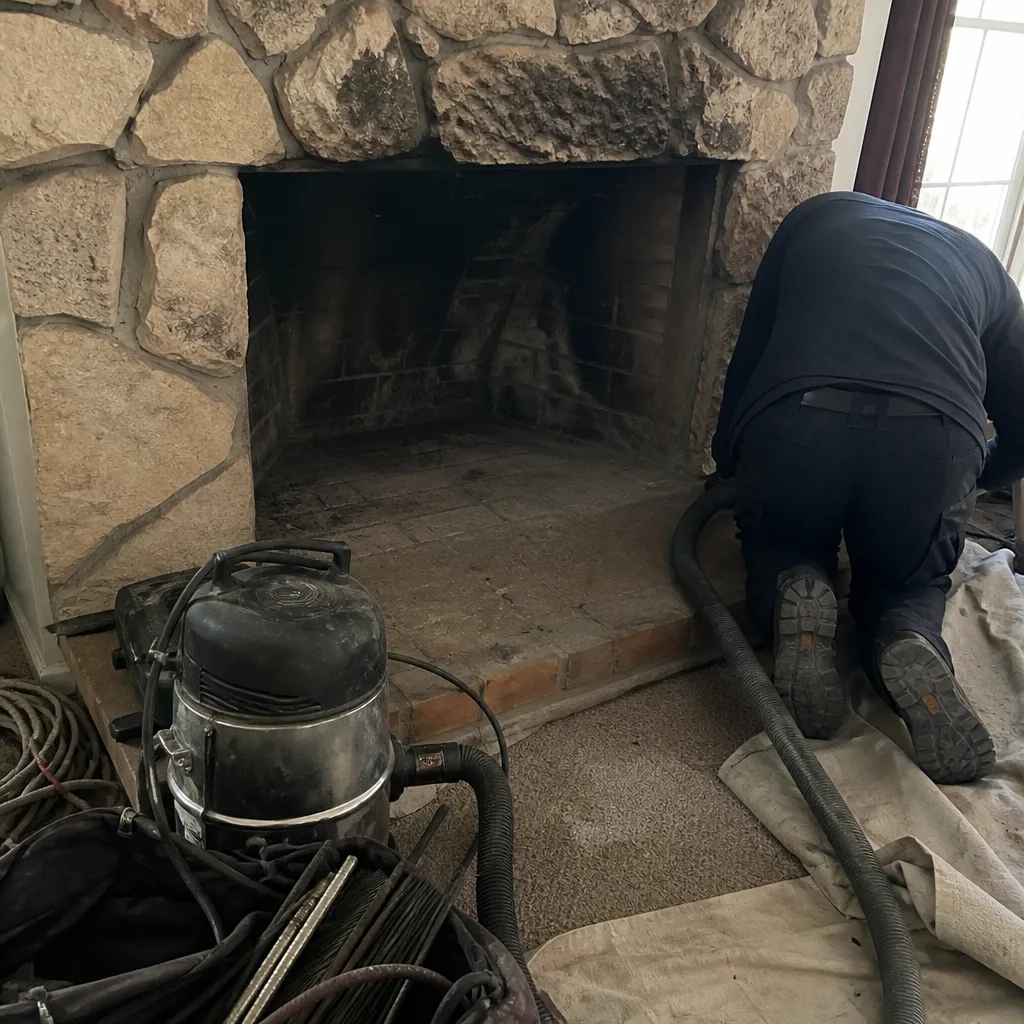 Before
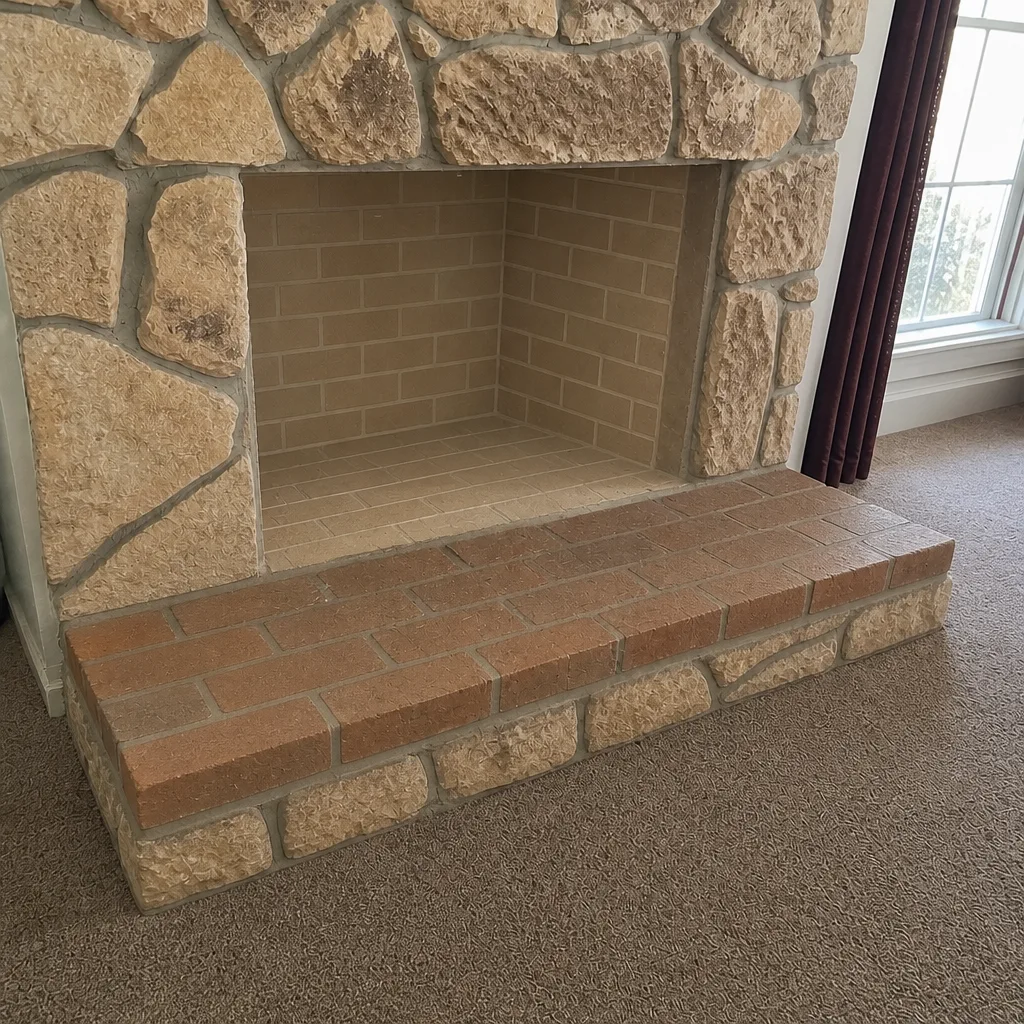 After
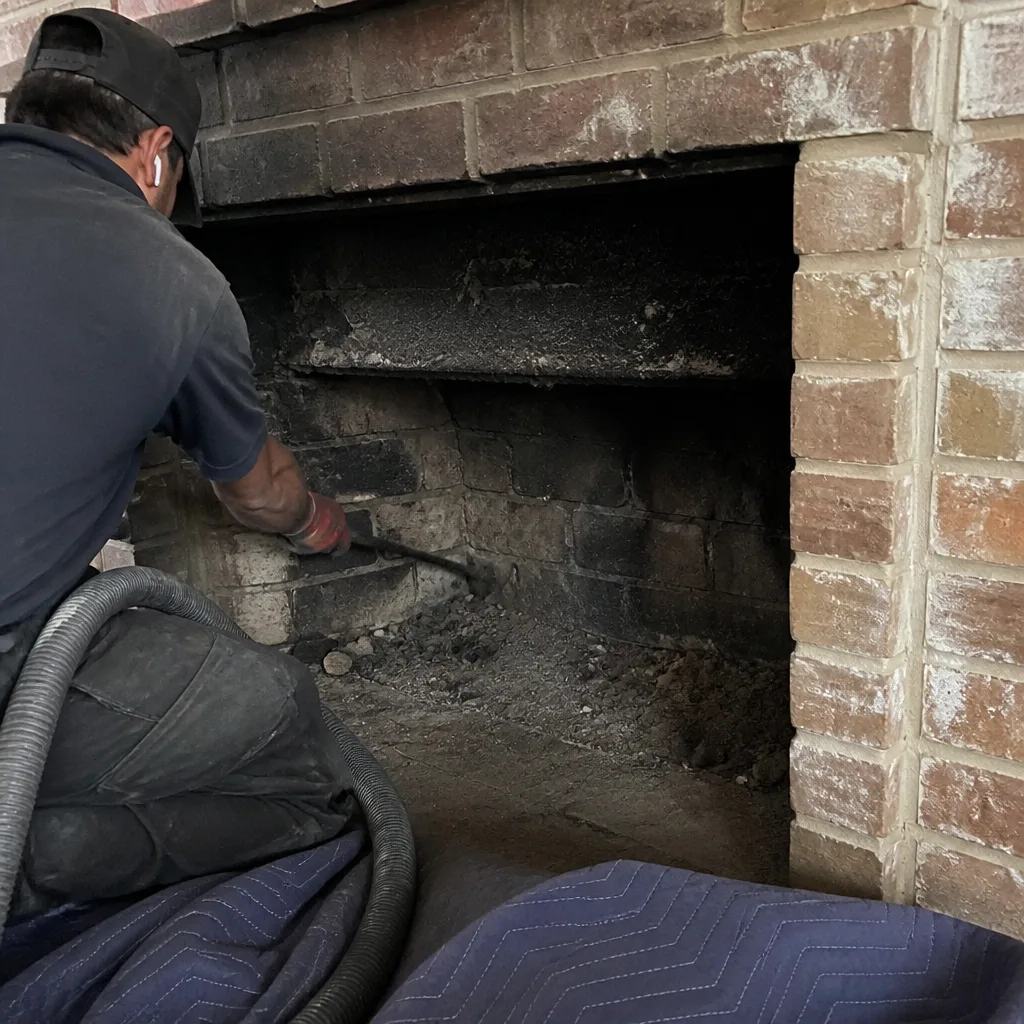 Before
 After
 Before
 After