
Last updated November 4, 2026
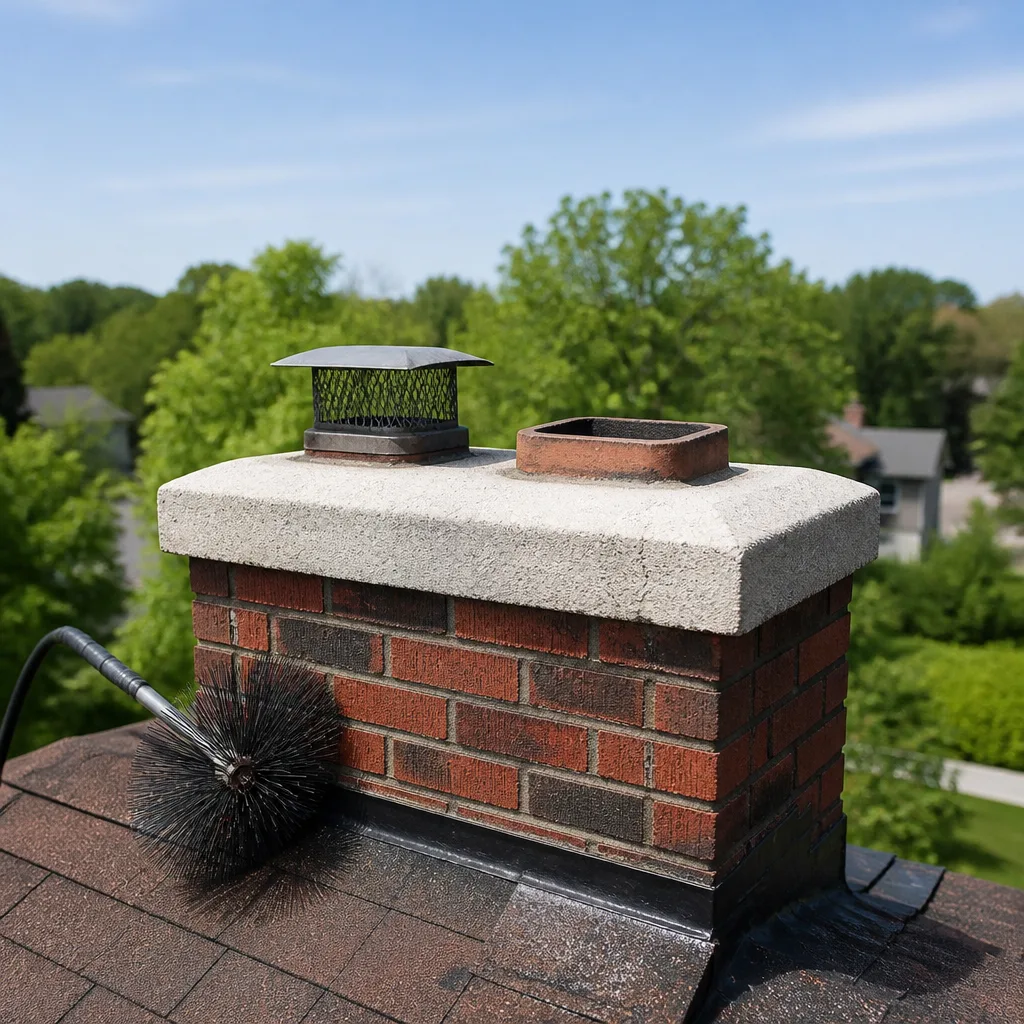 Sweep & inspection
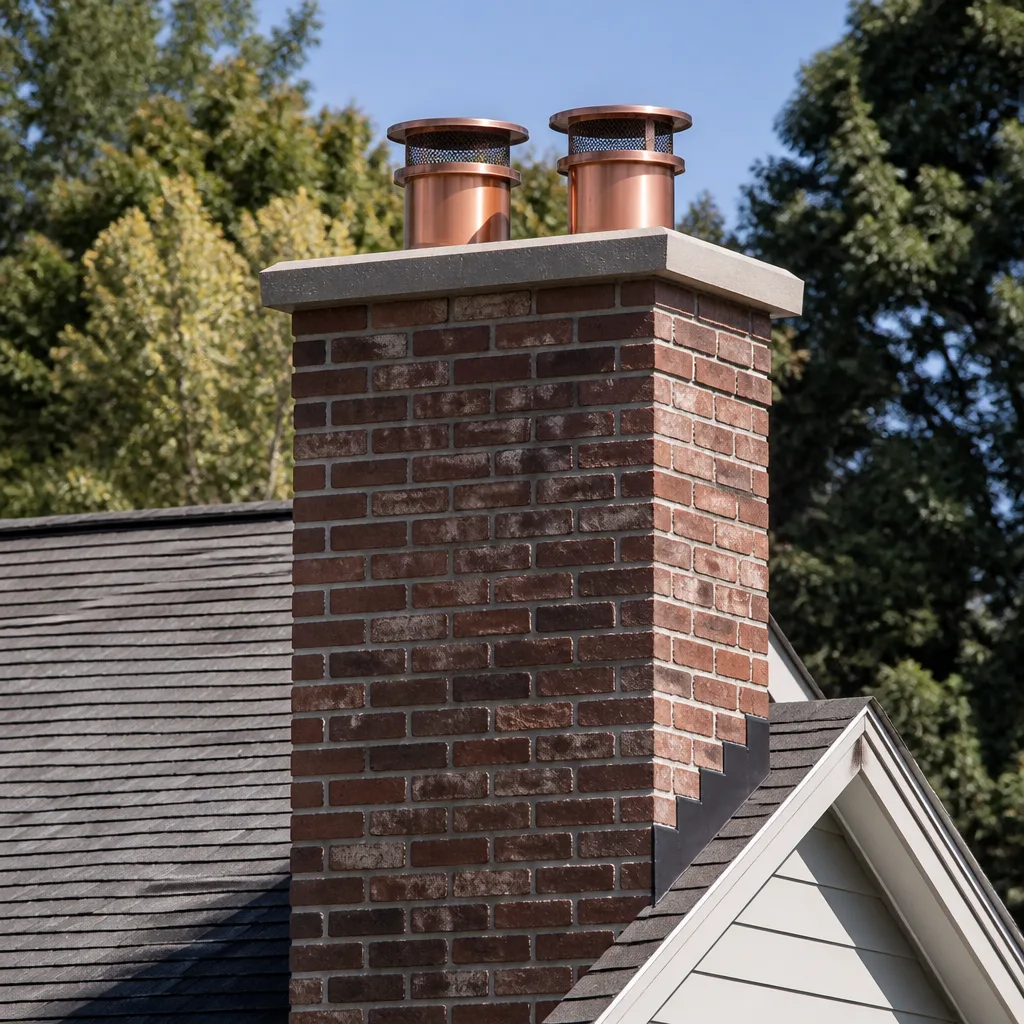 Caps & crowns
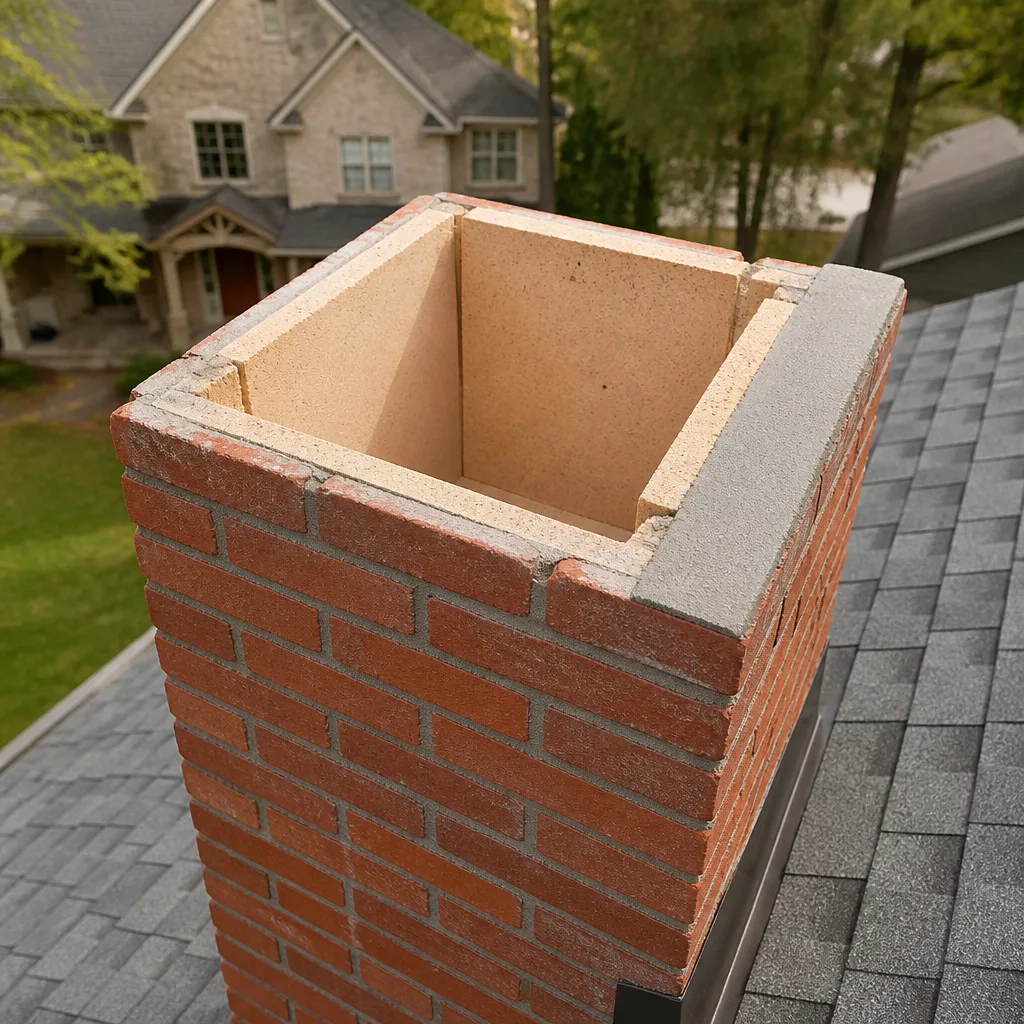 Flue relining
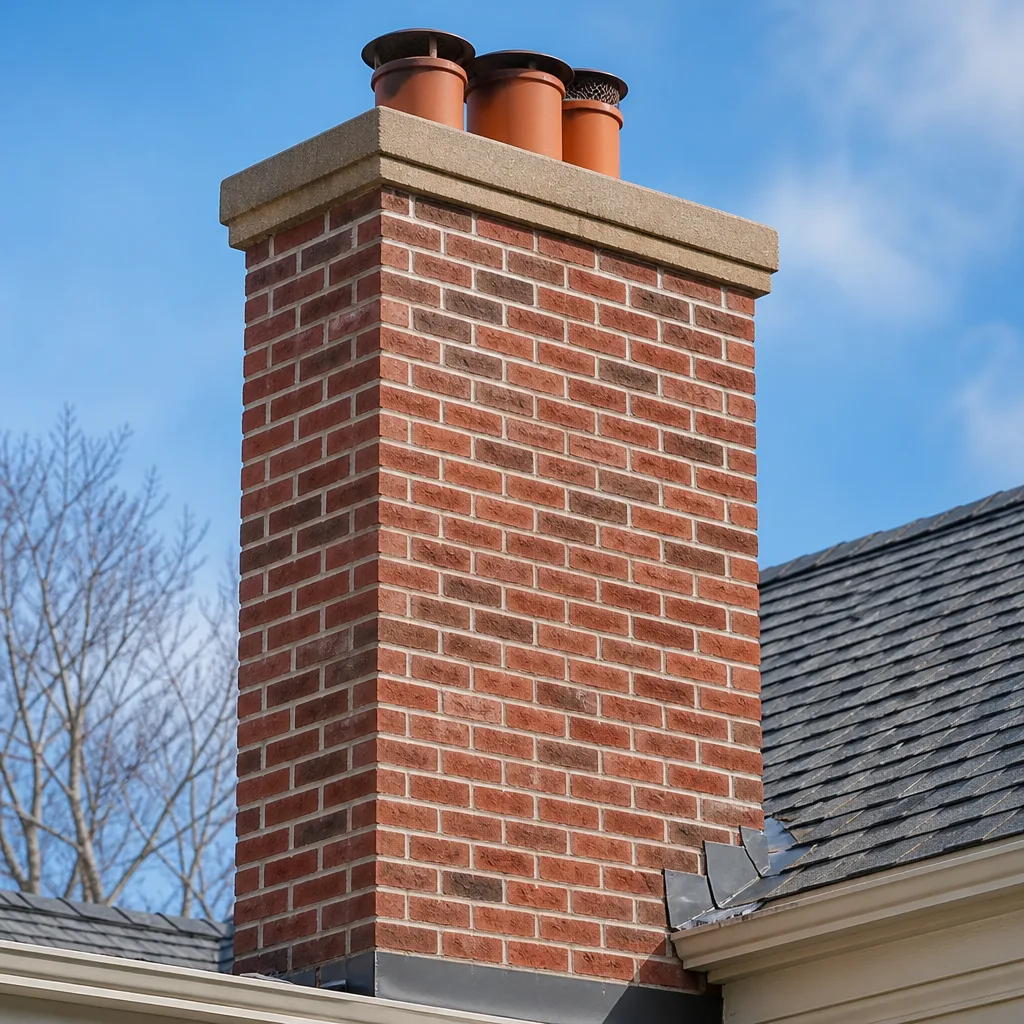 Masonry repair
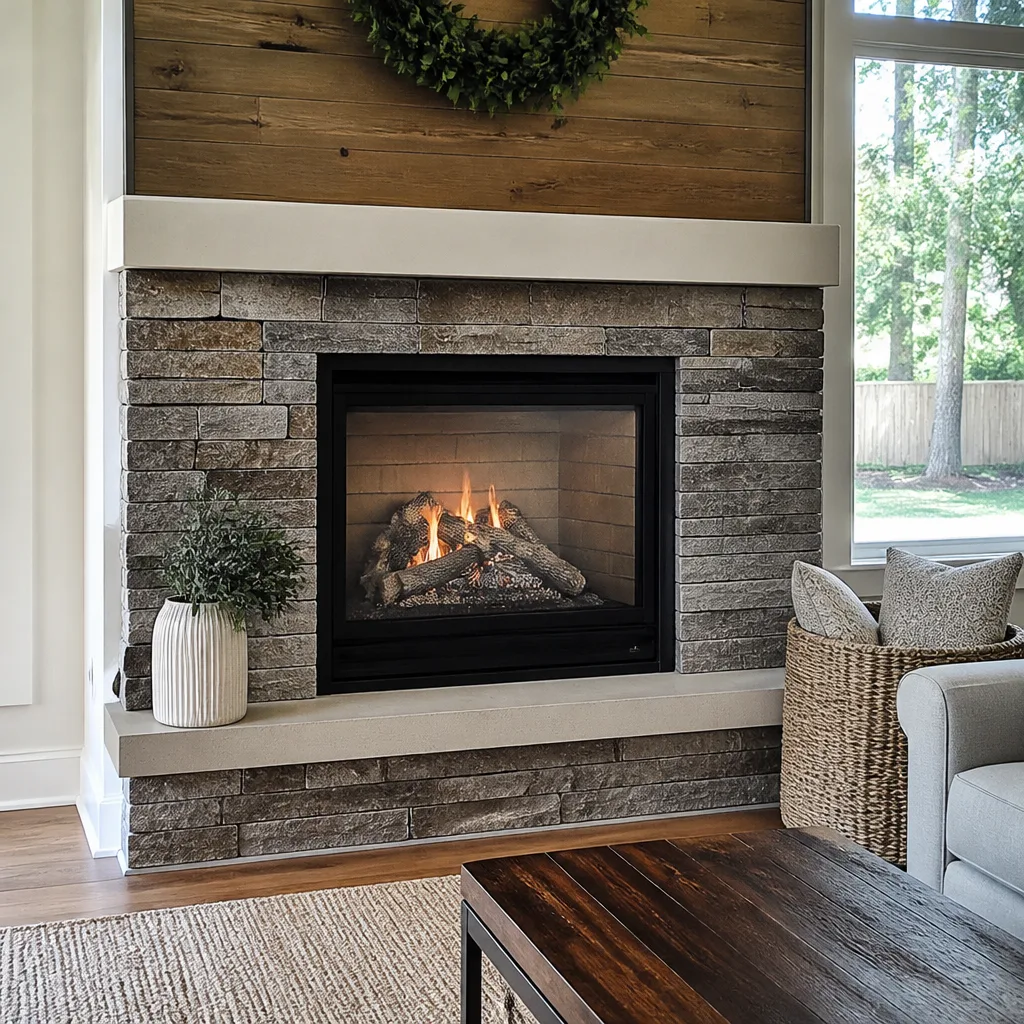 Gas fireplace service
Level 1 sweep and inspection to the NFPA 211 annual standard - flue, crown, cap, and flashing checked and photographed
Chimney sweep logs do not sweep chimneys. They loosen some creosote - which then falls where a brush and vacuum still have to collect it.
DIY vs Professional Chimney Cleaning: The North Sacramento Homeowner’s Decision Guide
The chimney brush kit hanging in the hardware aisle looks like a money-saver, and for a very specific kind of fireplace it can be. But here’s what most North Sacramento homeowners don’t realize: the soot you can see from the firebox opening is almost never the stuff that will actually burn your house down. The dangerous deposits are hidden in the smoke chamber and upper flue, and they don’t look like soot at all. They look like a dark, shiny glaze that most people mistake for old staining. This guide will walk you through exactly what a DIY pass removes, what it leaves behind, and how to decide which route makes sense for your fireplace.
Styles & brands we work with
- Sweep & inspection
- Caps & crowns
- Flue relining
- Masonry repair
- Gas fireplace service
Quick Answer
DIY chimney cleaning is appropriate for light-use fireplaces where only loose, fluffy soot has accumulated, but it cannot safely remove Stage 2 or Stage 3 creosote, which are the deposits that cause most chimney fires. For any fireplace that burns more than occasional recreational fires in North Sacramento, a professional sweep with camera inspection is the safer choice because it removes what you can’t see and documents the condition of the flue. Homeowners who attempt DIY cleaning on a heavily used wood-burning fireplace typically remove only 15 to 20 percent of the actual creosote load.
Table of Contents
- What a DIY Cleaning Actually Removes (and What It Misses)
- The Three Stages of Creosote: Why Visual Checks Fail
- What Professional Equipment Does That a Brush Kit Can’t
- When DIY Makes Sense in North Sacramento
- Insurance and Liability: What an Undocumented Cleaning Means in California
- The Diagnostic Value You Only Get from a Professional
- Cost Comparison: DIY vs Professional in North Sacramento
- Common Mistakes to Avoid
- When to Call a Professional
- Frequently Asked Questions
- The Bottom Line
What a DIY Cleaning Actually Removes (and What It Misses)
A chimney brush kit removes loose, powdery soot from the flue walls. That’s what it’s designed to do, and when that’s all that’s in the chimney, it works well enough. Soot is the soft black dust that collects after burning dry, seasoned wood with good airflow. It brushes off easily, falls down to the firebox, and gets vacuumed up.
The problem in North Sacramento is that very few wood-burning fireplaces only produce loose soot. Our burn patterns here tend to be sporadic: long periods of no use, then a cold snap arrives and the fireplace runs every evening for two weeks. That pattern creates creosote, not just soot. Creosote is a tarry, condensed byproduct that forms when wood smoke cools before it exits the chimney. It adheres to flue walls and will not come off with a standard wire brush from a hardware store kit.
A DIY pass with a brush and shop vacuum also misses three specific areas completely:
- The smoke shelf: the flat ledge just above the firebox where the chimney narrows. Debris accumulates here because it’s a horizontal surface that the brush never touches unless it’s a specialized tool used at the right angle.
- The smoke chamber: the angled section above the smoke shelf where the flue narrows from the firebox width to the actual chimney liner. This area has corbelled brickwork with dozens of ledges and pockets where creosote builds up thickly.
- Stage 2 and Stage 3 creosote deposits: these require mechanical rotary tools or chemical treatment. A brush simply scratches the surface of glazed creosote without removing it.
The honest assessment is that for a wood-burning fireplace used more than a handful of times per season, DIY cleaning creates the illusion of a clean chimney. The firebox looks better. The visible part of the flue looks better. The parts that actually cause chimney fires remain untouched.
The Three Stages of Creosote: Why Visual Checks Fail
To understand why DIY cleaning falls short, you need to understand what’s actually inside your chimney. In our experience, most North Sacramento homeowners have never had anyone explain the three stages of creosote to them. It’s the single most useful piece of knowledge for evaluating your own chimney.
Stage 1: Soot and Loose Creosote
This is the fluffy, dusty, black or brown material that brushes away easily. It forms when fires burn hot and dry, with good oxygen flow. A chimney with only Stage 1 creosote is in decent shape. This is the only stage where a DIY brush has genuine cleaning power.
Stage 2: Flaky, Crusty Creosote
Stage 2 looks like black cornflakes or crunchy scales stuck to the flue walls. It forms when smoke isn’t quite hot enough to keep the creosote in vapor form, so it condenses as a flaky deposit. It’s thicker than Stage 1 and cannot be removed with a basic wire brush. Removing it properly requires a rotary loop system or a poly brush with more aggressive action, and even then it often needs a follow-up pass.
Stage 3: Glazed, Shiny Creosote
Stage 3 is the dangerous one. It looks like a glossy, tar-like coating baked onto the flue walls, sometimes with a dark, glassy sheen. Here’s the key visual distinction most DIYers miss: Stage 3 creosote often looks like a permanent stain or discoloration on the flue, not like something that’s “dirty.” It doesn’t brush off. It doesn’t chip when you poke it. It’s hardened, concentrated fuel. Stage 3 creosote is what burns in the majority of serious chimney fires.
The firebox opening is the wrong vantage point for assessing any of this. From below, a flue with Stage 3 glazing just looks dark. The homeowner sees no fluffy soot, assumes the chimney is clean, and closes the damper with false confidence. Even a flashlight and mirror only show the first foot or two of flue. The full length of the chimney, including the smoke chamber, is invisible from the firebox.
What Professional Equipment Does That a Brush Kit Can’t
A professional chimney sweep in North Sacramento brings three capabilities to the job that no DIY kit replicates. Understanding these helps explain the price difference in a way that makes sense.
Rotary Cleaning Systems
A rotary system uses flexible rods attached to a drill motor, with poly or steel whip heads that spin at high speed against the flue walls. The spinning action breaks loose Stage 2 creosote and can significantly reduce Stage 3 glazing, especially when combined with the right chemical treatment. This isn’t brute force scrubbing: it’s mechanical action applied evenly to the full circumference of the flue, in both directions. A rotary system also reaches the smoke chamber and smoke shelf effectively, which is where hand brushes struggle.
Closed-Circuit Camera Inspection
Before or after sweeping, a professional can run a camera up the flue and put the image on a screen where you can see it. You see the condition of the liner, the presence of any cracks or gaps, the depth of creosote that remained after cleaning, and any blockages like bird nests or debris. This is the single biggest difference between what a professional offers and what a brush kit offers: evidence. You’re not taking someone’s word that a liner is cracked, you’re looking at the image yourself.
Chemical Creosote Treatments
For Stage 3 creosote, many professionals apply a chemical treatment before mechanical removal. The treatment is sprayed or applied to the flue and left to sit, which causes the glazed creosote to break down and lose its hardened quality. After treatment, the same rotary tools become much more effective. Some treatments are also designed for post-cleaning application, leaving a residue that neutralizes future creosote formation. These are professional products applied in controlled amounts, not the fireplace logs sold at hardware stores that claim to “clean your chimney” while you burn them. Those burning logs do not replace a sweep.
When DIY Makes Sense in North Sacramento
Honesty matters here. We’re a Laurel Chimney Sweep company, and we’d rather tell you when a chimney is in good enough shape that a professional visit can wait than sell you a service you don’t need. There are three scenarios where DIY chimney maintenance is genuinely appropriate.
- Gas fireplaces used infrequently. Gas appliances don’t produce creosote. A visual check of the firebox and vent exterior for unusual discoloration, odd smells during operation, or obvious debris is reasonable homeowner maintenance. Annual inspection by a professional is still recommended because gas appliances have their own failure modes, but the cleaning itself isn’t something you need to DIY with brushes.
- Light-use decorative wood fires. If you burn fewer than ten fires per season, all with dry, seasoned wood, and you burn them hot with good airflow, you may only accumulate Stage 1 soot. A DIY chimney brush cleaning once per season is reasonable. The key is honestly assessing burn frequency: ten fires or fewer. The honest path is ten fires or fewer, burning hot fires, with dry wood.
- Annual visual checks between professional sweeps. If you hire a professional sweep annually, a simple visual check of the firebox each month during burning season is smart. You’re looking for unusually thick black buildup, animal droppings, or anything that looks out of place. You’re not replacing the professional cleaning, you’re supplementing it with awareness.
North Sacramento has a mild winter climate compared to many parts of the country. Fireplaces are used for ambiance and supplemental heat, not as a primary survival heat source. That means many homes fall into the lighter-use category. If that’s your situation, the honest answer is that DIY may be adequate. If you’re not sure, the price of a professional inspection is a reasonable hedge.
Insurance and Liability: What an Undocumented Cleaning Means in California
Here’s a part of this conversation that almost no one talks about, and it matters in California. If your chimney catches fire and you file a homeowner’s insurance claim, the adjuster will ask when the chimney was last cleaned and by whom. A professionally documented sweep provides a dated receipt, often with photos or a written condition report. That’s evidence of maintenance.
A DIY cleaning provides no documentation. You can say you cleaned it, but there’s no third-party record, no proof of scope, and no verification that anything was actually removed. The insurance company is not required to accept your word. In a worst-case scenario, the claim process becomes adversarial at exactly the moment you need it to be simple.
This isn’t meant as fear-based marketing. It’s an accurate description of how claims work. Most insurance policies require the homeowner to take reasonable steps to maintain the home and prevent damage. A chimney fire after years without a professional cleaning, or with only self-reported DIY maintenance, gives the insurer a defensible reason to reduce or deny the claim.
Professional cleaning creates a paper trail. It creates a record of due diligence. In California, where insurance providers are already cautious about fire risk, that documentation has real value beyond the cleanliness of the flue.
The Diagnostic Value You Only Get from a Professional
Cleaning is the entry point. What actually protects your home is the information gathered during the cleaning. A professional sweep in North Sacramento should be looking at the entire system, not just the flue walls.
During a sweep, we inspect the chimney cap and top damper for rust or debris. We look at the crown and wash for cracks that allow water entry, which matters even in our mild climate because cracked masonry wicks moisture into the structure during our rainy season. We check the flue liner for cracks, gaps, or spalling. A cracked liner is a carbon monoxide path into the home, and it isn’t a cosmetic issue. We examine the smoke chamber and smoke shelf, which are the most common areas of hidden creosote accumulation. We verify that the damper opens and closes properly and seals well enough to prevent warm air escaping in winter and conditioned air escaping in summer, which matters in North Sacramento’s hot season.
The brand of equipment matters here too. When a liner needs replacement, we install DuraFlex flexible liner systems, which is a professional-trade brand that chimney specialists use rather than a big-box alternative. If the existing flue has fire damage or cracked clay tiles but is structurally sound, HeatShield resurfacing can restore it without a full rebuild. That’s a repair option that only becomes available when someone with the right training and supply relationships does the diagnosis. A brush kit doesn’t tell you about any of this.
Some chimney companies in the area clean and leave. They hand you a receipt and go. When the problem found during cleaning requires a second contractor and another appointment, many homeowners let it slide and never get the repair done. The right professional can diagnose and fix in the same visit. That difference has real safety value.
Cost Comparison: DIY vs Professional in North Sacramento
Everything looks cheap when you only count the brush kit. The honest comparison includes equipment, time, work quality, and what gets missed. Here’s how the numbers and practicalities line up in North Sacramento.
| Cost Factor | DIY Chimney Cleaning | Professional Sweep |
|---|---|---|
| Initial equipment cost | $40 to $80 for a basic brush-and-rod kit from a hardware store | Included in service price |
| Shop vacuum with HEPA filter | $80 to $150 (standard shop vacs leak fine dust back into the room) | Professional dust containment included |
| Camera inspection | Not available or not used | Included or available as an add-on |
| Time commitment | 2 to 4 hours depending on roof access and experience | 60 to 90 minutes |
| Roof safety | Homeowner on a ladder with tools | Trained professionals with safety equipment |
| Documentation | None | Dated receipt, condition notes, photos available |
| Actual cleaning capability | Stage 1 soot in the flue walls only | Stage 1, 2, and 3 creosote, smoke chamber, smoke shelf, and full assessment |
The average professional chimney sweep in North Sacramento typically falls within a predictable range for a standard cleaning. Exact pricing depends on the height of the chimney, the condition of the flue, and whether repairs are needed. Most sweeps in the area run between $180 and $340 for a standard fireplace and flue. A wood stove or larger system can cost more. The written estimate always sets the final price. Free estimates mean you know exactly what you’re paying before the work starts.
Common Mistakes to Avoid
- Assuming a dark flue is just stained. A flue that looks like it has dark glazing or shiny patches is not stained. It’s loaded with Stage 3 creosote. Staining doesn’t happen in chimneys; fuel accumulation does.
- Cleaning from inside the fireplace without sealing the room. Soot dust is fine enough to travel through the whole house. Professionals use dust containment systems or meticulous seal-and-vacuum protocols. DIYers rarely do, which is why DIY chimney cleaning frequently ends with a ruined living room rug in North Sacramento homes with open floor plans.
- Using creosote-burning logs as a substitute for sweeping. These products soften creosote but don’t remove meaningful volume. They’re a maintenance aid at best, not a cleaning method. The debris still falls onto the smoke shelf and waits.
- Waiting until there’s a problem to do the first cleaning. If the fireplace is new to you, assume the previous owner never cleaned it. Many North Sacramento homes are older and the fireplace may have decades of unexamined use.
- Cleaning a chimney with an active animal nest. Birds and squirrels frequently nest in chimneys here. Sweeping a nest with a brush can push it deeper, creating a full blockage. Professionals check for animals before the first brush pass.
- Ignoring the smoke chamber. Every DIY guide focuses on the flue. The smoke chamber is where a tremendous amount of creosote accumulates because of the irregular brick surfaces. Brush kits don’t address it at all.
- Going on the roof without a fall-protection plan. A ladder against a two-story North Sacramento roofline, carrying brush rods and a vacuum hose, is not a safe scenario. Falls from roofs are one of the most common household accidents. If the roof pitch or height makes you uncomfortable, the project isn’t worth it.
When to Call a Professional
Call a professional chimney sweep in North Sacramento if you burn more than ten wood fires per season, have ever smelled a strong creosote or smoky odor in the house, see shiny black glaze inside the flue, haven’t had the chimney inspected in more than one year, or just bought a home with a wood-burning fireplace. Call if you’re hearing animal sounds in the chimney, if smoke spills back into the room during fires, or if you see water stains on the ceiling near the chimney chase. Call if you need documentation for insurance purposes or are preparing to sell the home. Laurel Chimney Sweep offers free estimates in North Sacramento. Call (866) 282-7519. We answer 24/7. Fast dispatch from 7am to 7pm, Sunday through Friday.
Frequently Asked Questions
A standard fireplace sweep in North Sacramento typically costs between $180 and $340 depending on chimney height, flue condition, and whether any repairs are needed. The written estimate sets the final price. Call (866) 282-7519 for an exact quote. Estimates are free.
Yes, for light-use fireplaces with only Stage 1 soot and a flue that’s easily accessible from the roof, a homeowner using a proper brush kit can perform basic cleaning safely. The problem is that most homeowners can’t verify what stage of creosote is present or see the smoke chamber where hidden buildup accumulates. If you’re unsure, a professional inspection costs far less than the risk of being wrong.
A wood-burning fireplace used regularly during the cooler months should be swept once per year, ideally before the burning season starts. The mild North Sacramento climate means most homes average a seasonal burning pattern from late fall through early spring, so a pre-season sweep in October or November makes sense. Gas fireplaces also need annual inspection, though the cleaning needs are different from wood-burning systems.
Creosote accumulates. Each fire adds another layer. Over multiple seasons without cleaning, Stage 1 soot becomes Stage 2 flakes and eventually Stage 3 glaze. The chimney now contains a concentrated fuel source coating the flue walls. A hot fire can ignite it, producing a chimney fire that sends flames shooting out the top of the chimney and temperatures inside the flue that crack liners and ignite nearby framing. Carbon monoxide can also back up into the home if the flue is constricted. The risks compound every year the cleaning is skipped.
Not every damaged liner needs replacement. If the existing flue has cracks or flaking tiles but the structure is stable, HeatShield resurfacing can often restore it without a full rebuild. If the damage is extensive or the flue has shifted, a DuraFlex flexible liner system is the standard professional solution. The only way to know which applies to your chimney is a camera inspection. We never recommend a repair without showing you the camera footage first.
Yes. Dryer vents are a separate fire risk from chimneys, and most chimney companies in North Sacramento don’t handle them. We offer dryer vent cleaning alongside chimney sweeping and repair, so both of your home’s primary venting fire hazards get addressed by the same trained team with the same level of documentation.
The Bottom Line
DIY chimney cleaning works for a narrow slice of North Sacramento fireplaces: light-use, gas-fueled, or diligently maintained wood-burning systems with only loose soot. For the majority of wood-burning fireplaces, the brush kit removes what didn’t need removing and leaves behind the glazed creosote that actually starts chimney fires. The question isn’t whether you can operate a brush; it’s whether you can see what’s in the flue, understand what you’re looking at, and document the work afterward. If you can’t do all three, the professional route costs less than you think and leaves you with evidence, not guesswork. Call (866) 282-7519. We answer 24/7. Fast dispatch from 7am to 7pm, Sunday through Friday.
Written by the team at Laurel Chimney Sweep, serving North Sacramento since 2013.
See the difference
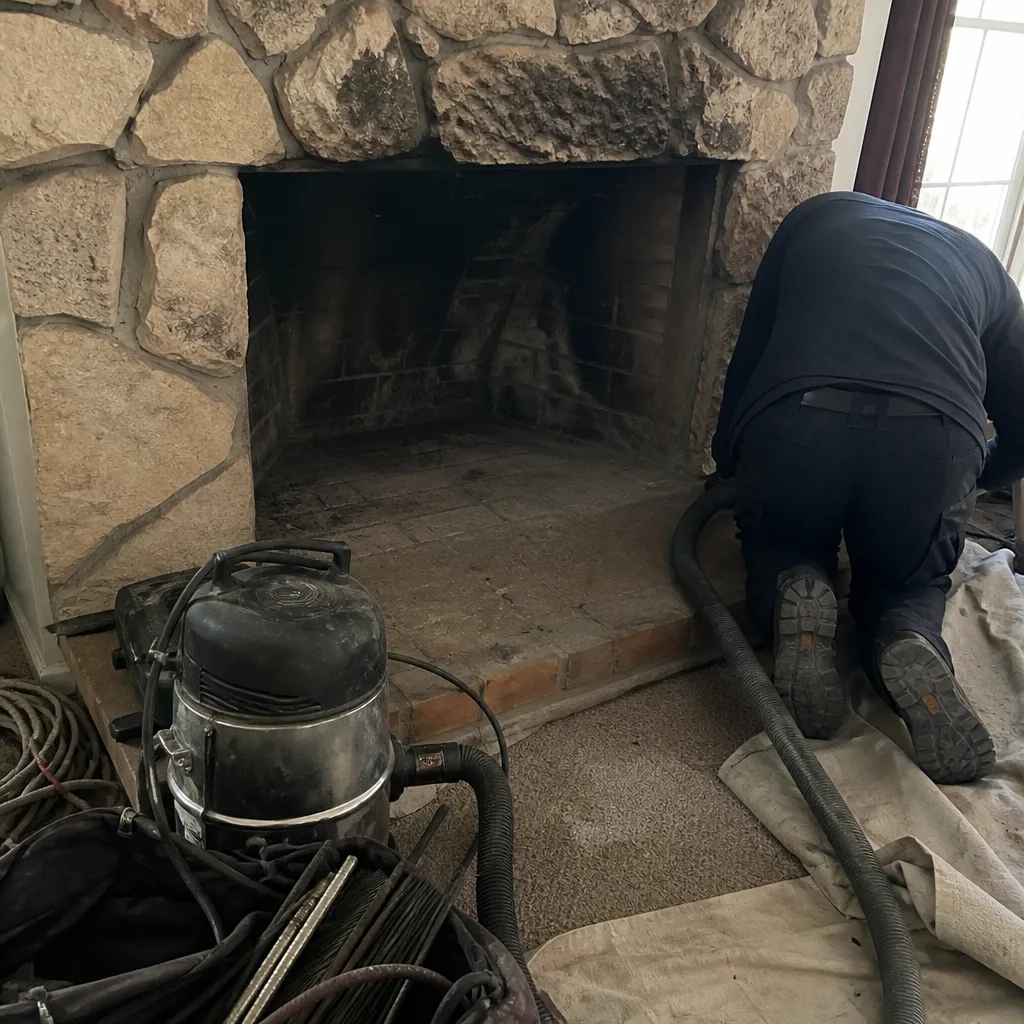 Before
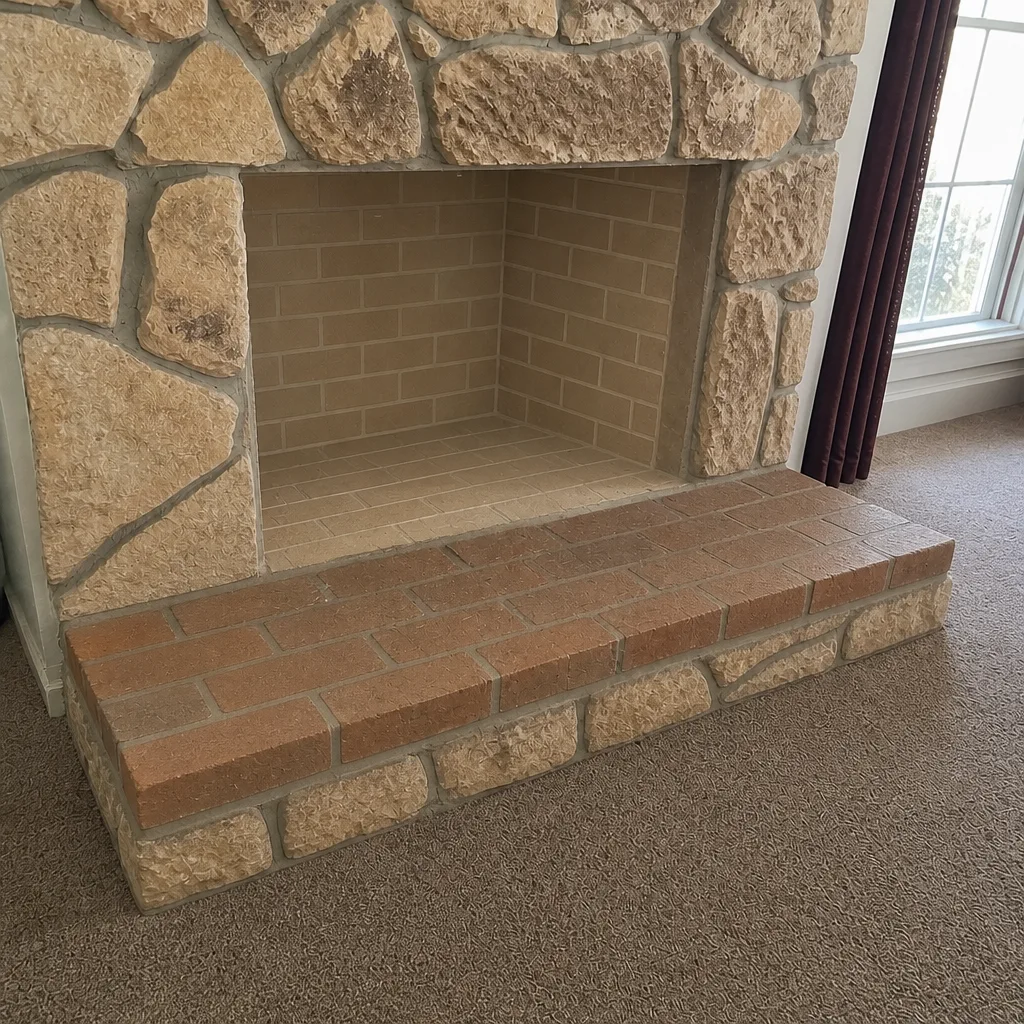 After
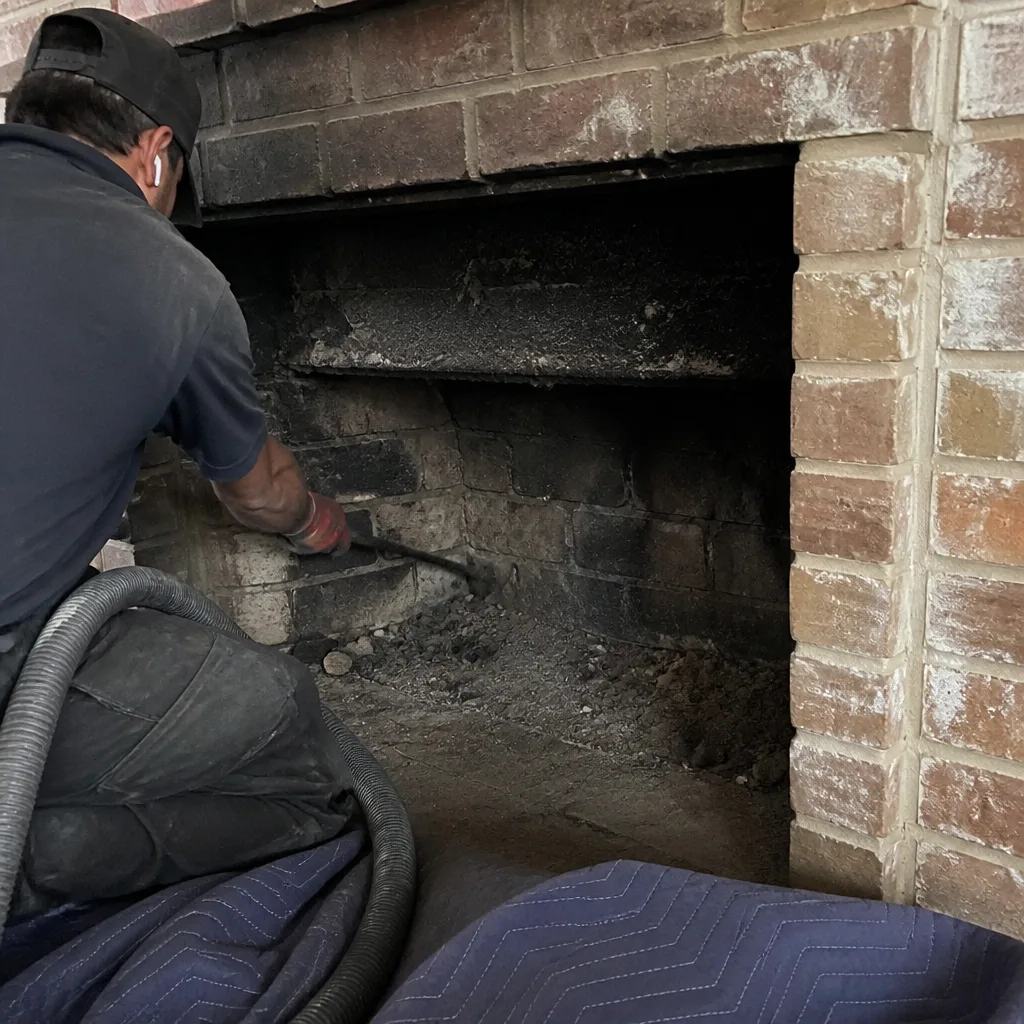 Before
 After
 Before
 After