
Last updated November 4, 2026
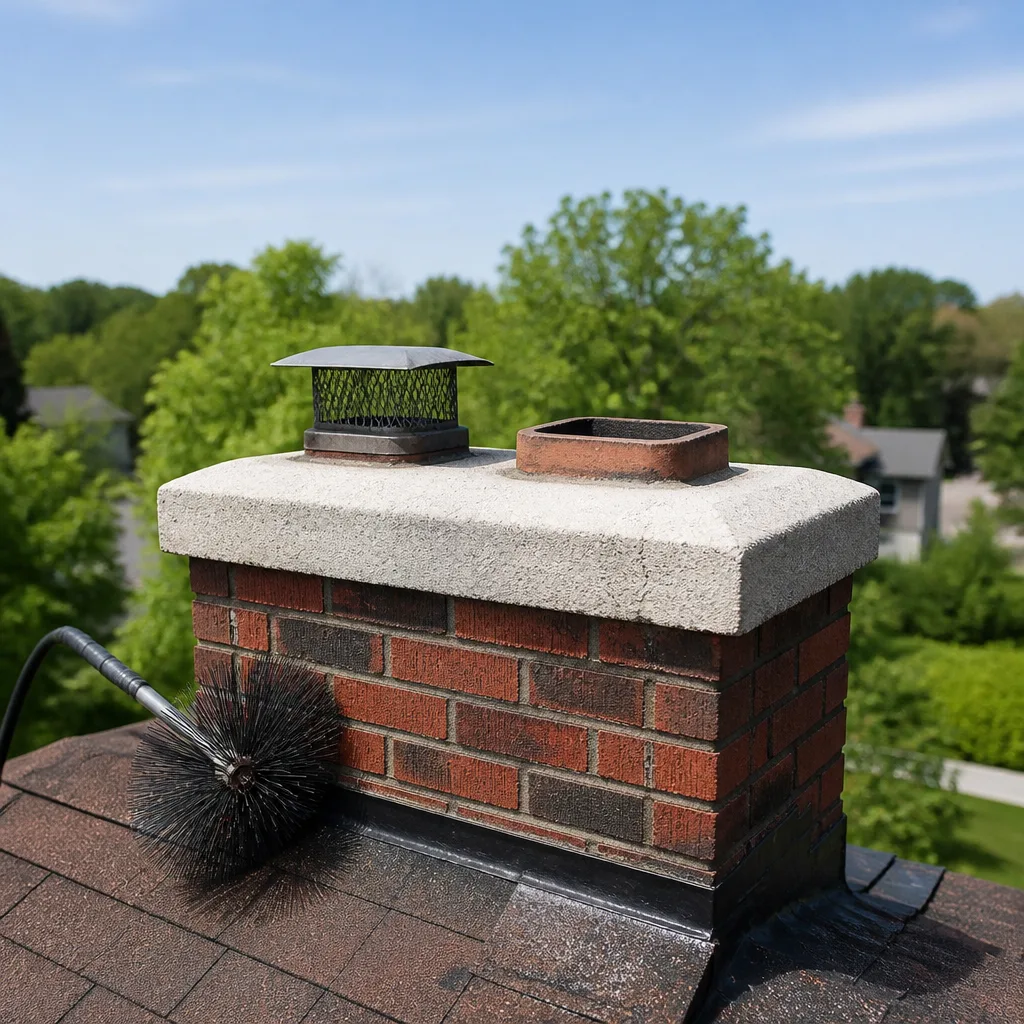 Sweep & inspection
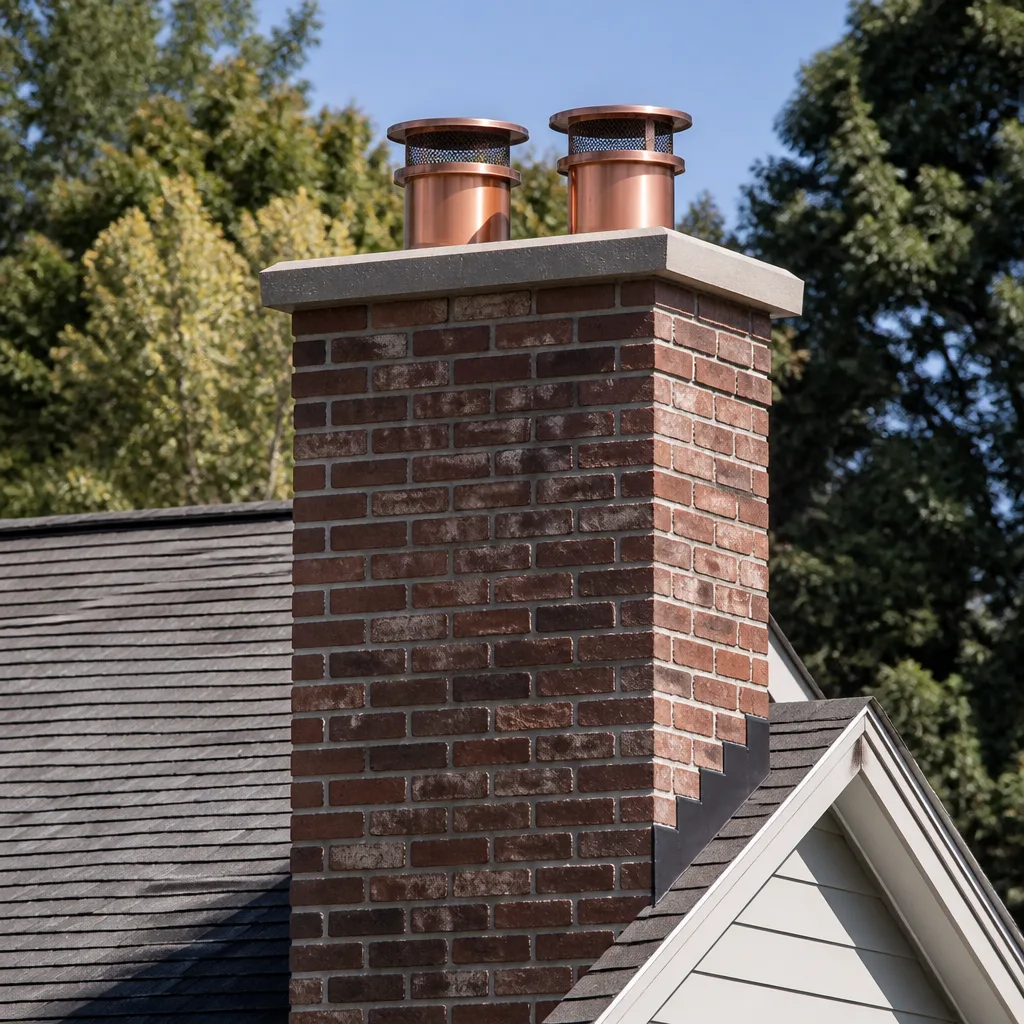 Caps & crowns
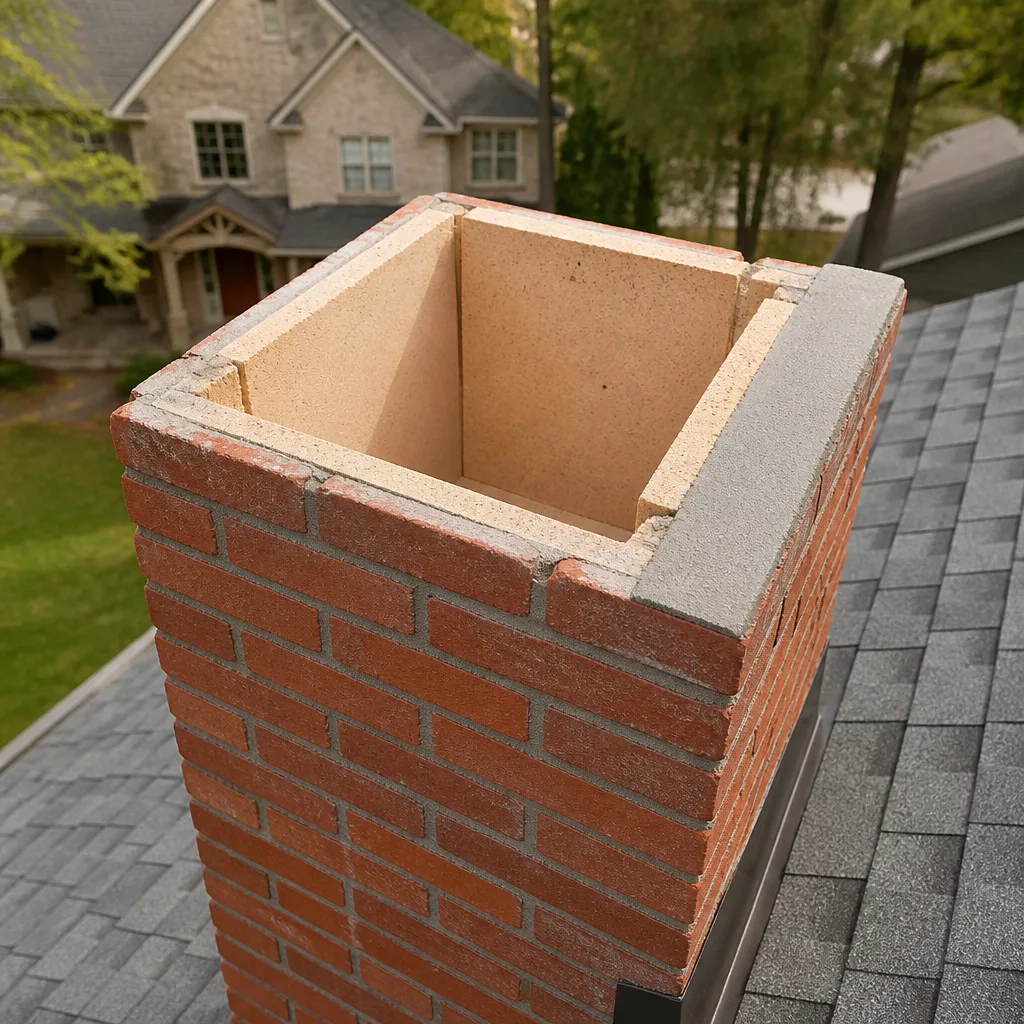 Flue relining
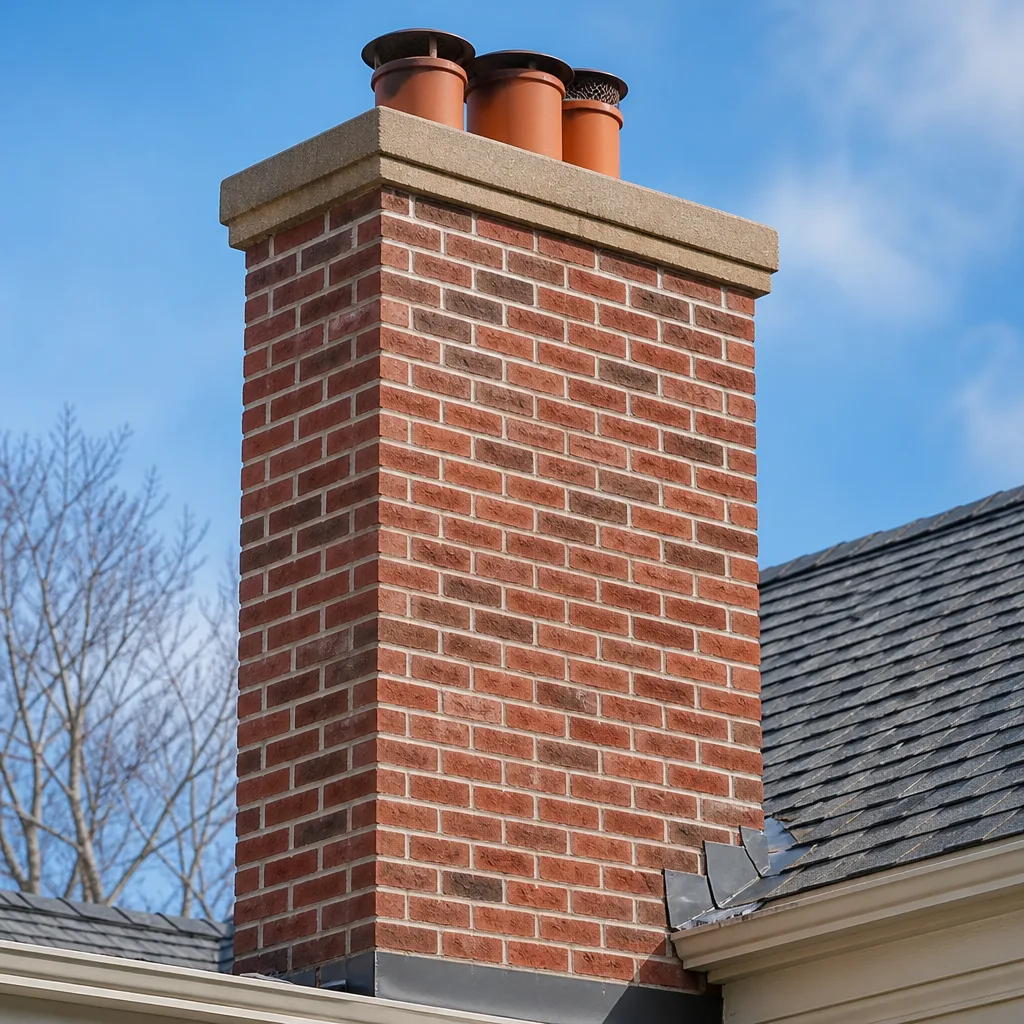 Masonry repair
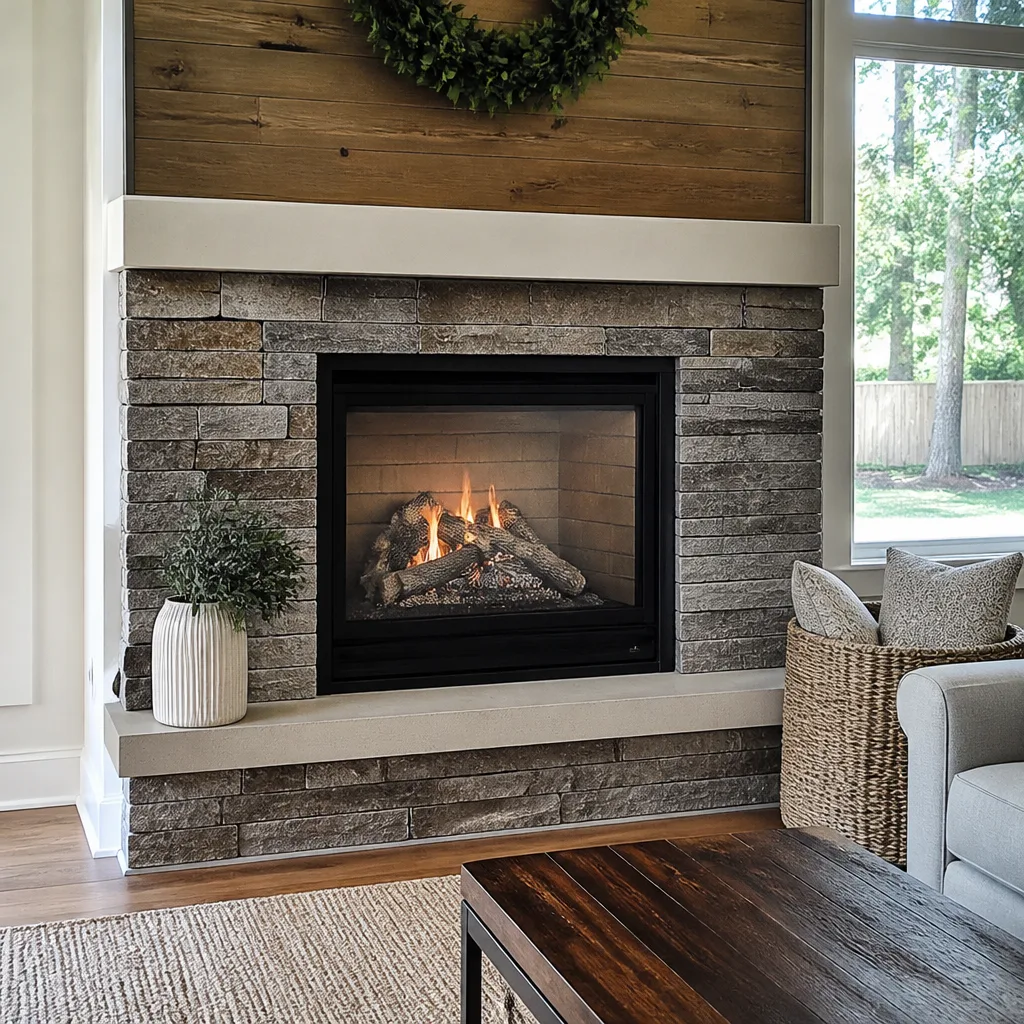 Gas fireplace service
Level 1 sweep and inspection to the NFPA 211 annual standard - flue, crown, cap, and flashing checked and photographed
Chimney sweep logs do not sweep chimneys. They loosen some creosote - which then falls where a brush and vacuum still have to collect it.
Chimney Sweep Maintenance Checklist for North Sacramento Homeowners
Most North Sacramento homeowners check their chimney the way they check their roof: only after something goes wrong. That’s backwards, especially in a valley climate where summer heat does most of the damage. A chimney that sat untouched through 100-degree July days and dry August winds has been quietly deteriorating. By the time September arrives and you light that first fire, the cap may already be compromised, the crown may be cracked, and water may have found its way behind the flashing. We’ll walk through a maintenance approach built around the chimney’s actual components, in the order they tend to fail here, so you know what to look at before the burning season starts.
Styles & brands we work with
- Sweep & inspection
- Caps & crowns
- Flue relining
- Masonry repair
- Gas fireplace service
Quick Answer
A North Sacramento chimney maintenance checklist should be organized by component, not calendar: check the cap, crown, flashing, liner, smoke chamber, firebox, and damper in sequence. Start with the cap and crown, since Sacramento Valley heat exposure and occasional hard rain deteriorate them faster than anything else. Have the full system swept and camera-inspected annually by a professional, and keep a written record of every visit.
Table of Contents
- The Chimney Cap: Your First Line of Defense
- The Crown: Heat and Rain Are Harder Than You Think
- Flashing: Where Leaks Actually Start
- The Liner: Clay vs. Stainless, and Why It Matters in the Valley
- Smoke Chamber and Firebox: The Parts You Can See
- The Damper: What a Stiff Handle Is Telling You
- Your Maintenance Log: The Habit That Pays Off Later
- Common Mistakes to Avoid
- When to Call a Professional
- Frequently Asked Questions
- The Bottom Line
The Chimney Cap: Your First Line of Defense
Here’s the counterintuitive part: the chimney cap in North Sacramento takes a harder beating in August than in December. Direct sun, long stretches of 95-plus degree days, and nights that cool quickly put constant expansion-and-contraction stress on the metal. A cap that was solid five years ago may have hairline corrosion, loose mounting screws, or a warped screen by now. And a failing cap is an open door: rain gets in, birds build nests, and embers can escape onto your roof.
What to look for:
- Rust or corrosion on the cap body, screws, or screen. Galvanized caps eventually rust through; a rust stain running down the chimney chase is a tell.
- Bent or torn screen mesh. A gap the size of a quarter is enough for a starling or squirrel to squeeze through.
- Missing or loose cap. After high wind in the valley, walk the perimeter and look up. A shifted cap is visible from the ground.
- Debris buildup around the cap’s base. Leaves from neighborhood oaks and sycamores collect there and hold moisture.
We work with Olympia Chimney and Famco components when we replace caps in North Sacramento. These are professional-trade brands, not box-store hardware that warps within two valley summers. A cap that’s sized correctly for your flue and secured with stainless hardware is a ten-minute install that prevents a hundred different problems.
If you can see rust through binoculars or a camera zoom, schedule a closer look. A cap inspection takes minutes and tells us a lot about what’s been happening inside the flue.
The Crown: Heat and Rain Are Harder Than You Think
The crown is the concrete or mortar slab at the top of the chimney, and it’s the second component to check. Sacramento’s dry summers pull moisture out of the crown, and when winter rain arrives, a cracked crown absorbs water like a sponge. That water then seeps down through the brick and mortar, causing spalling, crumbling, and eventually, structural deterioration inside the chimney. A crown that looks fine from the street can be riddled with hairline cracks.
Check these red flags:
- Visible cracks wider than a dime. Hairline cracks might be cosmetic, but wider ones are structural.
- Spalled brick or mortar below the crown line. If the top few courses of brick are flaking or powdery, water has been getting in for a while.
- Pooling water on top of the crown. A properly poured crown slopes away from the flue. If you can see standing water after a storm, the slope has failed.
- Efflorescence: white, chalky mineral deposits on the brick face. That’s water moving through the masonry and evaporating, leaving salts behind.
A crown repair isn’t something to put off. In the Sacramento Valley, the transition from dry heat to rain is precisely when a small crack becomes a big problem. We’ve seen crowns that looked intact from a ladder but had cracks running the full depth once inspected with a camera. If your crown is deteriorating, we can discuss resurfacing options, including HeatShield repair methods that can restore a compromised flue without a full rebuild. That’s a conversation best had before the first rain, not after.
Flashing: Where Leaks Actually Start
When a homeowner in North Sacramento finds a water stain on the ceiling near the chimney, they assume the leak is coming through the top. More often, it’s the flashing. Flashing is the metal strip that seals the joint where the chimney meets the roofline. Roof flashing takes a beating from valley sun, wind-blown debris, and the normal movement of the house as temperatures swing.
What to check:
- Gaps or separation between flashing and the chimney brick. Look for curled edges or missing sealant.
- Rust or corrosion on the flashing metal. Aluminum and galvanized steel flashing will eventually fail.
- Dried-out sealant. The rubberized caulk that seals the flashing edge degrades in Sacramento heat and pulls away.
- Water stains on the ceiling or attic near the chimney chase. That’s the most reliable indicator from inside the house.
Flashing issues are tricky because the problem often occurs in an area you can’t see from the ground. You might need a ladder or a roof inspection to properly assess it. This is one component where a professional with a camera makes a difference. We include a full camera inspection as part of our chimney sweep service, and what we find at the flashing line often explains a leak that’s been puzzling a homeowner for months.
The Liner: Clay vs. Stainless, and Why It Matters in the Valley
The liner is the most important safety component in your chimney, and the one most homeowners never see. It contains the heat, smoke, and combustion gases as they travel from your fireplace to the outside. In older North Sacramento homes, the liner is often clay tile. In newer installations, it’s stainless steel. Both materials have specific failure patterns in this climate.
Clay tile liners are durable but brittle. A chimney fire, an earthquake, or years of thermal cycling can crack them. Once a clay tile liner cracks, heat and gases have a direct path to combustible framing. A stainless liner from DuraFlex is more flexible and resistant to cracking, but it still needs annual inspection to check for corrosion or separation at the joints.
What we watch for:
- Cracked or missing clay tiles visible during a camera inspection.
- Corrosion or perforation in stainless liners, especially near the top where heat and moisture combine.
- Improperly sized liners. A liner that’s too small for the firebox causes smoking; too large causes poor draft and creosote buildup.
- Creosote accumulation inside the liner. This is the primary fire risk, and the reason an annual sweep is non-negotiable.
We carry and install DuraFlex stainless liner systems in North Sacramento. It’s a product trusted by chimney specialists nationwide, and it’s what we recommend when an older clay liner has failed. The alternative, leaving a compromised liner in place, is not an option we’ll present as acceptable. A liner failure is a safety issue, plain and simple.
Smoke Chamber and Firebox: The Parts You Can See
Inside the chimney, just above the damper, is the smoke chamber. Its job is to funnel smoke from the firebox up into the flue. In older chimneys, the smoke chamber walls are often rough, stepped masonry that catches creosote and soot. This buildup is a fire hazard, but it’s also a common cause of smoke backing up into the house.
The firebox is where the fire actually burns. For most North Sacramento homes, the firebox is made of firebrick and refractory mortar. Daily use, intense heat, and the occasional overbuilt fire all take a toll.
Look for:
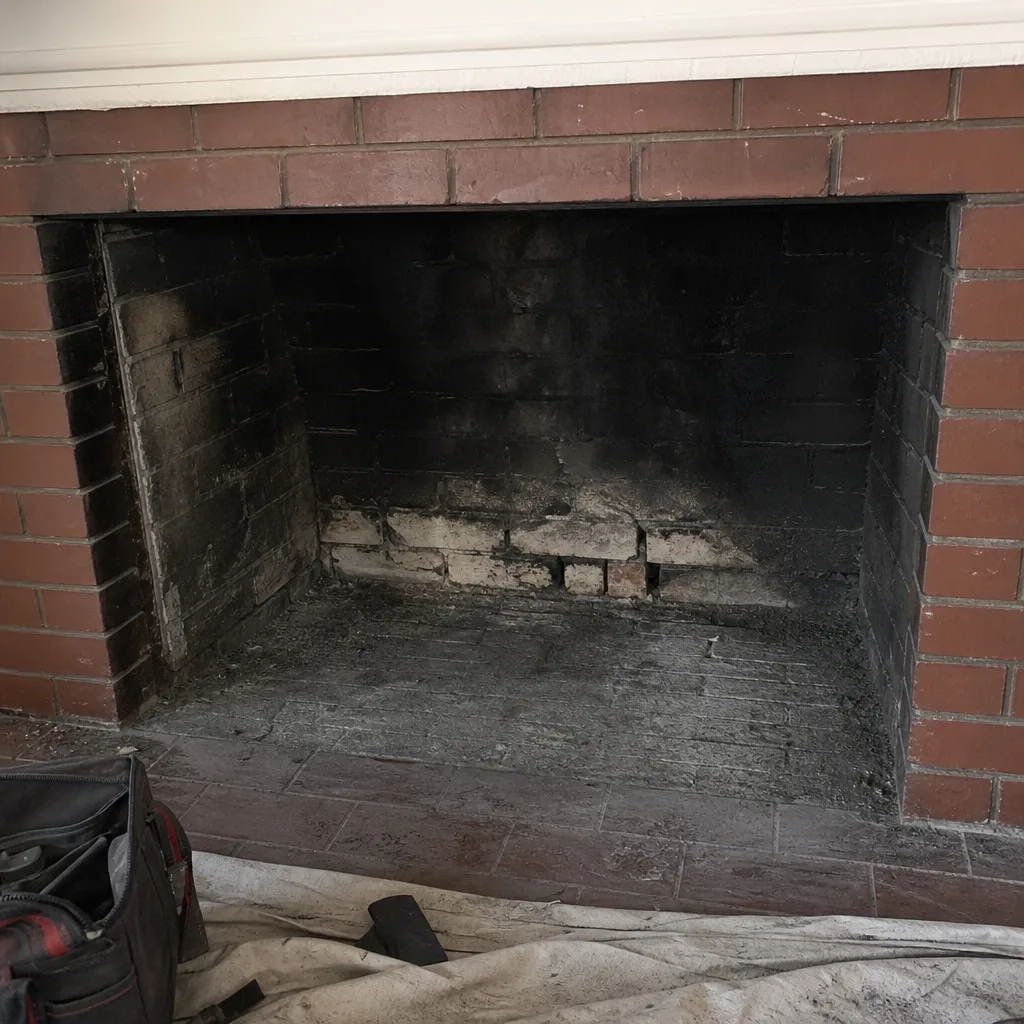
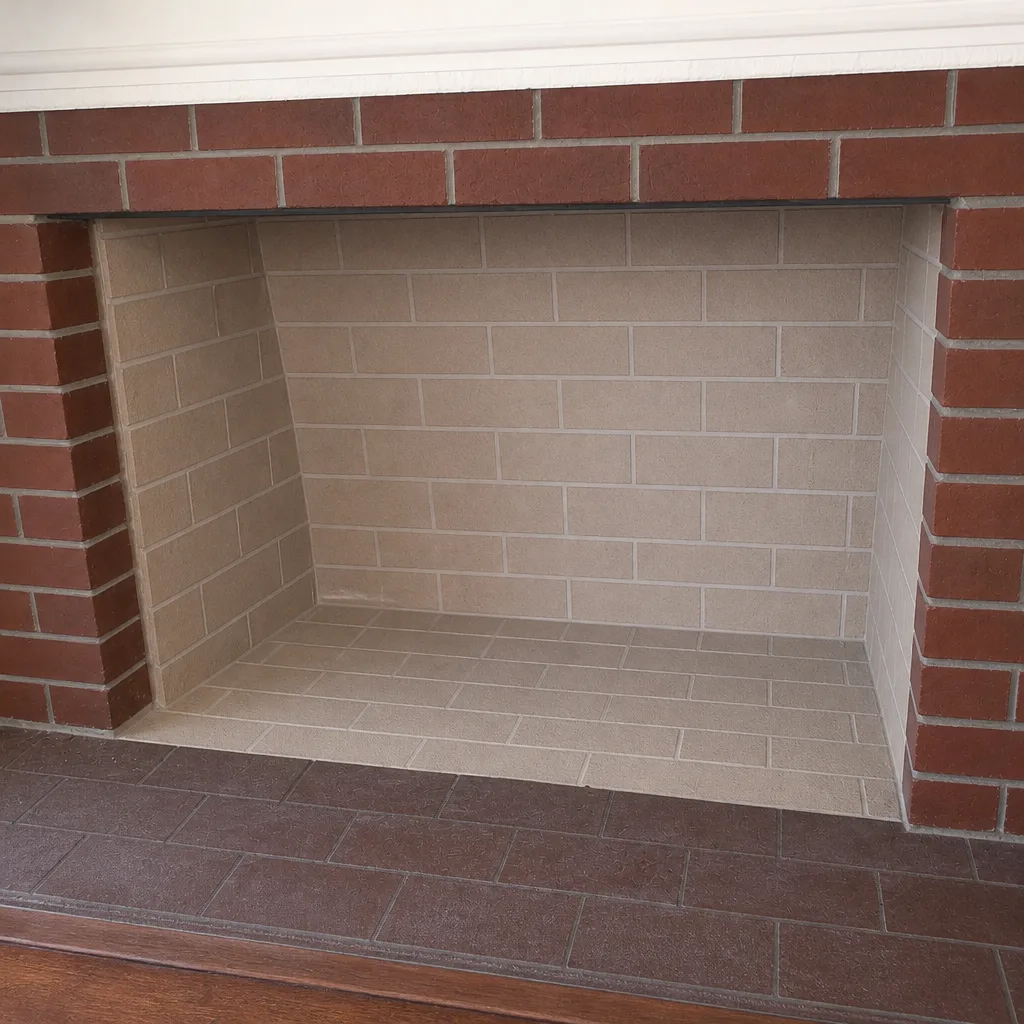
- Loose or crumbling firebrick in the firebox floor or walls.
- Gaps in the mortar joints where heat can escape to the surrounding framing.
- Smoke stains above the fireplace opening. This indicates poor draft, a partially blocked flue, or a smoke chamber that needs attention.
- A thin, tar-like glaze on the inside surfaces. That’s creosote, and it means the chimney needs sweeping before the next fire.
If we find moderate creosote during a routine sweep, we clean it. If we find a thick, glassy glaze or deterioration in the smoke chamber, that’s when a routine cleaning becomes a repair recommendation. We’ll show you the camera images. We don’t sell repairs without evidence, and we’ll tell you honestly if what we found can wait or needs attention before the season.
The Damper: What a Stiff Handle Is Telling You
The damper is the metal plate just above the firebox that opens and closes to control airflow. A damper that’s stuck open lets heated air escape up the chimney all winter, and cooled air escape all summer. A damper that’s stuck closed makes the fireplace unusable. Most dampers in North Sacramento homes are the traditional throat damper, operated by a handle or chain inside the firebox.
Here’s the thing: a stiff damper is rarely just about the hinges. It usually means creosote or rust has built up on the plate, or that the damper assembly has warped from heat. So when we see a damper that won’t open or close smoothly, we look at the entire system, not just the handle. A damper problem is often a symptom of something else.
Check these signs:
- A damper that won’t stay open or closed without propping.
- Visible rust or flaking metal on the damper plate.
- Cold air coming down the chimney when the damper is closed, which means the seal isn’t tight.
- Water stains or rust in the firebox directly below the damper.
Dampers can be replaced, and we work with Copperfield components for damper hardware and venting accessories. But the first step is figuring out why the damper is failing. Sometimes it’s simply age. Sometimes it’s persistent moisture from a failing cap or crown. Fix the damper without fixing the moisture problem, and you’ll be back to a stiff handle in two years.
Your Maintenance Log: The Habit That Pays Off Later
Most North Sacramento homeowners don’t keep a chimney maintenance log, and that’s a missed opportunity. A simple notebook or a note on your phone with the date, service performed, and any recommendations from your sweep creates a record that matters in three situations: selling the house, filing an insurance claim, and diagnosing a recurring problem.
Here’s what we recommend recording:
- Date of every sweep and inspection, including camera inspection notes.
- What was cleaned: chimney, liner, smoke chamber, firebox, cap.
- Any repairs recommended by the technician, even if you chose to defer them.
- Creosote level found (light, moderate, heavy). This helps track whether your burning habits or wood supply are causing faster buildup.
- Photos. If your sweep provides camera images, save them. A photo of a clean liner from 2022 is useful evidence if you sell in 2026.
When you call Laurel Chimney Sweep, we keep our own records of every visit, including camera images and measurements. But having your own log means you can answer a buyer’s question immediately instead of scrambling. And if you ever file an insurance claim related to a chimney fire or water damage, a maintenance log demonstrates that the system was properly cared for. That’s a real financial benefit, not just good housekeeping.
Common Mistakes to Avoid
- Only scheduling a sweep when smoke backs up into the house. By then, creosote has built to a hazardous level. An annual sweep costs less than most people expect and prevents the surprise of a smoking fireplace on a cold evening.
- Ignoring a missing or damaged cap. It seems minor, but an open flue is an invitation for rain, animals, and embers. A cap replacement is one of the least expensive chimney repairs we do.
- Burning green or unseasoned wood. Unseasoned wood produces more creosote per fire. In the Sacramento Valley, seasoned oak is abundant; use it. Allow wood to dry for at least 12 months.
- Closing the damper too soon after a fire. The damper should stay open until the fire is completely out and the embers are cold. Closing it early traps carbon monoxide inside the house.
- Using the fireplace without a functioning carbon monoxide detector in the home. This is non-negotiable. A chimney can be clear and still develop a drafting problem on a particular night. A working detector is the backstop.
- Assuming a gas fireplace needs no maintenance. Gas fireplaces produce less creosote, but their venting systems can still clog with debris, and gas logs can develop soot buildup. Gas chimneys need annual inspection too.
- Painting over water stains without finding the source. A stain near the ceiling by the chimney is usually flashing or crown damage. Painting hides the symptom; the leak continues.
When to Call a Professional
Some maintenance tasks are safe to do yourself: looking up with binoculars, checking the firebox for crumbling brick, noting whether the damper moves smoothly. But the moment you see water stains on the ceiling, smell smoke lingering after a fire, or notice animals on the roof, it’s time to call. A professional can inspect the full system with a camera, measure creosote levels, and identify damage that isn’t visible from the ground.
If you haven’t had a sweep in over a year, schedule one now, before the fall rush. Laurel Chimney Sweep offers free estimates in North Sacramento. Call (866) 282-7519. We answer 24/7. Fast dispatch from 7am to 7pm, Sunday through Friday.
Frequently Asked Questions
A standard chimney sweep in North Sacramento typically costs between $180 and $350, depending on the chimney’s condition, height, and accessibility. The final price is set by a written estimate after we see the chimney. Call (866) 282-7519 for a free estimate.
You should have your chimney swept once per year if you use your fireplace regularly, or after every cord of wood burned. An annual sweep is the minimum. If you burn green wood or use the fireplace daily, you may need two sweeps per year.
During a sweep, we remove creosote and soot from the liner, smoke chamber, and firebox using brushes and a HEPA vacuum. We inspect the full system with a camera, check the cap and crown, and provide a written report with photos. If we find damage, we’ll explain what we found and what can wait.
You can inspect your own firebox and look at the cap from the ground, but proper cleaning requires professional equipment and training. A chimney sweep involves working on a roof, using specialized brushes, and dealing with creosote dust that can irritate lungs. We recommend calling a professional.
Yes. Even occasional fires produce creosote, and the liner can crack from heat stress or weather exposure even when the chimney is not in use. An annual camera inspection is the only way to confirm the liner is intact and safe.
A chimney fire often sounds like a loud roaring or popping noise, and you may see flames or dense smoke coming from the chimney top. If you suspect a chimney fire, close the damper if it’s safe to do so, evacuate the house, and call 911. After a chimney fire, the liner must be professionally inspected before the fireplace is used again.
The Bottom Line
A chimney maintenance checklist for North Sacramento homeowners isn’t complicated: check the cap, crown, flashing, liner, smoke chamber, firebox, and damper in that order, every year, before the burning season. The cap and crown fail first because of valley heat and occasional hard rain. The liner is a safety item that only a camera inspection can properly assess. And a written log of every service visit protects you when you sell the house or file an insurance claim. If you do nothing else this season, call for a sweep and check the cap.
Written by the team at Laurel Chimney Sweep, serving North Sacramento since 2013.
See the difference
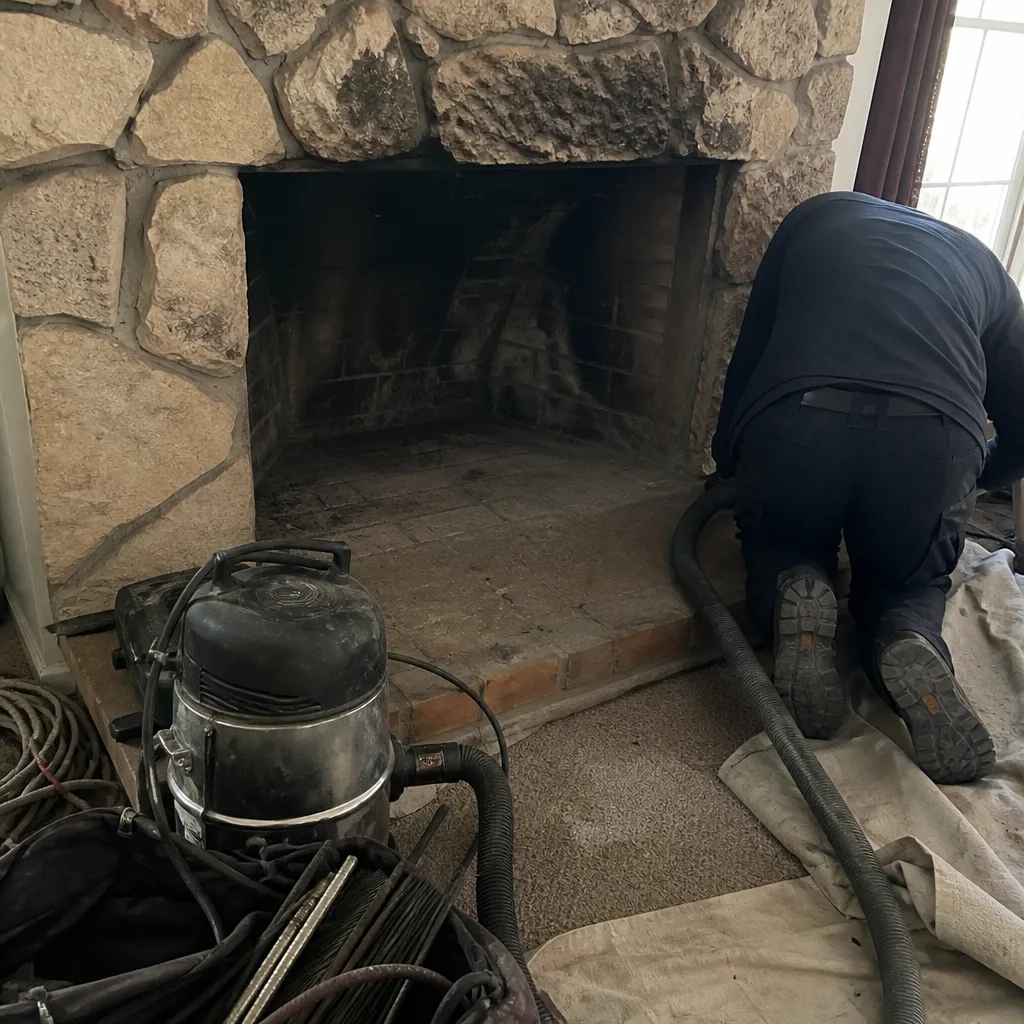 Before
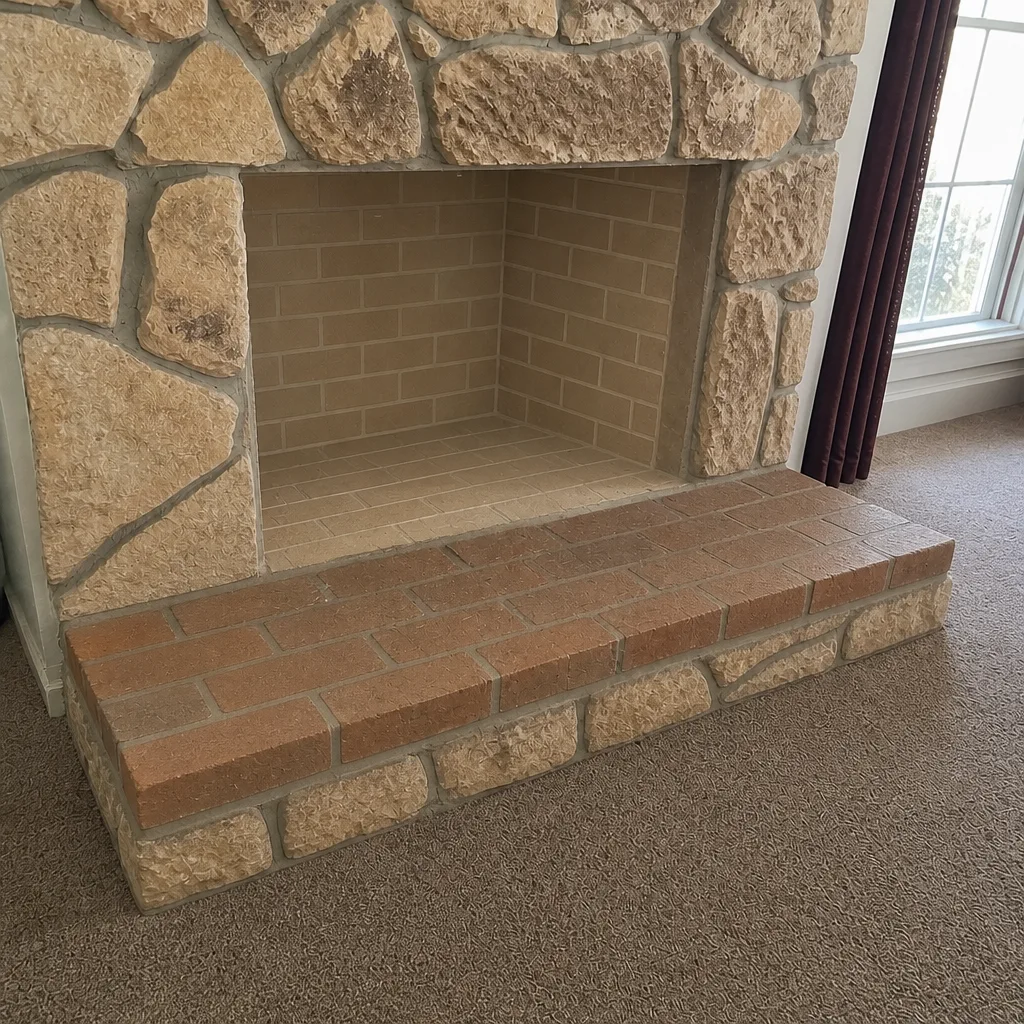 After
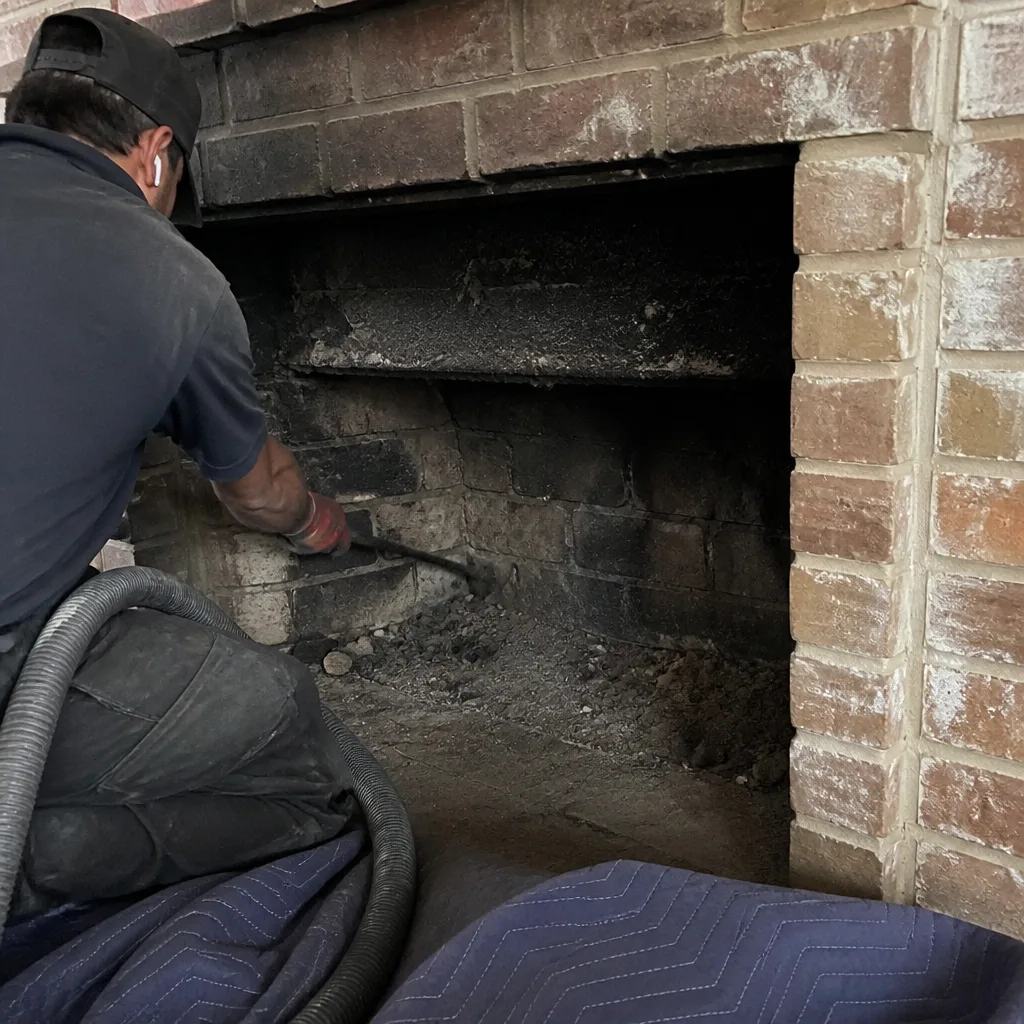 Before
 After
 Before
 After