
Last updated November 4, 2026
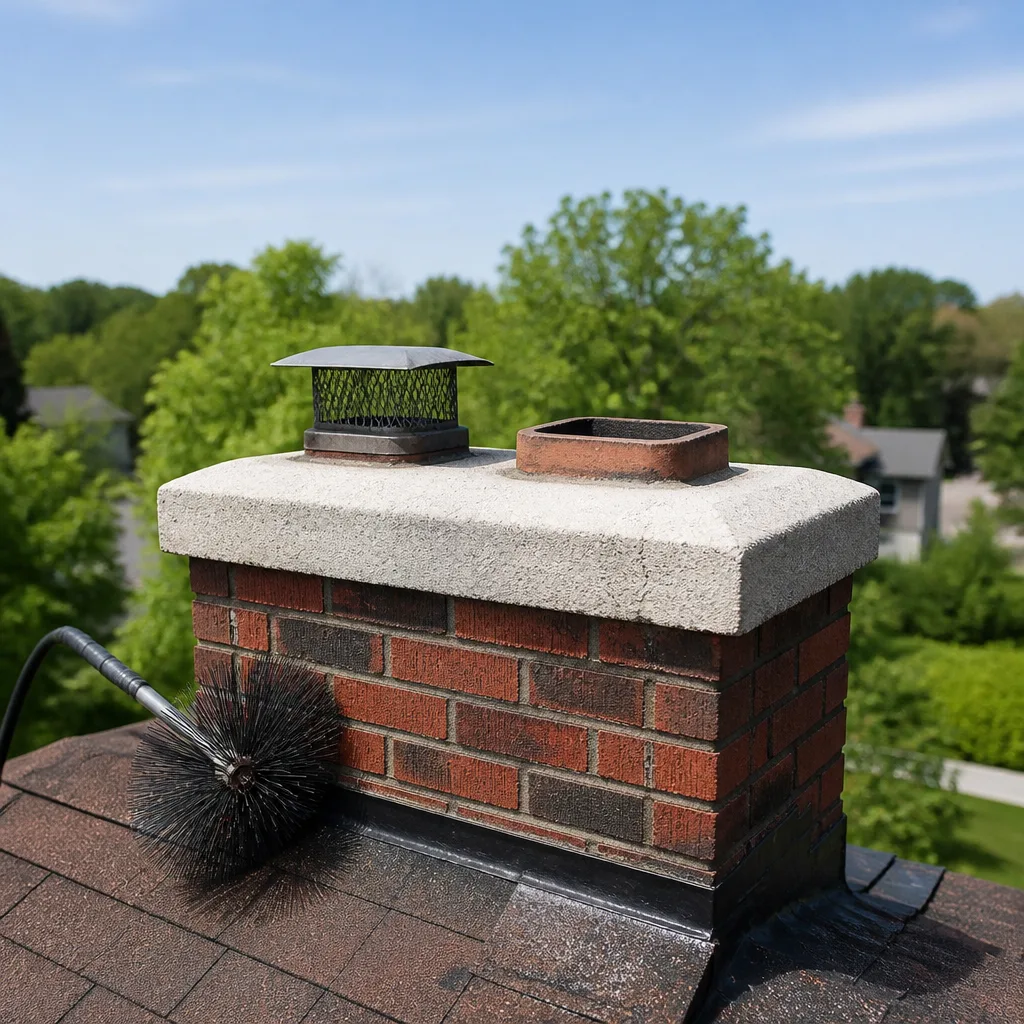 Sweep & inspection
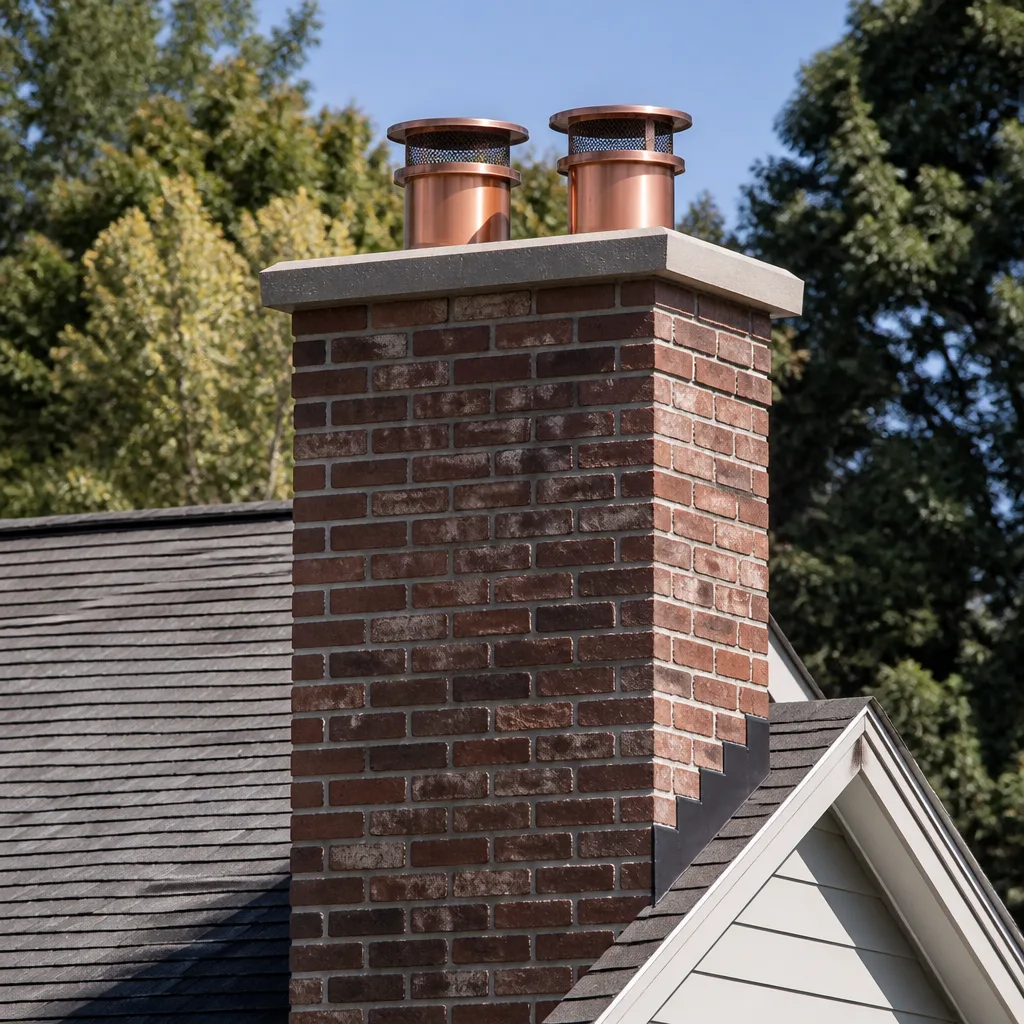 Caps & crowns
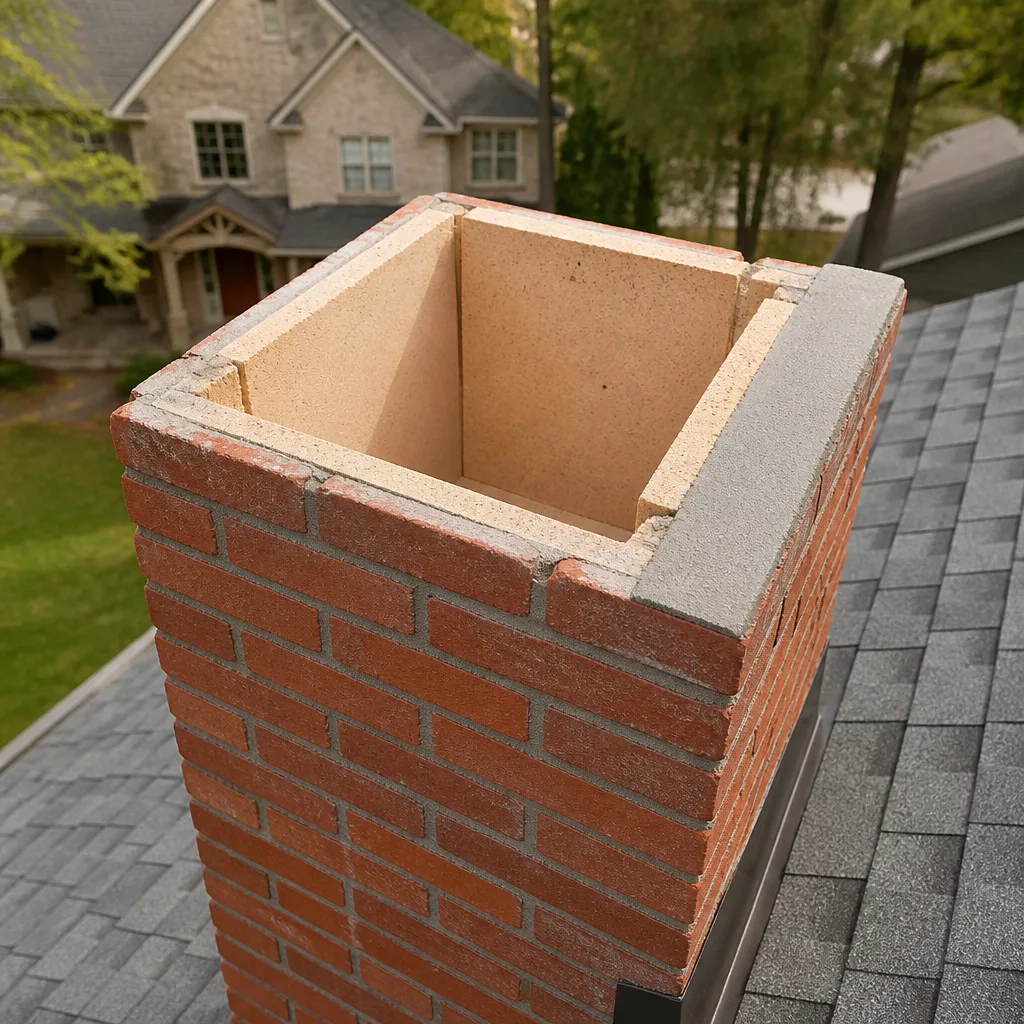 Flue relining
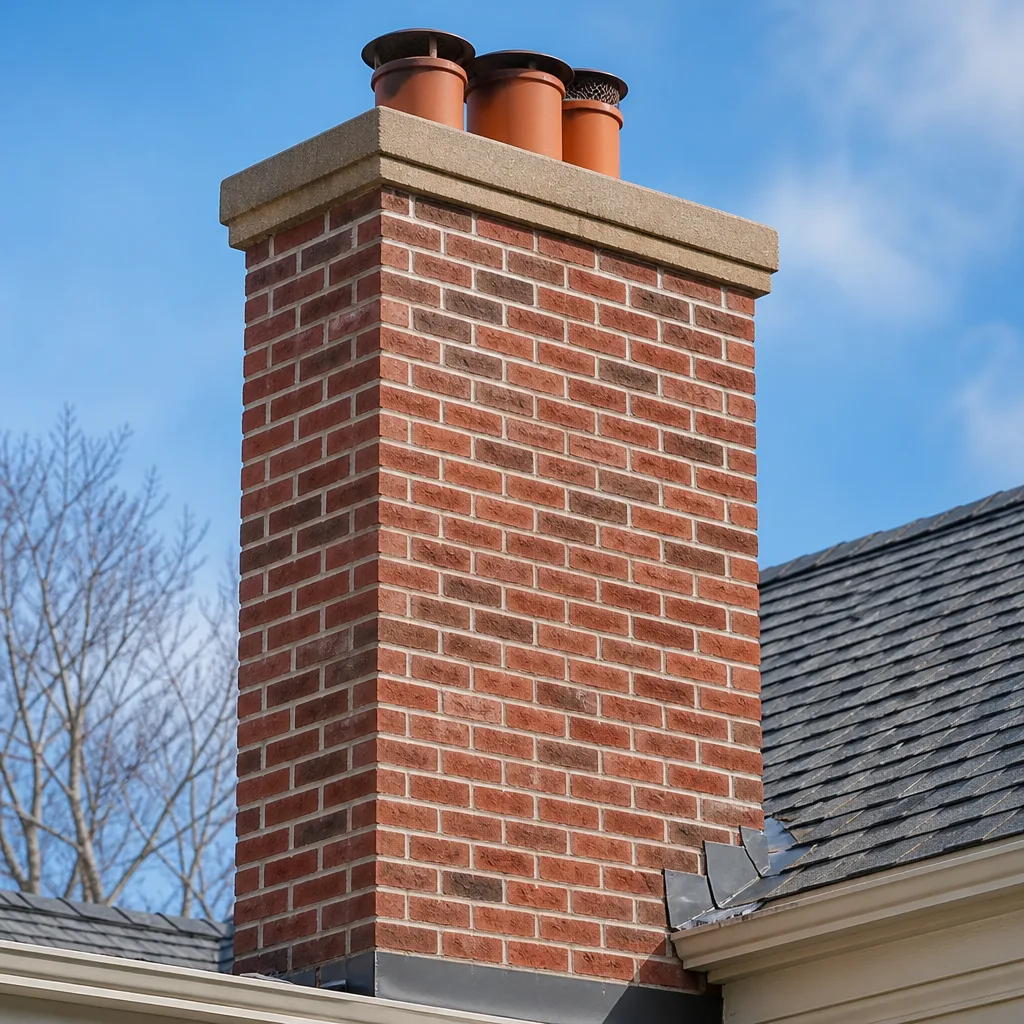 Masonry repair
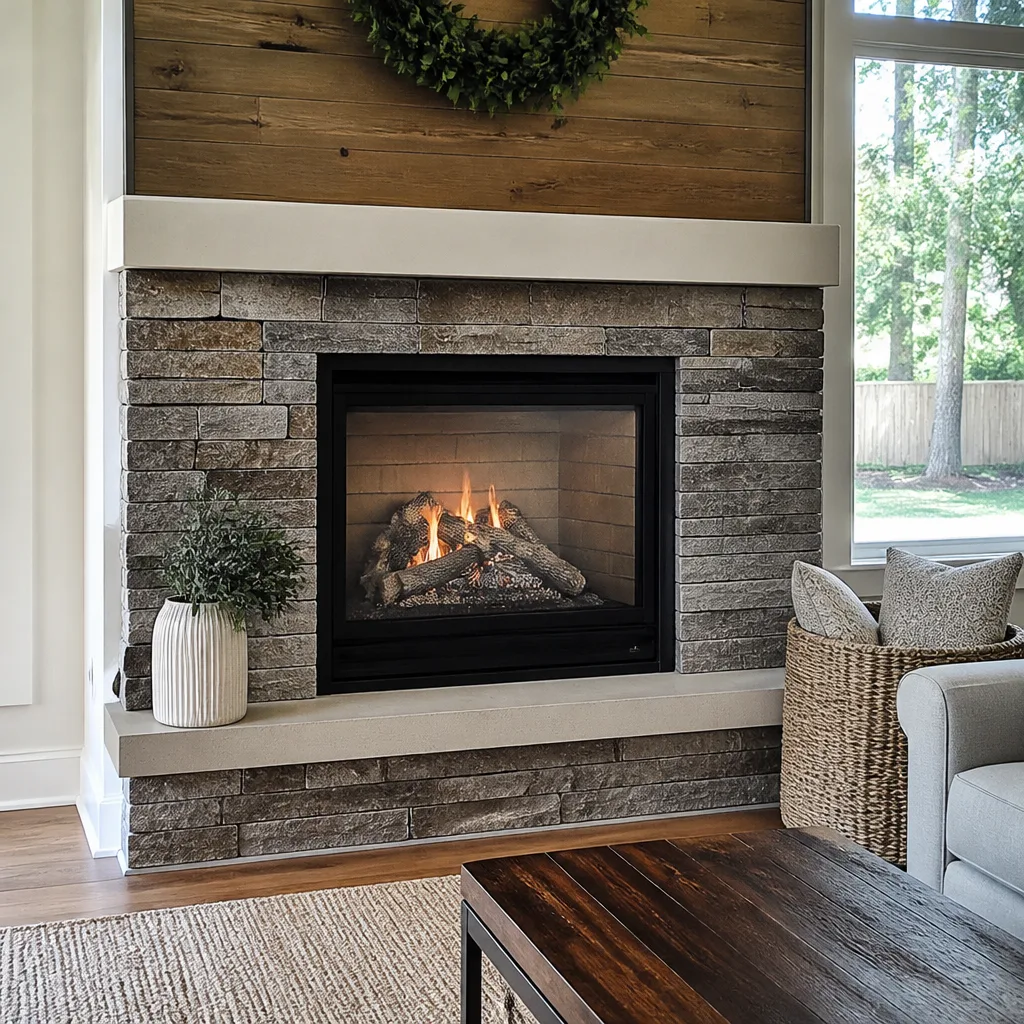 Gas fireplace service
Level 1 sweep and inspection to the NFPA 211 annual standard - flue, crown, cap, and flashing checked and photographed
Chimney sweep logs do not sweep chimneys. They loosen some creosote - which then falls where a brush and vacuum still have to collect it.
Chimney Sweep Maintenance Schedule: What to Do and When
Most homeowners in North Sacramento treat a chimney sweep the way they treat a dentist appointment: something you schedule once a year, vaguely, whenever you happen to remember it. But scheduling your sweep in January after a full burn season is like changing your oil after the engine light comes on. The damage you’re trying to prevent has already had months to accumulate. This guide walks you through a month-by-month maintenance calendar built around how chimneys actually age in a Central Valley climate, what separates a wood-burning fireplace from a gas insert when it comes to upkeep, and which tasks you can handle yourself between professional visits.
Styles & brands we work with
- Sweep & inspection
- Caps & crowns
- Flue relining
- Masonry repair
- Gas fireplace service
Quick Answer
A proper chimney maintenance schedule starts with a professional sweep and inspection in late summer, between August and September, before the first fire of the season. After that, you should do a light visual check of the cap, crown, and firebox once a month during burn season, remove ash from wood-burning units when it exceeds one inch, and schedule a second professional visit any time you notice drafting problems, visible creosote buildup, or water staining inside the firebox. Gas log sets and inserts still need an annual inspection, but their cleaning schedule differs from wood-burning fireplaces.
Table of Contents
- Why the Timing of Your Sweep Matters More Than the Sweep Itself
- The North Sacramento Month-by-Month Chimney Maintenance Calendar
- Maintenance Tasks for Wood-Burning Fireplaces
- Maintenance Tasks for Gas Log Sets and Gas Inserts
- Maintenance Tasks for Pellet Stoves
- What You Should Do Between Professional Visits
- How Sacramento Valley Summer Heat Affects Your Chimney
- Keeping a Chimney Maintenance Record
- Common Mistakes to Avoid
- When to Call a Professional
- Frequently Asked Questions
- The Bottom Line
Why the Timing of Your Sweep Matters More Than the Sweep Itself
The NFPA 211 standard says chimneys, fireplaces, and vents should be inspected at least once a year. What it doesn’t say is when. And here’s the thing: for most homes in North Sacramento, the conventional January sweep is timed wrong. By January, you have already burned for two to three months. Creosote has had time to build up on your flue walls. Any drafting problem that developed in November has been sending combustion byproducts into your living space for weeks.
Sweeping before the burn season, in August or September, changes the entire equation. You start the season with a clean flue, a verified draft, and the knowledge that your cap, crown, and liner are in working order. You’re not discovering a cracked flue tile in February when you need the fireplace most. You’re discovering it in September, when there’s still time to schedule a repair before the first cold night. That’s the difference between maintenance and crisis management.
The Sacramento Valley’s burn season runs roughly from October through March. Nights dip into the 40s and 30s, but days stay mild. That pattern means most people burn in the evening and overnight, then let the fireplace go cold during the day. This stop-start burning pattern is actually a creosote factory. The fire cools, creosote condenses on the flue walls, and the next evening’s fire reheats it without fully burning it off. Over a season, that cycle deposits a layer of flammable residue that a late-season sweep will find but cannot prevent.
We’ve also seen how the dry summer months in this valley affect masonry before the first rain even falls. More on that below, but the short version is this: a September sweep catches problems that an October rainstorm will turn into urgent repairs. If you live in a neighborhood with older homes, like the streets off Del Paso Boulevard or up toward the Arden area, the mortar and crown exposure matters even more.
The North Sacramento Month-by-Month Chimney Maintenance Calendar
Here’s a practical calendar for homeowners in North Sacramento. It assumes a wood-burning fireplace in regular use during the burn season. Gas-only households can skip the ash management steps but should still follow the visual inspection timeline.
August to September: The Pre-Season Sweep
- Schedule a professional chimney sweep and inspection. This is the single most important action of the year.
- Resolve any findings from the inspection: liner repair, cap replacement, crown sealing, or masonry pointing.
- Test your fireplace before you actually need it. Light a small fire on a mild evening and watch the draft.
- Check your carbon monoxide detectors and smoke alarms. Replace batteries if needed.
October: First Regular Fires
- Burn only seasoned hardwood. Unseasoned wood produces more creosote and less heat.
- Keep the firebox doors open or the screen closed, depending on your setup, and watch for any smoke spilling into the room.
- Note any unusual odors. A smell like a campfire in the house, even when there’s no fire, points to a drafting problem.
November through February: Peak Burn Season
- Remove ash from wood-burning fireplaces when it exceeds one inch in depth. Let it cool completely first, then dispose of it in a metal container kept outdoors, away from the house.
- Once a month, glance at the exterior cap and crown from the ground. Look for rust, missing sections of chase cover, or obvious cracking.
- Watch for any change in how the fire behaves. A lazy flame, smoke entering the room, or a fireplace that’s suddenly hard to light are all signs something has shifted.
- If you hear animals – scratching, chirping, or fluttering – coming from the flue, call a professional. A live animal in the chimney is a fire hazard and a mess waiting to happen.
March: Post-Season Assessment
- After your last fire of the season, take a close look at the firebox interior. Note any cracked firebrick or deteriorated mortar joints.
- Check the damper. It should open and close smoothly without sticking. A warped damper lets conditioned air escape all summer.
- If you noticed any issues during the season – drafting problems, odors, visible creosote – write them down now while they’re fresh.
April through July: The Monitoring Months
- Keep the damper closed when the fireplace is not in use. An open damper is a highway for hot air to enter your home in summer.
- Check the exterior masonry and crown after spring rainstorms. Water staining on interior walls near the chimney is the classic sign of a failing crown or flashing.
- Watch for efflorescence – a white, powdery residue on the brick. It means water is moving through the masonry.
- If you have a gas insert or gas log set, this is a reasonable time for a mid-year inspection, especially if you plan to use the unit for supplemental heat next winter.
Maintenance Tasks for Wood-Burning Fireplaces
Wood-burning fireplaces demand the most attention because they produce creosote, and creosote is the main fuel for chimney fires. A wood fireplace with regular use should be swept at least once per burn season, and more often if you burn daily, burn unseasoned wood, or notice any of the warning signs below.
Creosote builds in three stages. Stage one is a light, dusty soot that brushes off easily during a routine sweep. Stage two is a flaky, granular residue that looks like cornflakes and requires mechanical removal. Stage three is a hard, glossy tar that has essentially become fuel coating the inside of your flue. A chimney fire becomes possible at stage two and likely at stage three. The goal of routine sweeping is to catch creosote before it reaches the stage where it ignites.
Between professional sweeps, here’s what you can do:
- Burn only wood that has been split and seasoned for at least six months. In the North Sacramento area, that means wood cut in spring is ready for fall burning.
- Don’t overload the firebox. A roaring fire is impressive, but it’s also harder to control and produces more creosote as it smolders down.
- Keep the fire hot enough to establish a solid draft before damping it down. A smoldering, low-oxygen fire is the fastest way to build up creosote.
- Never burn wrapping paper, cardboard, or construction scraps. These burn hot and fast, can send embers up the flue, and leave behind residue that’s harder to remove than normal creosote.
A professional sweep for a wood-burning fireplace in North Sacramento typically takes about 45 to 90 minutes, depending on the level of buildup and the height of the chimney. The work includes removing creosote and soot from the flue, cleaning the smoke chamber and damper, removing ash from the firebox, and a visual inspection of the liner and masonry. Reputable sweeps will show you what they found, not just hand over an invoice. In our experience, that’s the difference between a sweep that leaves you with peace of mind and one that leaves you wondering what actually happened.
Maintenance Tasks for Gas Log Sets and Gas Inserts
Gas fireplaces are cleaner-burning than wood, but they still need annual attention. The failure points are different. Instead of creosote, you’re watching for soot buildup on the logs and burner, corrosion on the gas connections, and deterioration of the gaskets and seals that keep combustion gases out of your living space.
A gas log set – the kind that sits in an existing wood-burning fireplace – should be inspected once a year before the burn season. The technician will check the gas supply line for leaks, inspect the burner and control valve, clean the logs and ember bed, and verify that the damper is properly positioned to allow combustion gases to escape while preventing excessive heat loss. A common problem we see with gas log sets is a closed or partially closed damper, which sends carbon monoxide into the room instead of up the flue.
A gas insert is a sealed unit, which means it vents through a dedicated liner rather than the full masonry chimney. The maintenance concerns are similar but include specific attention to the blower fan if the unit has one, the glass gasket, and the termination cap on the outside of the house. Soot buildup on the glass or logs indicates an air-to-fuel ratio problem that needs adjustment, not just cleaning.
One maintenance point many homeowners miss: gas systems should have their exterior termination cap checked after major windstorms. The Central Valley gets strong gusts in the fall and spring, and a dislodged or damaged cap can let water, debris, or pests into the venting system.
Maintenance Tasks for Pellet Stoves
Pellet stoves are a different animal entirely. They burn compressed wood pellets at a controlled rate using an auger feed system and a combustion blower. The maintenance calendar is weekly during burn season, not just annual.
Weekly tasks during pellet stove season:
- Empty the ash pan. Pellet stoves produce fine ash that builds up quickly and affects burn efficiency.
- Wipe down the glass with a cleaner designed for stove glass. A dirty view glass is cosmetic, but excessive buildup suggests an airflow problem.
- Check the hopper for pellet dust, often called fines. Excess fines can jam the auger feed.
Monthly tasks:
- Clean the burn pot thoroughly. Remove any clinkers – hard, fused ash deposits that form from certain pellet types.
- Vacuum the ash from the interior firebox surfaces, being careful to use a vacuum designed for ash removal. Standard household vacuums can be damaged by fine ash.
- Inspect the door gasket. A failing gasket lets air into the combustion chamber in the wrong places, throwing off the burn.
Annually, before the burn season, the venting system should be cleaned and inspected. Pellet stove vents are typically horizontal or short vertical runs, and they can accumulate fine ash that restricts airflow. If you notice the flame burning lazily, pellets piling up in the burn pot, or a smell of unburned fuel, stop using the stove and have it serviced.
What You Should Do Between Professional Visits
You don’t need a degree in chimney physics to catch problems early. Most failures announce themselves in small ways before they become expensive repairs. Here are the checks worth doing yourself.
Monthly Visual Checks
- Look at the firebox interior. New cracks in firebrick, crumbling mortar joints, or a shifted firebox wall are all worth noting.
- Check the damper operation. It should move freely and seat completely when closed.
- Look at the chimney from the ground. Is the cap still in place? Is the crown showing new cracks? Is there any brick spalling – where the face of the brick flakes off?
- Check the area around the chimney inside the house. Stains on the ceiling, walls, or the floor near the fireplace indicate water intrusion.
After the Rain
Sacramento gets most of its rain between November and April, often in short but intense bursts. After any significant storm, take a look at the interior walls around your chimney and the ceiling directly above the fireplace. Fresh water staining means the flashing, crown, or masonry is letting water in. Interior water damage in North Sacramento homes is often traced back to chimney issues that went unnoticed for a season or two.
Draft Door Gasket Inspection
If your fireplace has glass doors with a gasket, check the gasket monthly during burn season. Close a dollar bill in the door and try to pull it out. If it slides out easily, the gasket is worn and allowing uncontrolled air into the firebox, which reduces efficiency and can create a smoke problem. Replacement gaskets are inexpensive, and many homeowners handle this task themselves with a gasket kit and high-temperature adhesive.
How Sacramento Valley Summer Heat Affects Your Chimney
The Central Valley’s summers are brutal, and they’re brutal on masonry. Daytime temperatures in North Sacramento regularly push into the 90s and low 100s from June through September. That sustained heat causes the materials in your chimney – brick, mortar, concrete crown, and clay flue tiles – to expand. At night, when temperatures drop into the 60s, those materials contract.
This repeated thermal cycling is a primary driver of masonry deterioration in our region. Mortar joints, which are more flexible than the bricks they hold together, are designed to handle some movement. But over years of extreme cycling, they develop hairline cracks. Those cracks widen. Eventually, water finds its way in during the rainy season, and the freeze-thaw damage that happens in colder climates isn’t even necessary. Here, it’s the heat cycling doing the damage in summer, and the rain capitalizing on it in winter.
The crown – the concrete cap at the top of the chimney – is especially vulnerable. A properly built crown has a slight slope that sheds water away from the flue, but age and thermal stress cause cracks that let water pool. Once water sits on the crown, it works its way into the masonry below, and you see the results as spalling brick, interior staining, or a deteriorating flue liner.
What this means for your maintenance schedule is simple: late summer is the right time for your annual inspection because it’s when thermal damage from the summer is visible but not yet compounded by winter rain. A crack found in September can often be sealed before the rainy season begins. The same crack found in February has already been leaking for three months.
Keeping a Chimney Maintenance Record
A maintenance record does three things. It helps you remember when the last sweep happened. It gives any future technician a baseline for how your chimney behaves. And if you ever sell your home, it’s concrete evidence that you maintained a system many buyers overlook. A simple notebook or a spreadsheet works fine.
Here’s a format that takes two minutes to fill out:
- Date of service: When the sweep or repair happened.
- Type of service: Routine sweep, inspection, repair, cap replacement, etc.
- Findings: Creosote level, liner condition, water intrusion, animal activity, drafting issues.
- Repairs completed: What was fixed, replaced, or resurfaced.
- Products used: For example, if a liner was replaced with a DuraFlex system or a flue was resurfaced with HeatShield, note it. This tells a future technician exactly what materials are in place.
- Next recommended service: The date your technician suggests for the next visit.
Keep the record wherever you keep your home maintenance files. If you switch chimney companies, hand it to the new technician. It saves them diagnostic time and keeps you from paying for the same inspection twice. If you sell your home, include it with your disclosure documents. A documented maintenance history is a selling point.
Common Mistakes to Avoid
- Scheduling the sweep in January out of habit. The right time for a pre-season sweep in North Sacramento is August or September. A January sweep catches problems after the damage is done.
- Burning unseasoned wood. Green wood produces more smoke, more creosote, and less heat. It’s the single biggest contributor to creosote buildup in residential chimneys.
- Treating a gas fireplace as maintenance-free. Gas units still need annual inspection. Carbon monoxide risk from a damaged vent or improper damper position is real, and it doesn’t announce itself with visible smoke.
- Ignoring a drafting problem. If your fireplace has always been a little smoky, that’s not a personality quirk. It’s a symptom of something wrong – a blocked flue, an undersized liner, or a negative pressure problem in the home.
- Closing the damper too soon after a fire. Wait until the fire is completely out and the embers are cold. Closing it too soon traps carbon monoxide in the home.
- Using the fireplace as a trash incinerator. Paper products, cardboard, and food waste burn unpredictably and leave residue that accelerates creosote formation.
- Forgetting the dryer vent. A clogged dryer vent is a house fire risk that has nothing to do with your fireplace but lives in the same maintenance conversation. Dryer vent cleaning should happen at least once a year, and more often if you do a lot of laundry or notice longer drying times.
When to Call a Professional
Some situations clearly require a trained technician rather than a homeowner’s inspection. If you smell smoke inside the house when no fire is burning, stop using the fireplace and call. If you see soot stains appearing on the wall above the fireplace or on the ceiling near the chimney, something in the venting path has failed. If you hear animals in the flue, don’t try to smoke them out – a live or dead animal needs professional removal. If your carbon monoxide detector sounds and you cannot identify another source, evacuate and have your gas appliances and chimney checked before re-entering.
For routine sweeps and inspections, Laurel Chimney Sweep offers free estimates throughout North Sacramento. We inspect before we sweep, and repair before we leave if you need it. Call (866) 282-7519 to schedule your pre-season sweep.
Frequently Asked Questions
A wood-burning fireplace in regular use should be swept at least once per burn season, ideally in August or September before the first fire. Gas fireplaces and inserts need an annual inspection but less frequent cleaning. Pellet stoves need weekly ash management and an annual venting system cleaning.
August or September is the best time to sweep in North Sacramento, because it clears creosote and identifies problems before the October-through-March burn season. A sweep in late summer also catches thermal damage from the Central Valley’s hot summers before winter rain turns it into a water intrusion problem. Call (866) 282-7519 for an exact quote – estimates are free.
Gas fireplaces need an annual inspection, but they don’t produce creosote and generally require less cleaning than wood-burning units. The inspection focuses on the gas connections, burner, logs, gasket seals, and venting path. Carbon monoxide risk from a damaged vent or improperly positioned damper is the main reason not to skip this.
Creosote builds up on the flue walls and becomes a fire hazard. A chimney fire can reach temperatures that crack flue tiles, melt mortar, and spread to the surrounding structure. Even without a fire, accumulated creosote and soot restrict the draft, which pushes smoke and carbon monoxide into the living space.
Signs include visible cracking or flaking in the flue, water staining inside the firebox, a chimney fire in the past, or a camera inspection that shows gaps or deterioration in the existing liner. A professional inspection with a camera is the only way to know for certain. If a liner is needed, we install DuraFlex liner systems, and in cases where the existing flue is compromised but not structurally failed, HeatShield resurfacing can restore it without a full rebuild.
Yes. A routine sweep in North Sacramento costs a fraction of what a chimney fire or water-damaged masonry repair costs, and it’s the only way to inspect the interior of the flue, where the most serious problems hide. The estimate is free and the written estimate sets the exact price before any work begins. Call (866) 282-7519 to schedule service.
The Bottom Line
A once-a-year sweep is a baseline, not a complete maintenance strategy. The right approach for North Sacramento homeowners is a pre-season professional sweep in August or September, monthly visual checks during burn season, proper ash management for wood-burning units, and a maintenance record that tracks findings and repairs over time. Gas and pellet systems have their own schedules and failure points, and none of them are truly maintenance-free. The goal is simple: go into every burn season with a clean, inspected, verified chimney, and you won’t spend the winter wondering what’s happening inside your flue.
Written by the team at Laurel Chimney Sweep, serving North Sacramento since 2013.
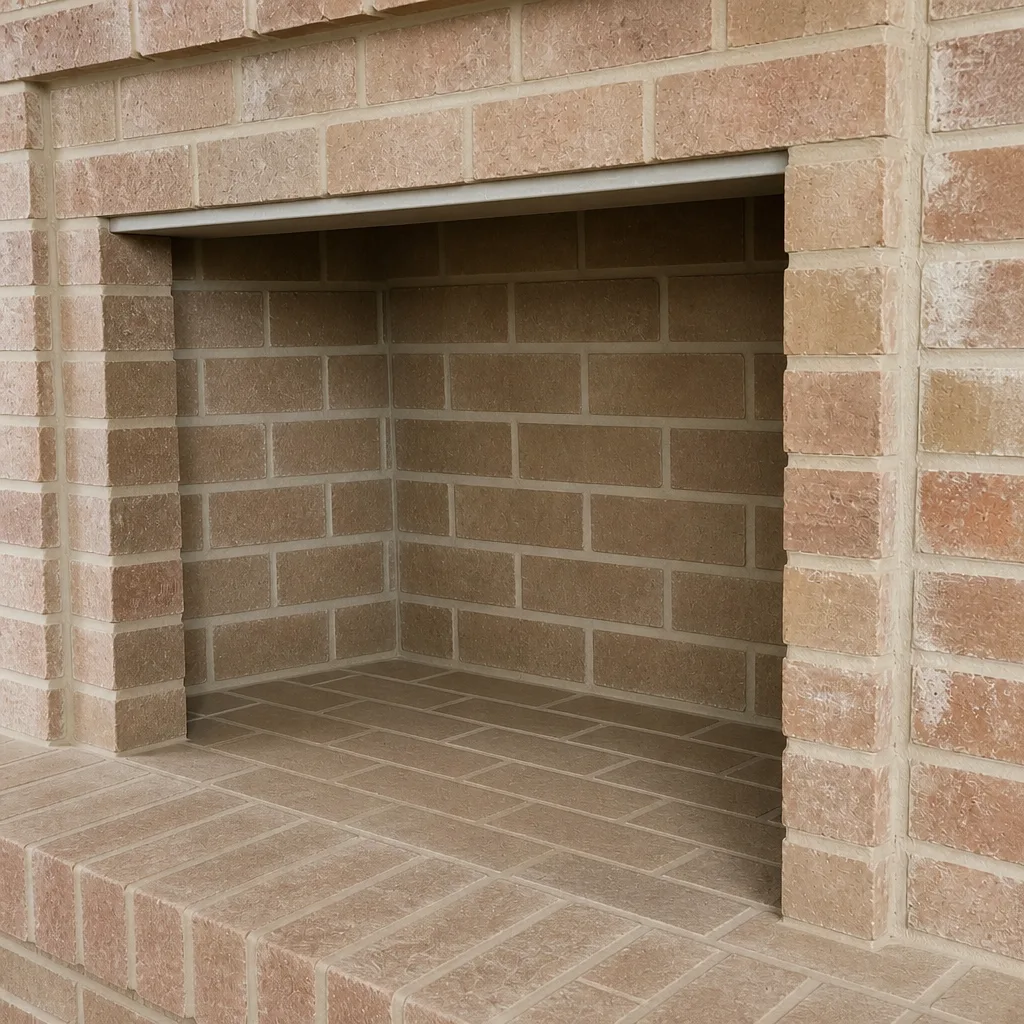
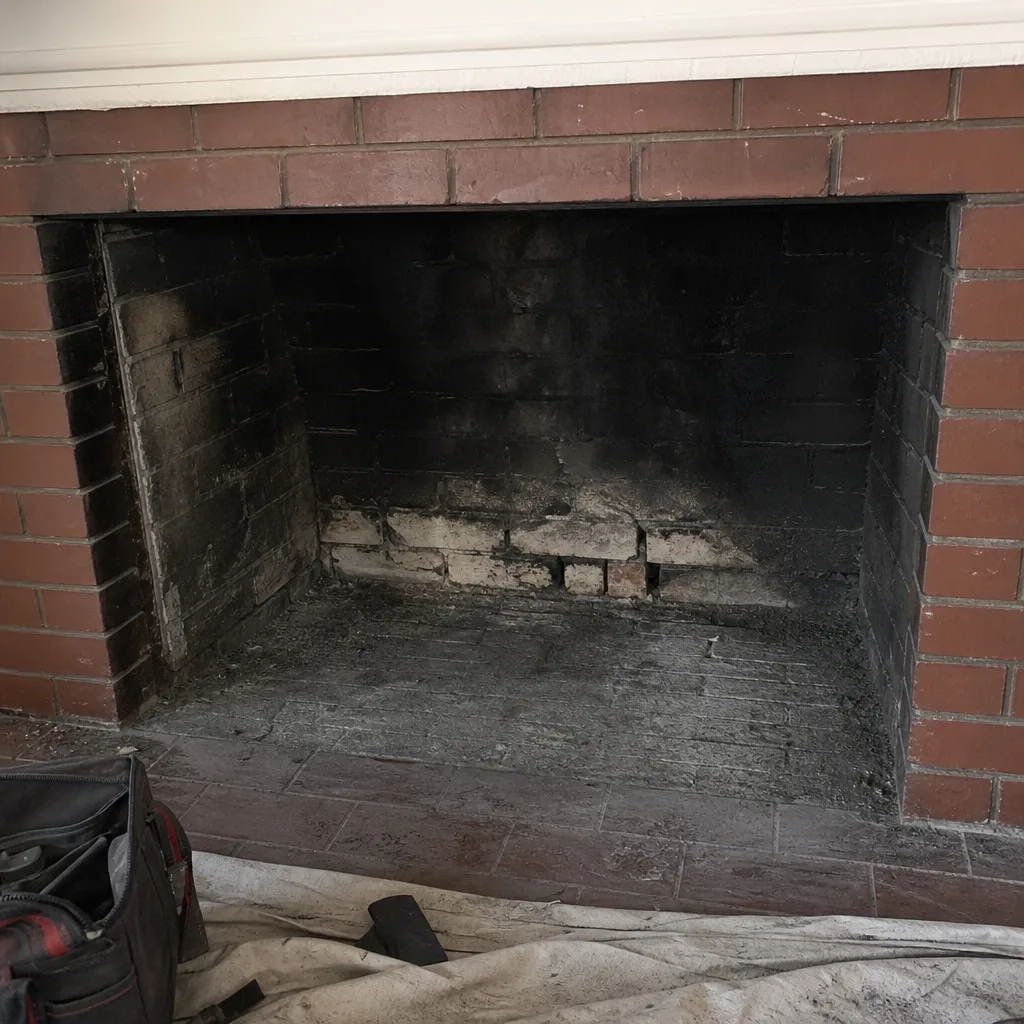
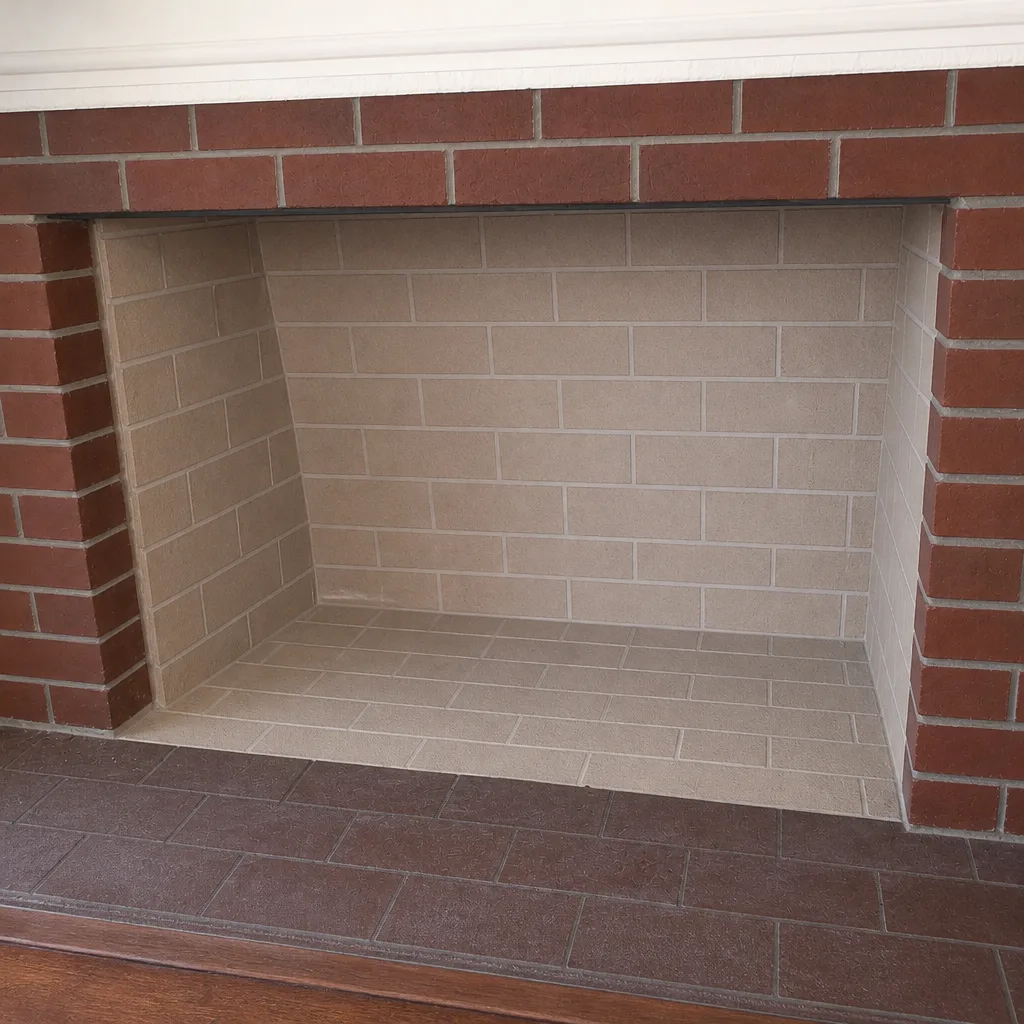
See the difference
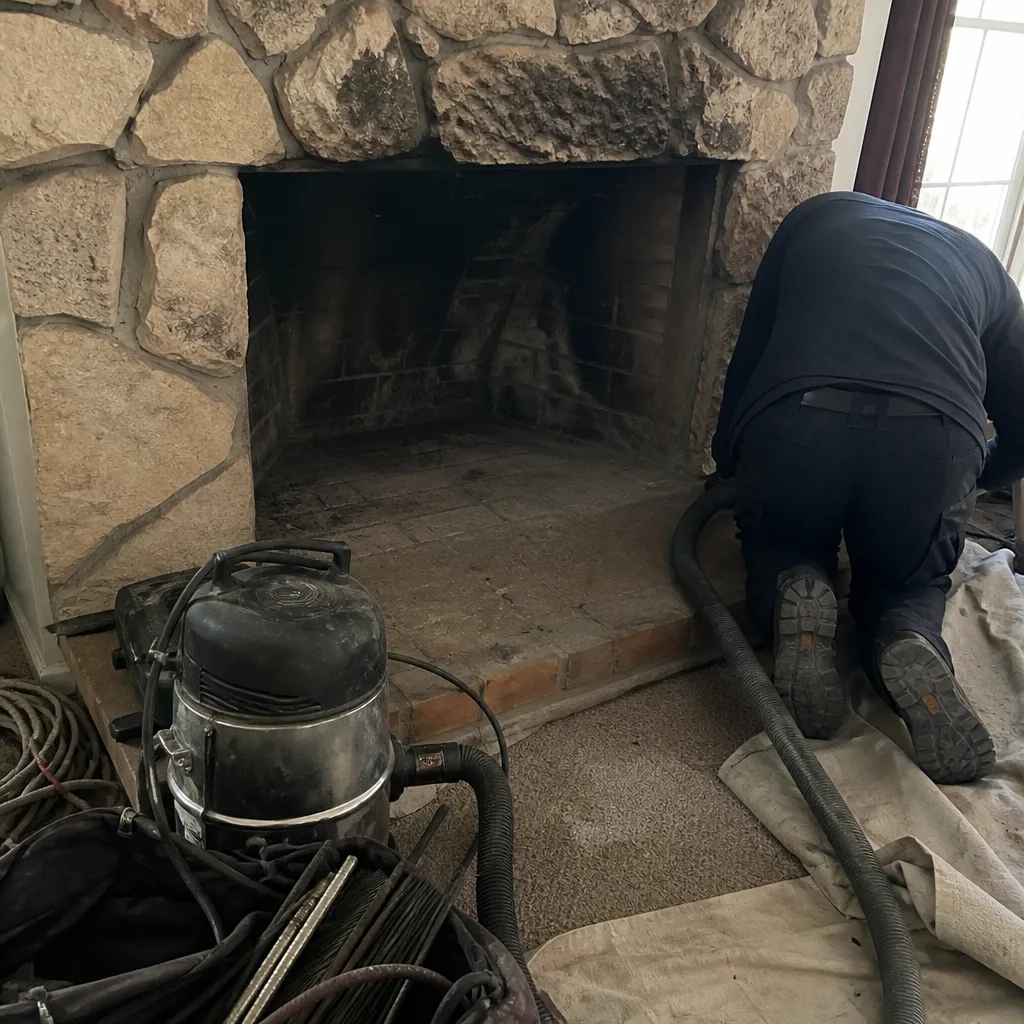 Before
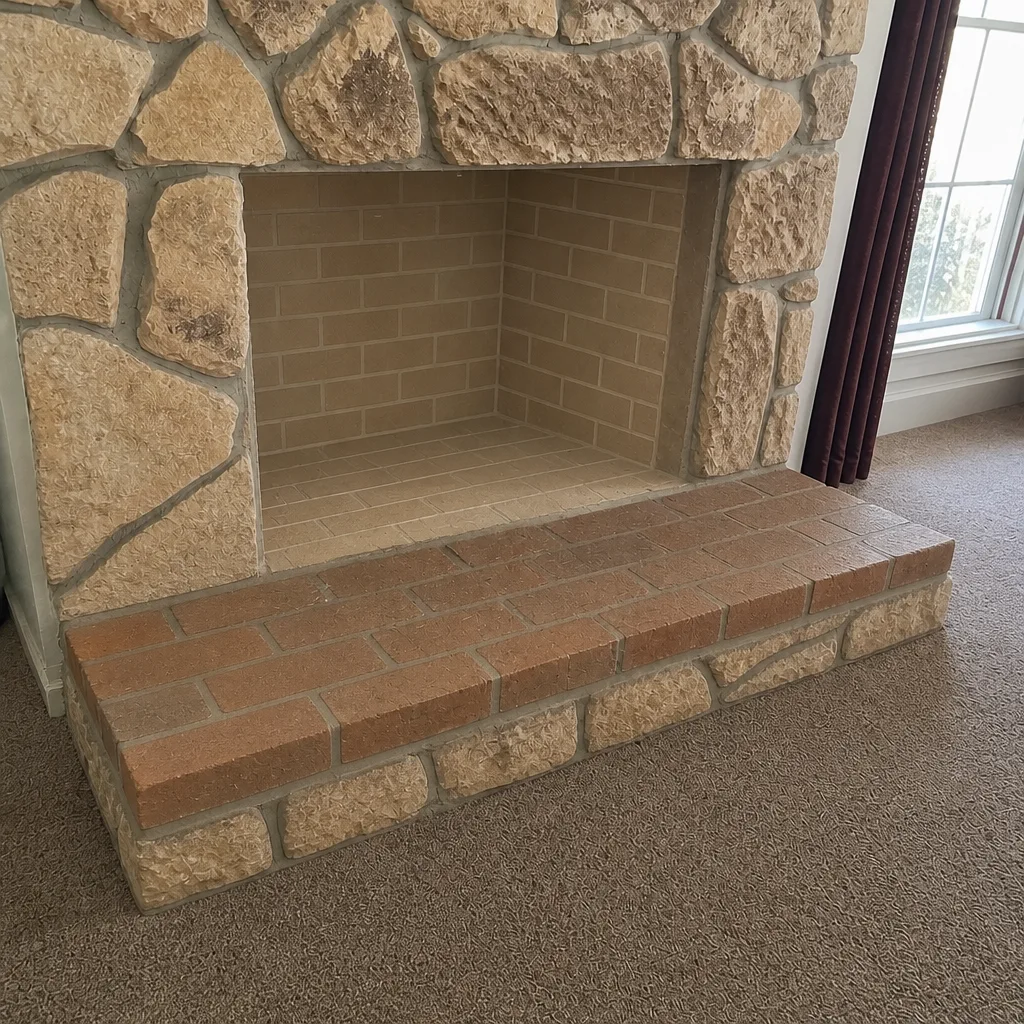 After
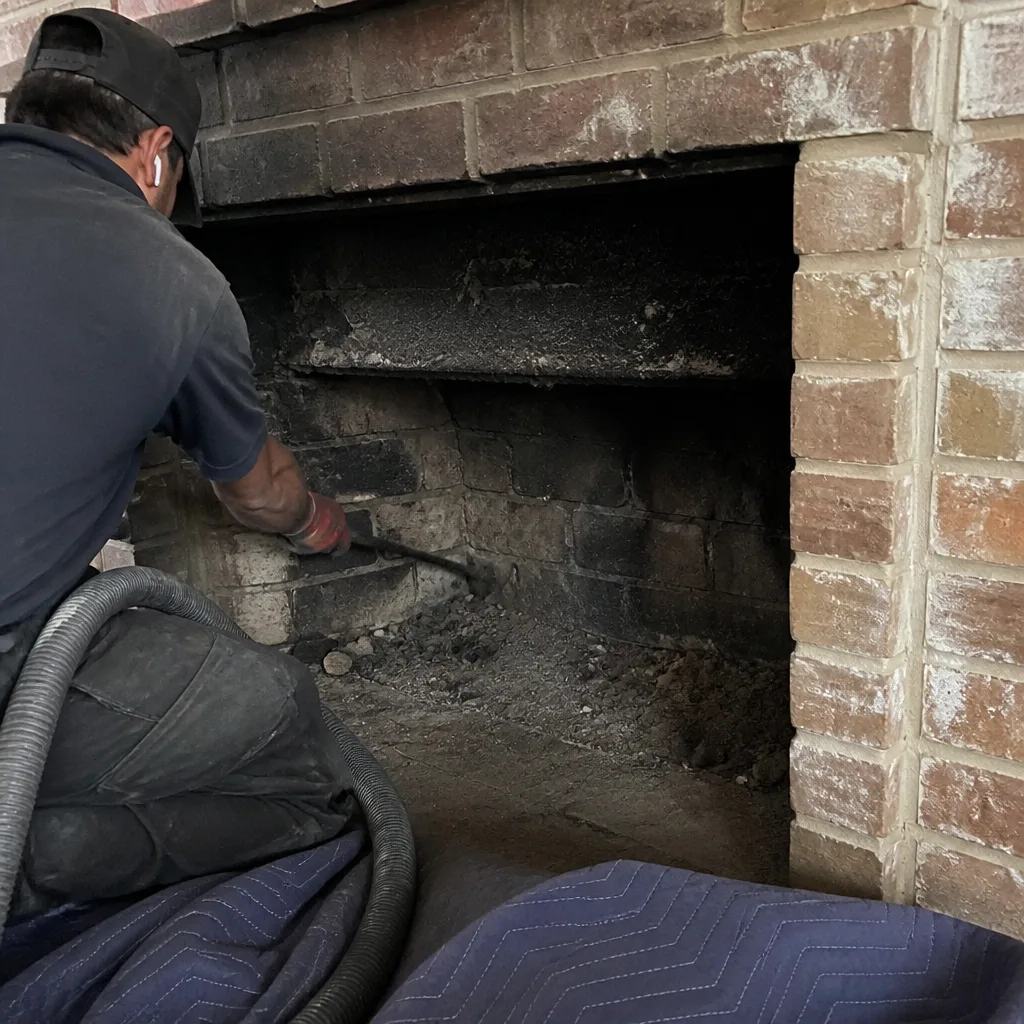 Before
 After
 Before
 After