
Last updated November 4, 2026
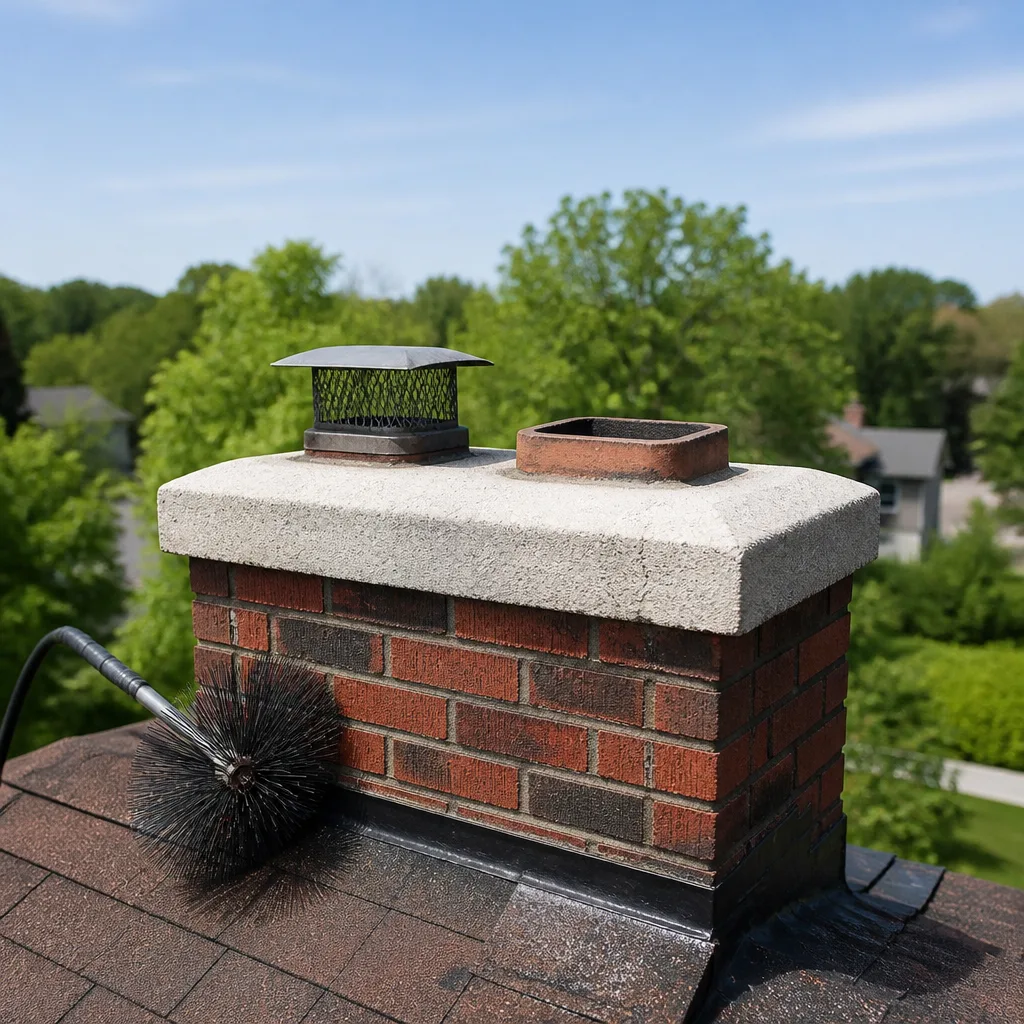 Sweep & inspection
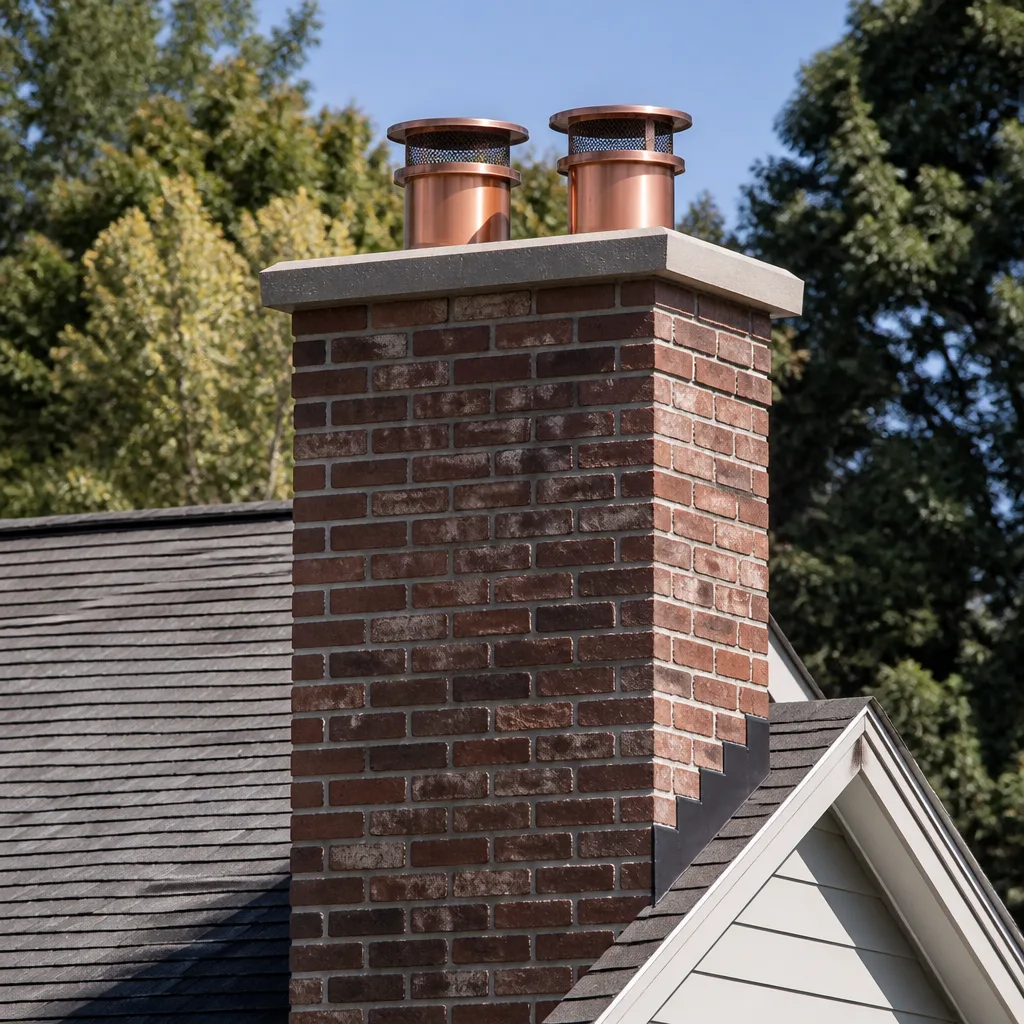 Caps & crowns
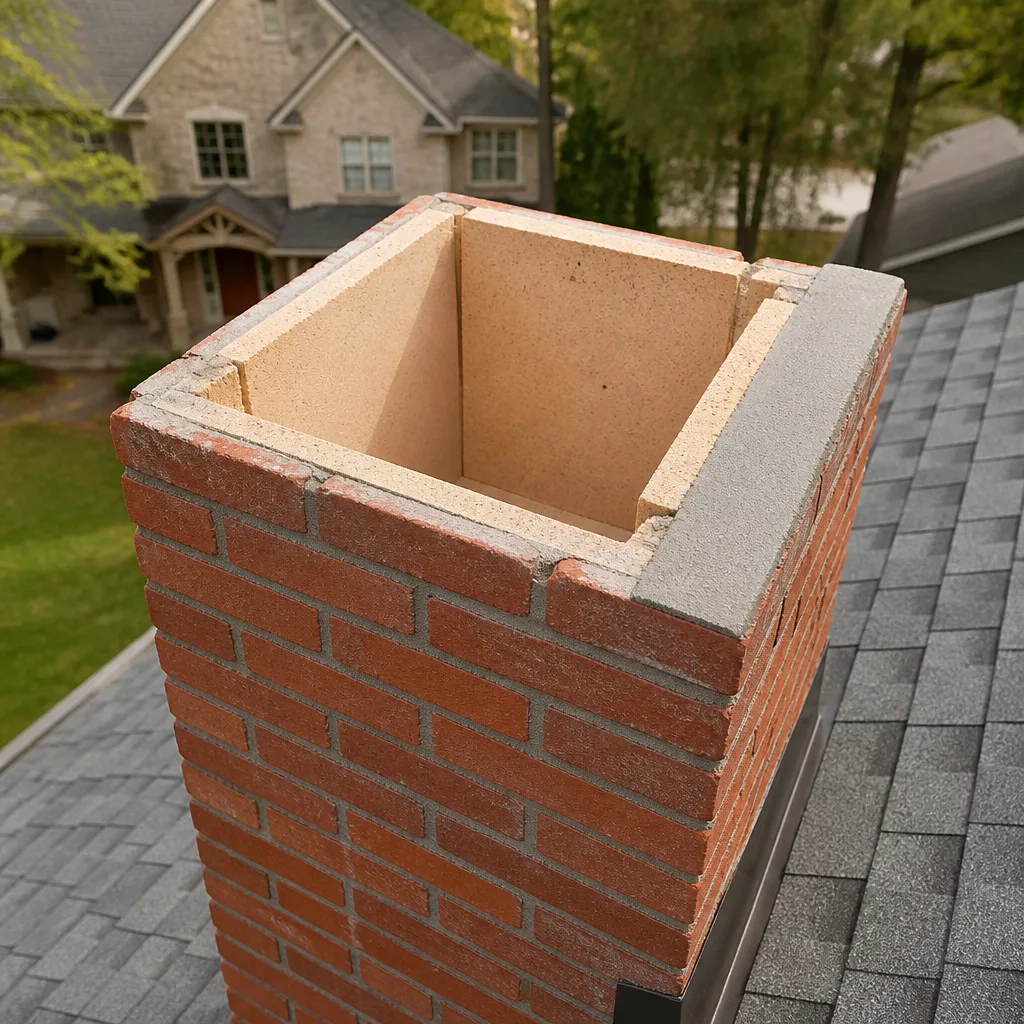 Flue relining
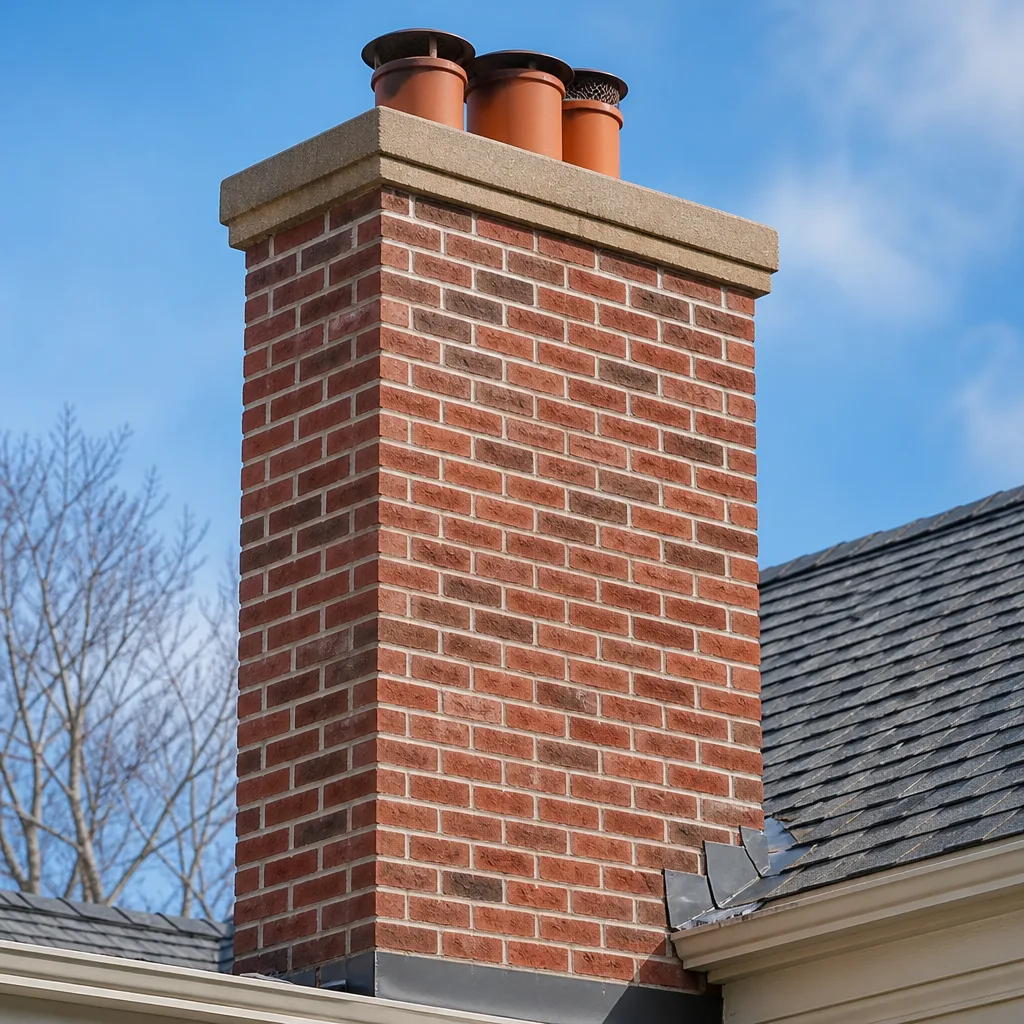 Masonry repair
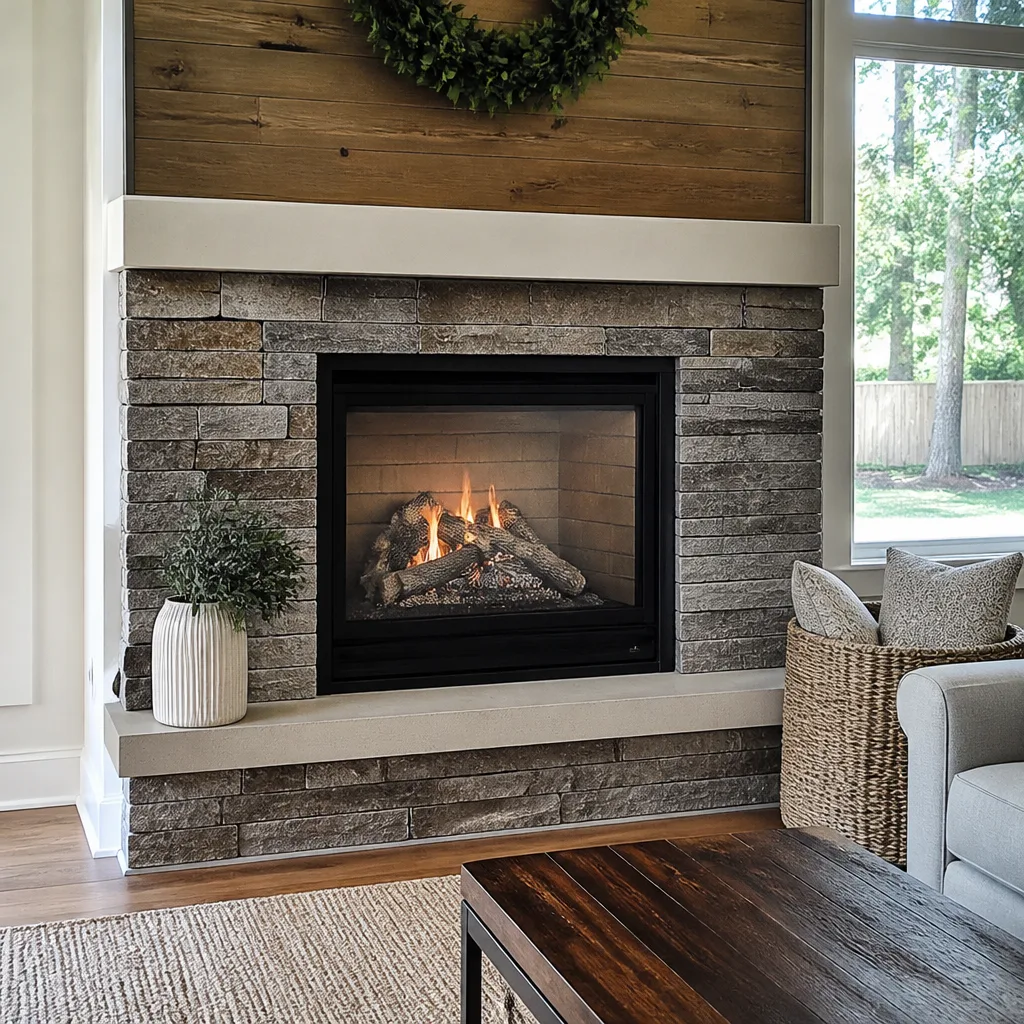 Gas fireplace service
Level 1 sweep and inspection to the NFPA 211 annual standard - flue, crown, cap, and flashing checked and photographed
Chimney sweep logs do not sweep chimneys. They loosen some creosote - which then falls where a brush and vacuum still have to collect it.
Chimney Sweep Troubleshooting in North Sacramento: Common Problems and How to Fix Them
If smoke is backing into your living room, the instinct is to open a window – but that’s the wrong fix for at least three of the six most common chimney draft failures, and doing it repeatedly can accelerate creosote buildup inside your flue. A smoky fireplace is not one problem with one cause. It is a symptom, and the underlying condition determines whether you need a simple cleaning, a liner repair, or something in between. This guide walks you through how to read your chimney the way a chimney sweep would: by identifying the specific warning signs, understanding what they mean in a North Sacramento home, and knowing when a fix is safe to attempt and when it isn’t.
Quick Answer
Most chimney problems in North Sacramento fall into one of six categories: flue obstruction, negative house pressure, an undersized flue, creosote buildup, moisture damage, or structural wear in the liner and smoke chamber. A smoky fireplace usually points to one of the first three. A strong campfire smell or visible tar-like glaze points to creosote. White staining on the brick outside or crumbling mortar joints points to moisture. Each has a different fix and a different cost, which we’ll break down section by section.
Styles & brands we work with
- Sweep & inspection
- Caps & crowns
- Flue relining
- Masonry repair
- Gas fireplace service
Table of Contents
- Why Smoke Backs Up: Draft Failure vs. Obstruction vs. Flue Size
- How to Identify Stage 1, Stage 2, and Stage 3 Creosote
- What Spalling, Cracked Crowns, and Smoke Chamber Damage Look Like
- North Sacramento Climate: Tule Fog, Cold Mornings, and Sluggish Drafts
- DIY Clean vs. Professional Inspection vs. Liner Repair: Decision Criteria
- Chimney Odors and Why They Happen Even When You Don’t Use the Fireplace
- The Dryer Vent Connection: A Second Fire Risk Most People Overlook
- Common Mistakes to Avoid
- When to Call a Professional
- Frequently Asked Questions
Why Smoke Backs Up: Draft Failure vs. Obstruction vs. Flue Size
When smoke enters the room instead of going up the chimney, a technician is asking one question: is the flue pulling air, and if not, why? The answer is almost always one of three things. A blocked flue means something is physically in the way. Negative house pressure means the chimney is trying to pull, but the house is fighting it. An undersized flue means the chimney never had the capacity to move that much smoke in the first place. These are completely different problems with completely different fixes and price tags.
1. Flue Obstruction
An obstruction is the most straightforward cause and the one homeowners most often guess correctly. Creosote buildup can narrow the flue passage until smoke can’t move at the volume the fire produces. Animals nesting in an uncapped chimney – squirrels in the Valley are persistent about this – can block it entirely. Leaves, twigs, and sometimes an entire bird’s nest create a plug. The telltale sign is smoke backing up immediately when the fire gets going, even with the damper fully open. A quick flashlight look up the flue from inside the firebox often confirms it. The fix is a professional cleaning, and if there’s no cap, installing one to prevent the next build-up.
2. Negative House Pressure
This is the one opening a window actually helps, which is why people keep doing it. Modern North Sacramento homes are built tight. Range hoods, bathroom fans, and the furnace all pull air out of the house. When too many exhaust appliances run at once, or when the house is sealed up on a still day, the chimney becomes the path of least resistance for makeup air. Air flows down the chimney instead of up it, pushing smoke into the room. The fix is not always permanent – sometimes it means adjusting when you run the furnace or opening a window near the fireplace. But recurring backdrafting on calm days with multiple appliances running usually calls for a combustion-air source or a professional assessment of the venting configuration.
3. Undersized Flue
Some chimneys were built for a smaller firebox or a different appliance than what’s now in use. If the flue tile is six inches but the fireplace is designed for an eight-inch flue, the smoke literally doesn’t fit. The fire chokes, smoke spills over the lintel, and no amount of cleaning fixes it. This is a design problem, not a maintenance problem. The solution is usually a correctly sized liner system – we work with DuraFlex flexible liner systems for exactly this scenario – installed to match the appliance’s draft requirements. This is a repair job, not a sweep, and it’s why a diagnostic eye matters. A technician who only cleans will keep cleaning. A technician who diagnoses will tell you the flue is too small and show you why.
Key takeaway: obstruction and negative pressure are the two most common causes of smoke backing up in North Sacramento homes. Flue size is less common but critical to rule out before spending money on repeated cleanings.
How to Identify Stage 1, Stage 2, and Stage 3 Creosote
Creosote is the residue left behind when wood smoke condenses on the inside of the flue. It is not just soot. Depending on temperature, burn efficiency, and moisture content of the wood, creosote forms in three distinct stages. Each looks different, smells different, and carries a different risk level. Knowing which stage you have tells you whether you have a routine maintenance task or an emergency.
Stage 1: Flaky Soot
Stage 1 creosote is mostly soft soot with a small amount of creosote mixed in. It looks like fine black dust or loose flakes, and it brushes off the flue walls easily with standard sweeping tools. It has a mild campfire smell but nothing severe. This is normal buildup from regular burning. If this is what you see when you shine a light up the flue, a standard cleaning is all that’s needed, usually once a year for a fireplace that gets regular use in the fall and winter months in North Sacramento.
Stage 2: Crunchy Tar Flakes
Stage 2 creosote has condensed into visible, shiny black flakes that look a little like cornflakes. They are harder than Stage 1 and don’t brush off with a standard sweep alone – the technician needs rotary tools or chemical treatment to break them down. The smell is stronger, more like an old campfire that never quite aired out. Stage 2 is not an emergency, but it should not wait another season. It indicates the fire has been burning too cool or the wood has too much moisture content, and the chimney is becoming a more serious fire risk.
Stage 3: Tar Glaze
Stage 3 creosote is a hard, glossy, tar-like coating that looks like black glass or melted plastic. It can drip down the flue walls and re-ignite. It is extremely difficult to remove and requires chemical treatment and mechanical removal, sometimes over multiple visits. If you see any shiny, hardened deposit inside the flue, or if the flue smells strongly of tar even when cold, stop burning until a professional has assessed it. Stage 3 is the only creosote condition that calls for immediate action. The risk of a flue fire is real and the clearance between a working fireplace and a house fire is thinner than most people think.
We inspect before we sweep – the first thing we determine is what stage of creosote we’re dealing with, because that determines the method, the tools, and the urgency. A Stage 1 flue is a maintenance visit. A Stage 3 flue is a stop-burning-now call.
What Spalling, Cracked Crowns, and Smoke Chamber Damage Look Like
You can spot a lot of what’s wrong with a chimney without ever climbing a ladder. The firebox and the lower flue tell a clear story if you know what to look for. Three conditions in particular – spalling, cracked crowns, and smoke chamber deterioration – account for most structural chimney repairs in the Sacramento Valley, and each leaves visible evidence.
Spalling Brick and Mortar
Spalling is what happens when water gets into the brick or mortar and the surface starts to flake or pop off. Inside the firebox, you’ll see thin slivers of brick or mortar lying on the floor after a cleaning. On the exterior, the brick face looks pitted or chipped, and the mortar joints may be receding. Spalling is a moisture problem, and moisture in a chimney is usually getting in through a missing or failing cap, a cracked crown, or – less commonly in North Sacramento’s relatively dry climate – long-term water exposure from roof runoff. The fix is not just repointing the masonry. You have to stop the water at the source first.
Cracked or Deteriorated Crown
The crown is the concrete slab on top of the chimney that sheds water away from the flue. It takes direct sun, rain, and in North Sacramento the occasional prolonged damp spell during late fall and winter. When it cracks, water follows the crack downward into the chimney structure. You may not see the crack from the ground, but you’ll see the evidence: white mineral staining on the brick below the top, crumbling mortar, or a persistent musty smell from the firebox after rain. A cracked crown is a repair job. Left alone, the water eventually damages the liner and the smoke chamber.
Smoke Chamber Damage
The smoke chamber is the angled section that funnels smoke from the firebox into the flue. Over time, the exposed mortar here degrades from heat and age. Shine a flashlight up from the firebox while standing inside it (drop cloth on the floor first) and look for gaps between the corbeled bricks, missing mortar, or hazy white residue. If you see these, the chamber is not moving smoke as smoothly as it should, and the risk of heat transfer through the gaps to surrounding framing goes up. We repair smoke chambers with HeatShield resurfacing – a method that can restore this surface without removing the entire chimney. HeatShield as an alternative to costly full rebuilds is one of the repair options we reach for because it’s proven and specific to flue restoration.
North Sacramento Climate: Tule Fog, Cold Mornings, and Sluggish Drafts
North Sacramento sits in the Central Valley, and the Valley has a weather pattern that creates a very specific chimney symptom: cold flue sluggishness. When tule fog settles in during late fall and early winter, the air outside is dense, still, and cold. The chimney flue is also cold – sometimes for days at a time. Cold air sits in the flue like a plug. When you light a fire, the warm smoke hits that cold column and loses its lift immediately. Smoke backs up for the first few minutes, not because anything is blocked, but because the flue hasn’t warmed enough to establish a draft.
This mimics a blockage, and many homeowners assume something is wrong with the chimney. The test is simple: does the smoke back up when the chimney is cold and then start drawing once the fire has been going five or ten minutes? A cold-flue problem improves on its own. A true obstruction does not. You can pre-warm the flue by holding a lit piece of rolled newspaper up near the open damper for thirty seconds before lighting the main fire. If that fixes the problem, you have a cold flue, not a dirty one.
The tule fog period is also when creosote accumulates fastest, because the fires burn lower and cooler. Stage 2 and Stage 3 buildup is more common in the foggy months than in the dry heat of summer. If you burn through fog season, plan to have the flue checked before the next burn season begins, even if you had it swept the year before.
DIY Clean vs. Professional Inspection vs. Liner Repair: Decision Criteria
There is a real difference between what you can do safely and what needs a trained technician, and the line is not where most homeowners think it is. Here’s the decision framework we use with our own customers in North Sacramento.
- You see loose, flaky Stage 1 soot and the chimney draws fine. This is the only condition where a homeowner who knows what they’re doing might handle a basic cleaning with a brush and drop cloths. Even then, we recommend a professional camera inspection at least every other year, because your eyes can’t see the upper flue or the inside of the smoke chamber.
- You see Stage 2 creosote or any glaze-like deposit. This needs a professional with rotary cleaning tools. Do not attempt this with a hardware store brush. It won’t remove the buildup, and you’ll knock debris loose without clearing it, which can create a blockage.
- You see spalling, cracked mortar, or white staining. This is a repair diagnosis, not a cleaning decision. A camera inspection will tell you whether the liner has been compromised. If the liner has gaps or cracks, a DuraFlex liner system or HeatShield resurfacing is the fix, and this is definitely not a DIY project. A damaged liner is a direct fire and carbon monoxide risk.
- You smell smoke or tar even when the fireplace hasn’t been used in weeks. This is usually a negative pressure or moisture issue. The fix involves identifying where air or water is moving through the system. It’s a diagnostic call, not a cleaning call.
- You have a gas fireplace or gas appliance venting through the chimney. Gas flues carry carbon monoxide risk. Any smell, any sooting, any change in the flame color on a gas log set warrants a professional inspection. Do not try to fix a gas vent issue yourself.
What determines the cost is the underlying condition, not the cleaning itself. A blocked flue might be a $75 to $150 sweep. A cracked liner might be $1,200 to $2,500 for a liner system repair. That spread is exactly why the diagnostic step matters. We help customers look at the evidence in the firebox and on the flue walls before they spend anything on a repair quote.
Chimney Odors and Why They Happen Even When You Don’t Use the Fireplace
A chimney that smells when cold is not just annoying. It’s telling you something about moisture, airflow, or buildup. The three most common cold-chimney smells in North Sacramento are campfire, tar, and damp must, and each points to a different issue.
A campfire smell on a warm day usually means creosote is holding the scent and the house is drawing air down the flue – negative pressure again. A tar or asphalt smell means Stage 3 creosote is present and the flue is warmer than the outside air, releasing volatiles. A damp, musty smell after rain usually means water is getting in through the crown or cap, and you’ll likely see staining or spalling to confirm it.
The fix depends on the smell. A cleaning handles the campfire and tar odors if they’re caused by buildup. A rain cap or crown repair handles the moisture smell. If the odor persists after a cleaning, look at negative pressure and at whether the chimney cap is properly sized. And if the smell is sweetish and smoky but you have a gas appliance, call someone. Gas vent odors can indicate improper venting, and that is a carbon monoxide question, not a housekeeping question.
The Dryer Vent Connection: A Second Fire Risk Most People Overlook
While thinking about the chimney, take thirty seconds to think about the other vent in your house. Dryer vents are the leading cause of residential fires that no one talks about, because the lint buildup is invisible and the vent is usually in a wall or the attic. In North Sacramento, where dry dust accumulates quickly, a dryer vent that hasn’t been cleaned in three or four years is often more dangerous than the chimney.
We do dryer vent cleaning alongside chimney work because both are fire risks in the same house, and both respond to the same neglect pattern. The signs are obvious once you know them: clothes take longer to dry, the dryer feels hot to the touch on the outside, the lint screen doesn’t catch much but the vent hood outside is packed, or the laundry room smells like hot dust when the dryer runs. Any of these means airflow is restricted. Lint is highly flammable. The fix is a vent cleaning and usually a new vent hood if the old one is damaged or restrictive.
This is a maintenance item, but it’s one most homeowners skip for years. If you use your dryer heavily and haven’t had the vent checked, it’s worth doing at the same time as your chimney sweep. One visit, two fire risks checked. Laurel Chimney Sweep handles both under one roof.
Common Mistakes to Avoid
- Opening a window to fix smoke backing up before knowing the cause. This can temporarily improve a negative pressure problem, but if the flue is obstructed or undersized, it does nothing, and the repeated cooling of the flue surface accelerates creosote condensation. Diagnose first.
- Burning softwood like pine to “clean out” the chimney. Softwood creates less creosote than some hardwoods, but burning hot to burn off creosote is a myth. Once creosote is on the flue walls, only mechanical or chemical removal takes it off. A hot fire can ignite an existing creosote deposit, which is exactly what you don’t want.
- Assuming a one-time sweep fixes a recurring draft problem. If the flue was clean and the smoke still backed up, the issue was never creosote. It’s pressure or sizing. A second sweep without a diagnosis is throwing money at the wrong problem.
- Waiting for the tule fog to clear before checking the chimney. Fog season is when you most need and most use the fireplace. Check the flue before fog season starts, not during it, because the cold, damp conditions are when the chimney is working hardest.
- Ignoring a musty smell after rain because “it’s just a chimney.” That smell is water getting in, and water turns minor mortar wear into a structural repair faster than most people in a dry climate realize. A $200 crown repair today is cheaper than a smoke chamber rebuild later.
- Using a gas log set to “get heat” out of a fireplace designed for wood without checking the flue. Gas burns cleaner, but the flue still needs to be correctly sized and free of debris. A gas appliance venting into a flue with old creosote or a damaged liner is introducing combustion byproducts into a compromised channel.
- Never checking the dryer vent because it’s in a different category from the chimney. Lint is the same class of fire risk as creosote. If you clean one, check the other. We see this overlooked more often than we see neglected chimney caps.
When to Call a Professional
Call a chimney professional when you see Stage 2 or Stage 3 creosote, when smoke backs up every time you light a fire, when you see spalling or white staining inside the firebox, when the flue smells like tar or damp even cold, or when you haven’t had a camera inspection in more than two years. These are not the conditions where you want to brush and hope. A camera inspection will answer questions you can’t answer from the ground, and in many cases the fix is less expensive than the problem it prevents. Laurel Chimney Sweep offers free estimates in North Sacramento – call (866) 282-7519. We answer 24/7. Fast dispatch from 7am to 7pm, Sunday through Friday.
Frequently Asked Questions
That pattern usually points to a cold flue. Cold air sits in the chimney and blocks the draft until the flue warms up, which is especially common in North Sacramento during tule fog season. Try pre-warming the flue by holding a rolled, lit newspaper near the damper for thirty seconds before lighting the fire. If the smoke still backs up after the fire has burned for ten minutes, the cause is more likely an obstruction or negative pressure, and a camera inspection will identify which.
A standard cleaning typically runs in the range of $150 to $300, depending on the flue condition and whether it’s a wood or gas system. Stage 2 or Stage 3 creosote removal costs more because of the extra mechanical work and chemical treatment involved. The written estimate sets the final price after we’ve looked at the flue, and estimates are free. Call (866) 282-7519 for an exact quote.
That depends on the liner’s condition, which a camera inspection shows clearly. Minor surface wear can sometimes be addressed with HeatShield resurfacing, which we apply as a cost-saving alternative to full replacement. If the liner is cracked or has gaps, a new DuraFlex liner system is the safe fix. A damaged liner is a fire and carbon monoxide risk, so this is not a place to defer a recommendation.
For a wood-burning fireplace used regularly through fall and winter in North Sacramento, once a year is the right interval, ideally before the burning season starts. If you burn through fog season or use the fireplace heavily, twice a year is not excessive. Gas fireplaces can go longer between cleanings but still benefit from an inspection every one to two years.
Creosote builds up in stages, and by the time it reaches Stage 2 or Stage 3, the flue is a fire risk and the cleaning becomes more involved and more costly. Thin layers of Stage 1 soot brush off quickly. Thick, glazed Stage 3 deposits require chemical and mechanical removal and can’t be handled in a standard visit. The longer it sits, the more surface it bonds to and the harder it is to remove.
We diagnose, clean, and repair under the same roof. If a sweep turns up a cracked crown, a damaged smoke chamber, or a liner that’s past its service life, we can often quote the repair on the spot and schedule it directly. That’s the point of a full-service chimney company – one call, one team, no hand-off to a masonry contractor who doesn’t know the venting system.
The Bottom Line
Most chimney problems in North Sacramento have a specific, diagnosable cause, and the fix is usually cheaper when you identify it early. Smoke backing up is not always a blockage – it may be house pressure or flue sizing. Creosote comes in stages, and only Stage 3 demands immediate action. Water damage shows up as spalling, staining, and crown cracks long before the structure fails. The local climate, especially tule fog season, creates its own set of symptoms that mimic blockages. And the dryer vent is the other fire risk under the same roof, usually forgotten until it’s overdue. None of this is guesswork when you have the right tools and the experience to read the evidence. We inspect before we sweep – and repair before we leave if you need it.
Written by the team at Laurel Chimney Sweep, serving North Sacramento since 2013.
See the difference
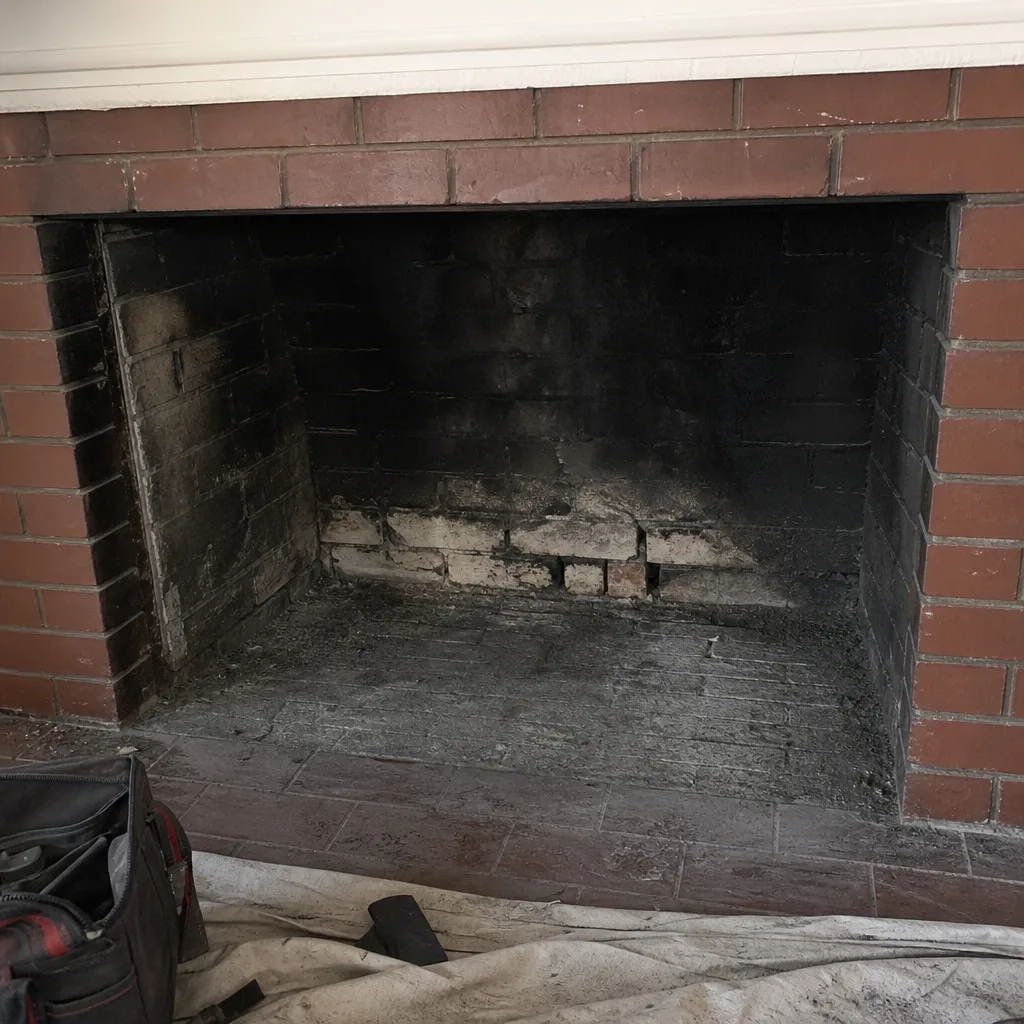
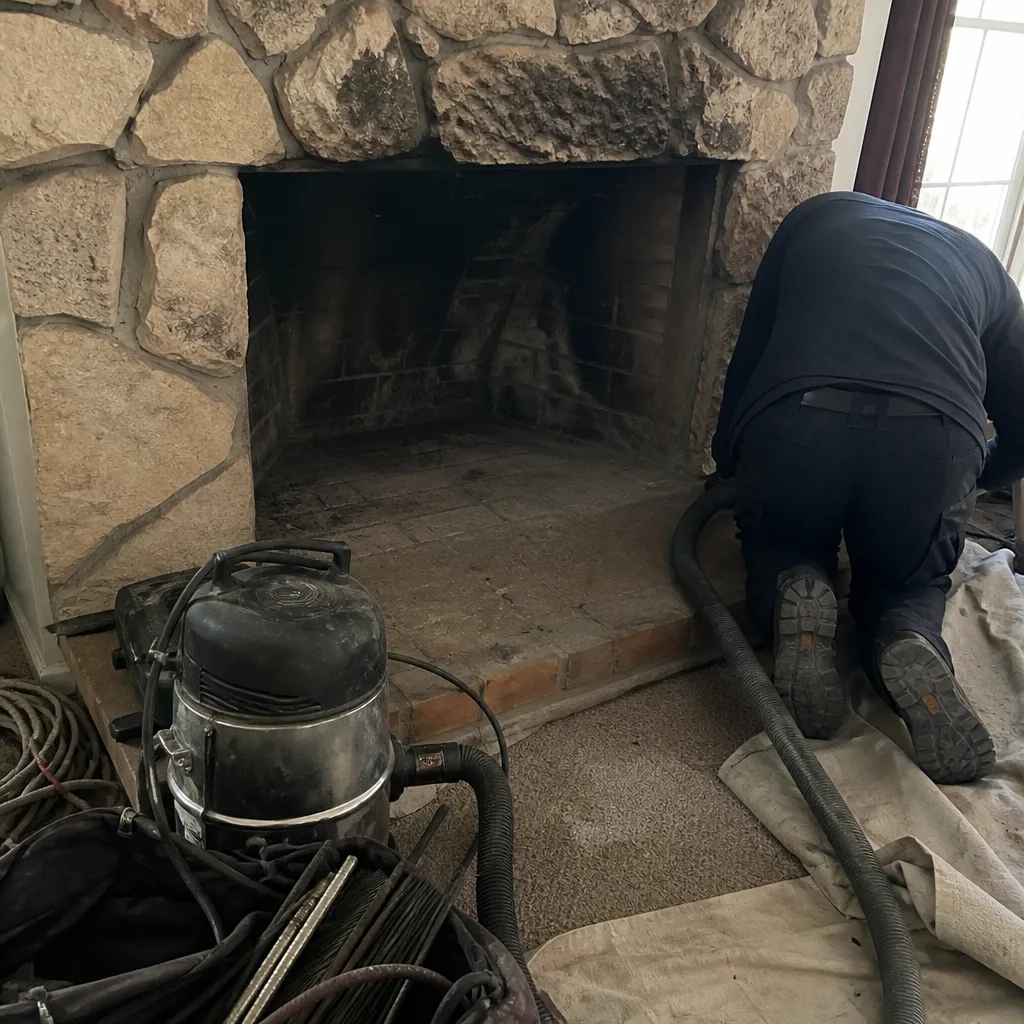 Before
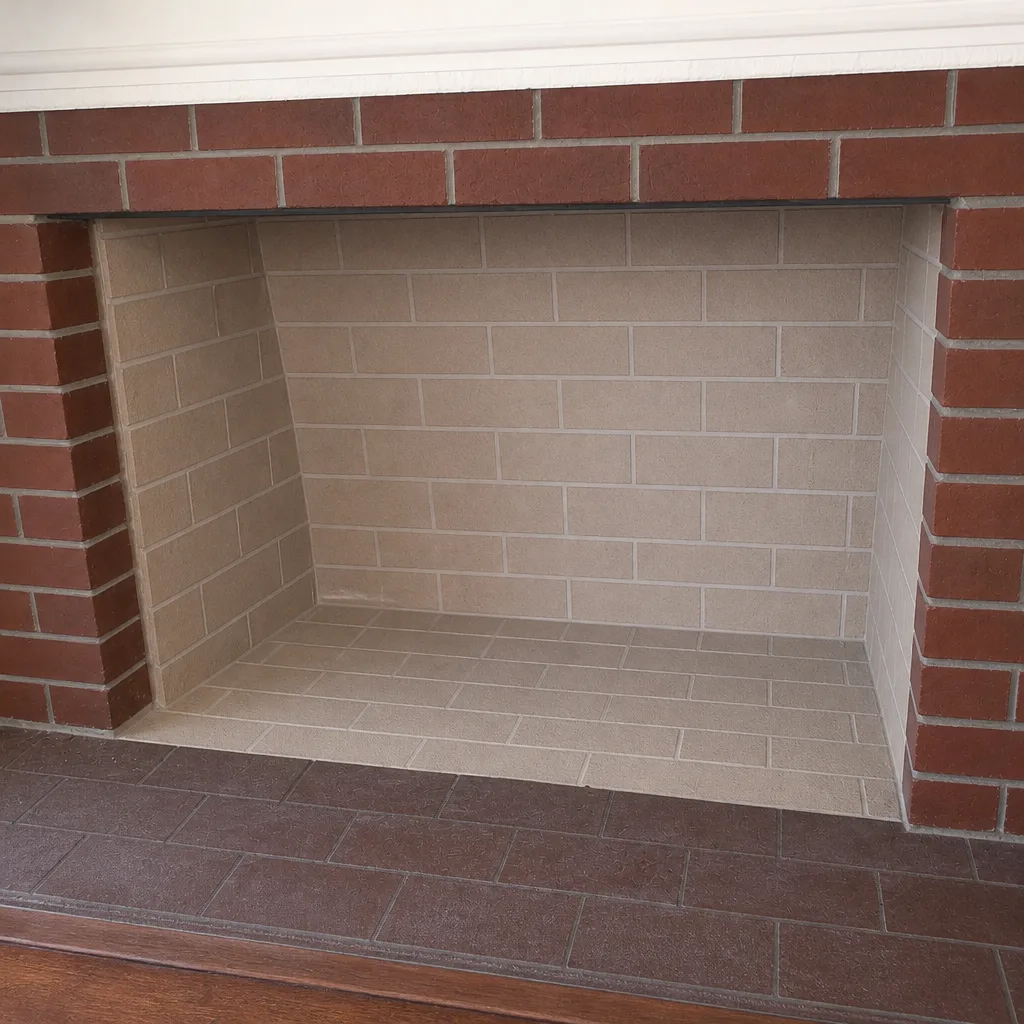
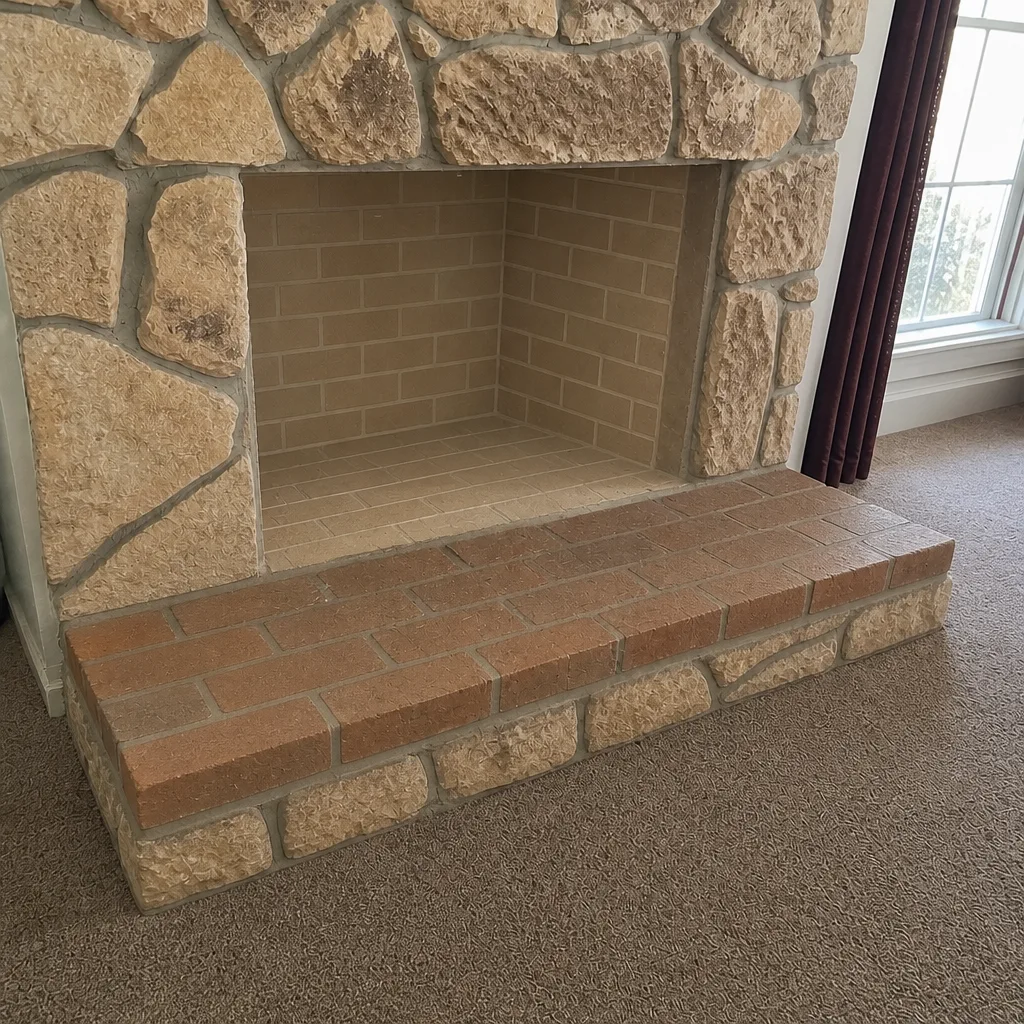 After
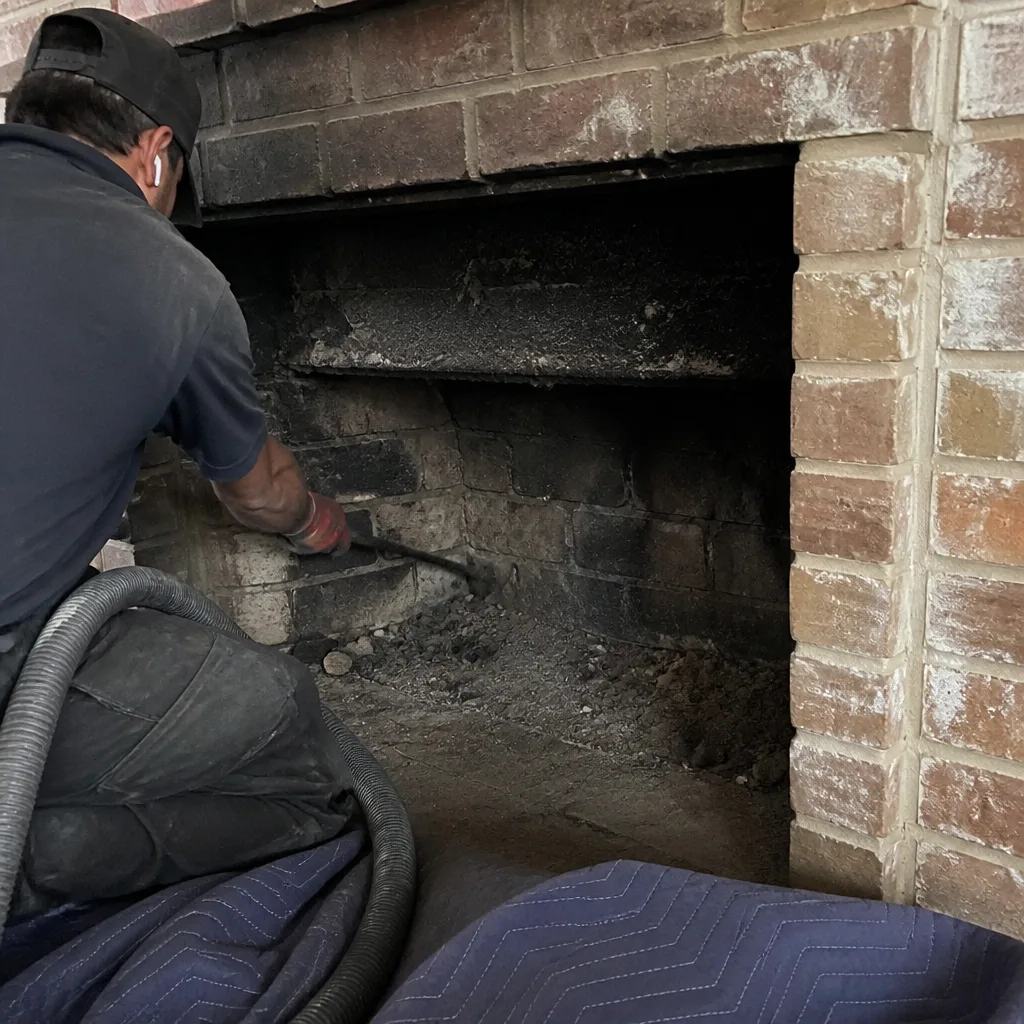 Before
 After
 Before
 After