
Last updated November 4, 2026
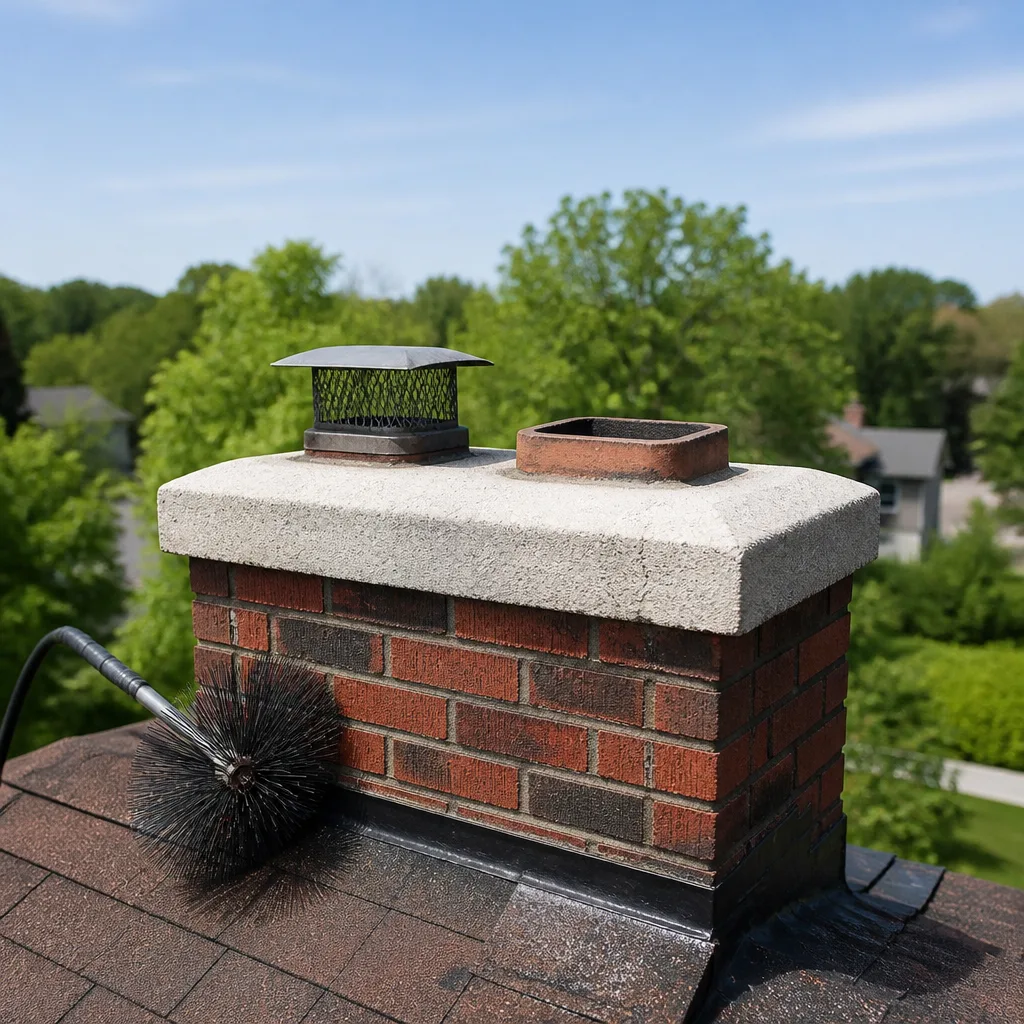 Sweep & inspection
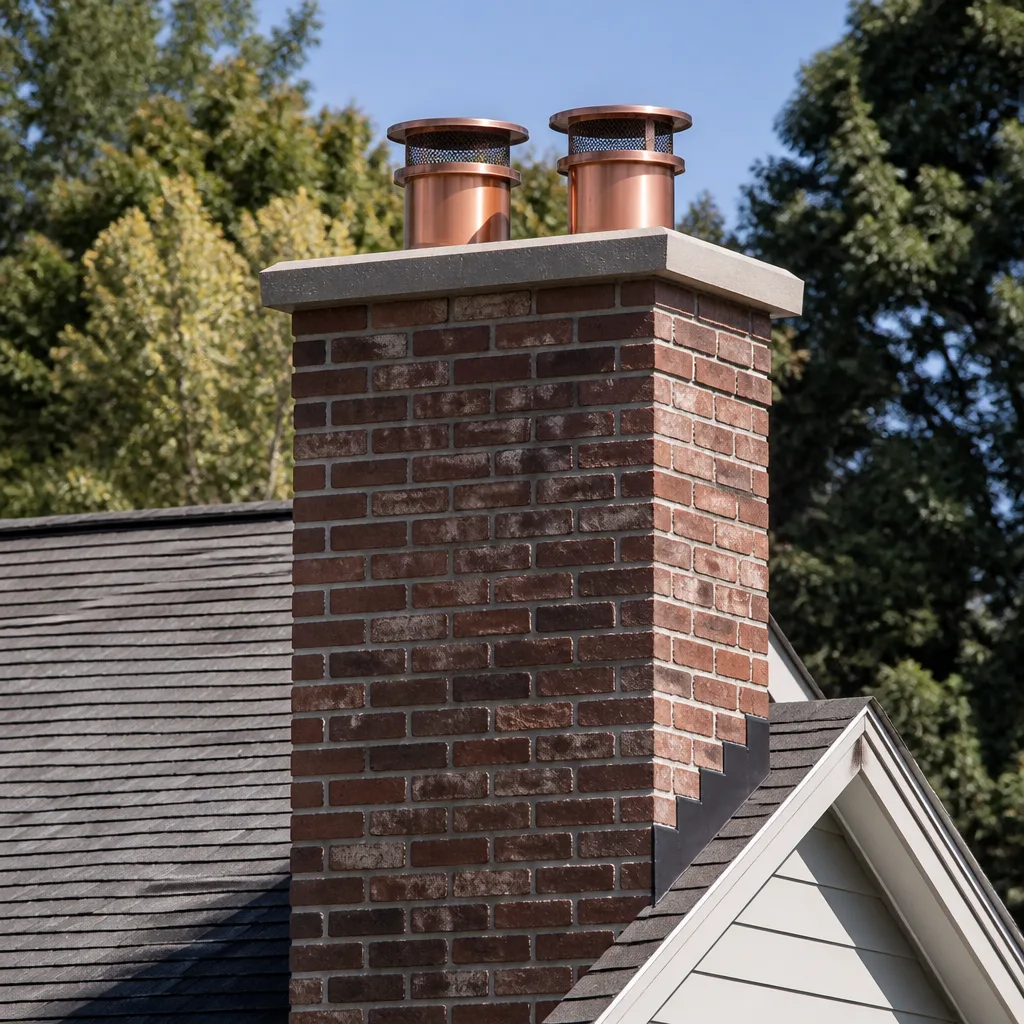 Caps & crowns
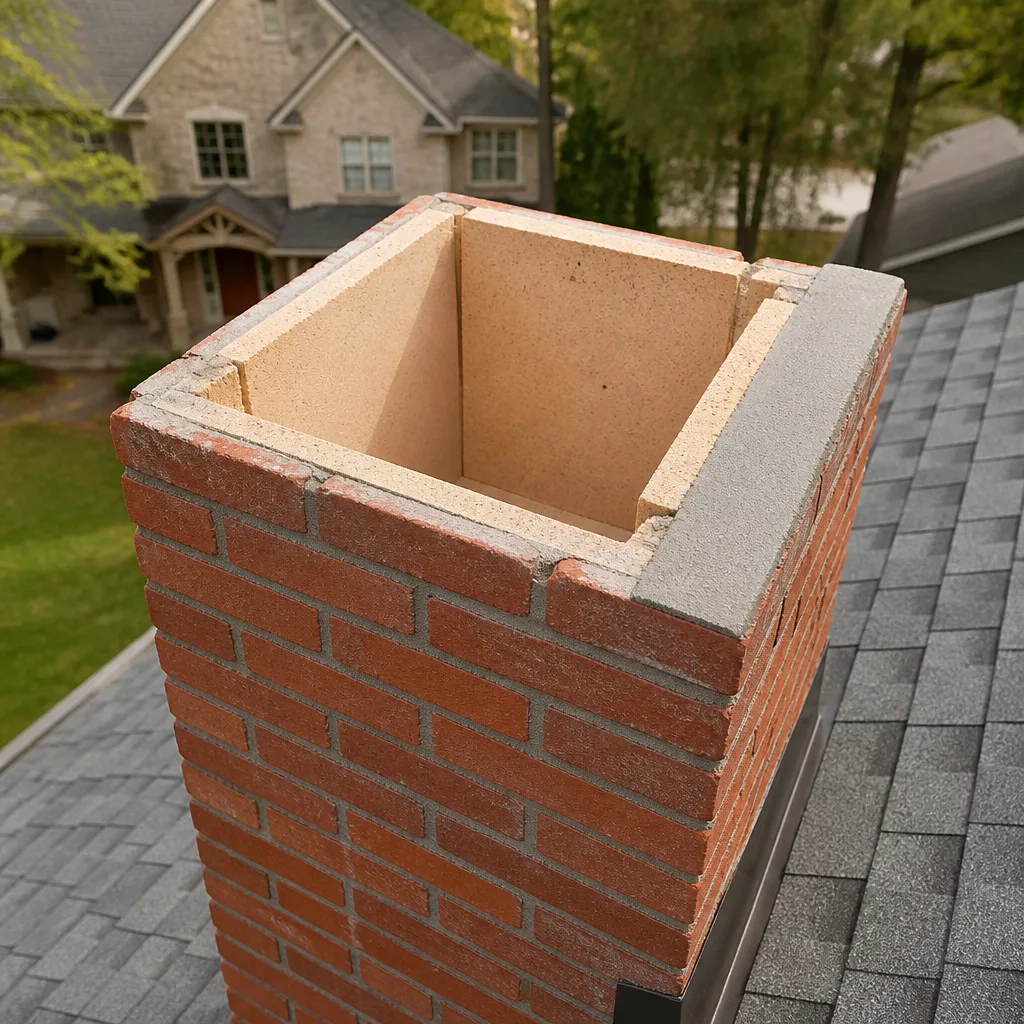 Flue relining
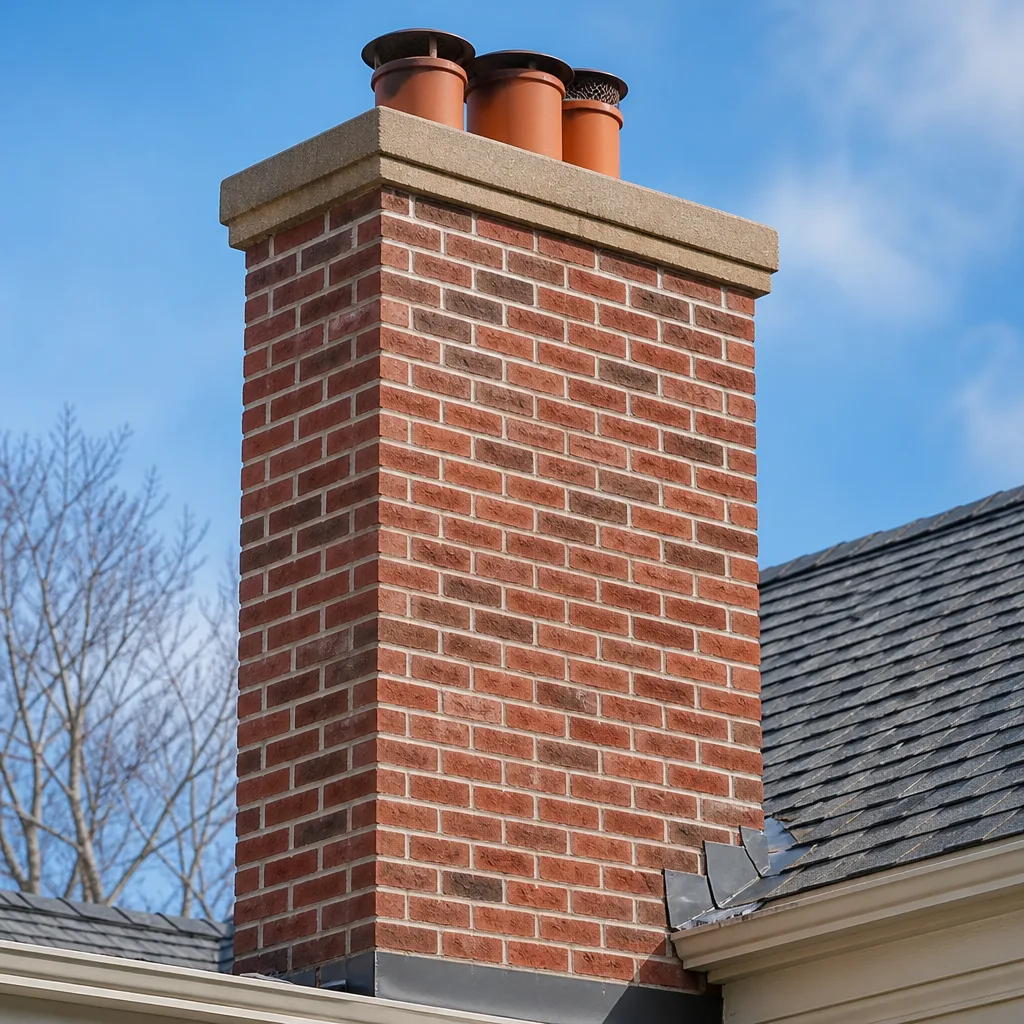 Masonry repair
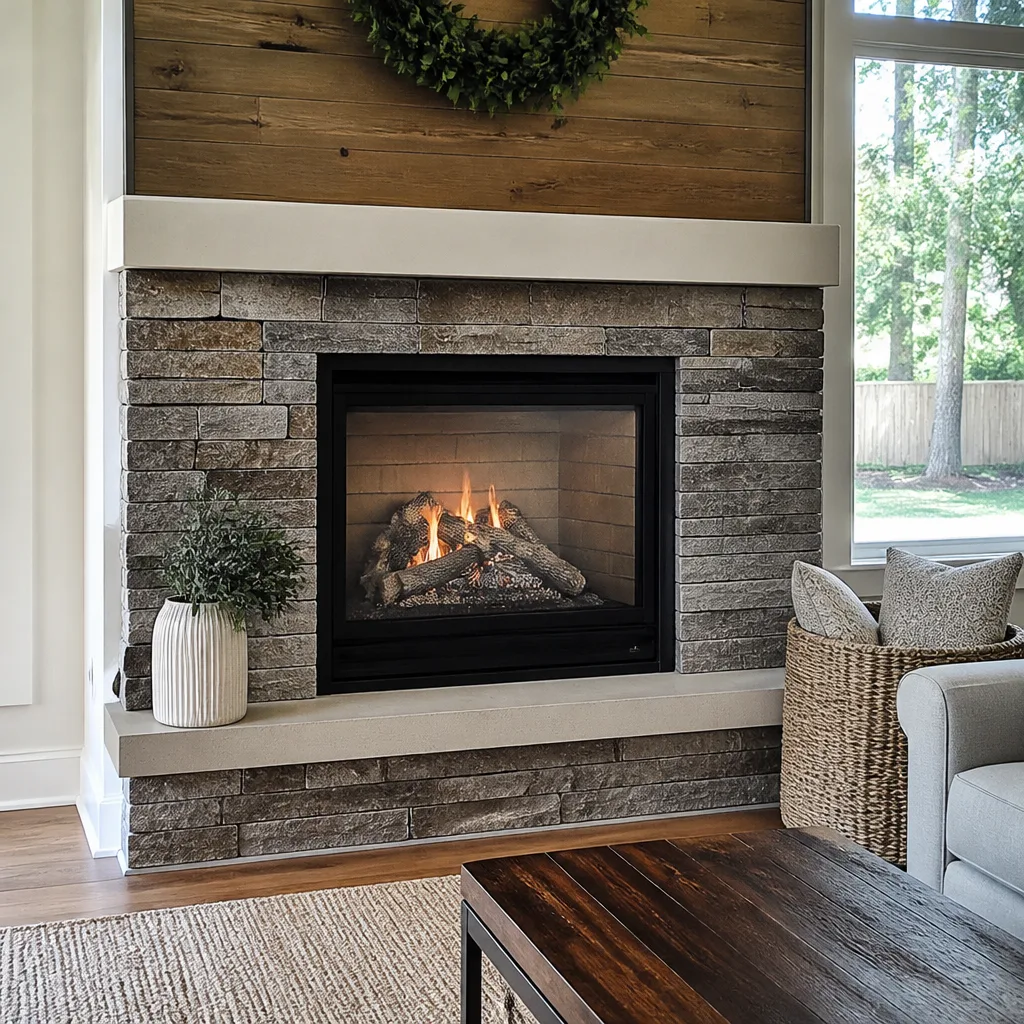 Gas fireplace service
Level 1 sweep and inspection to the NFPA 211 annual standard - flue, crown, cap, and flashing checked and photographed
Chimney sweep logs do not sweep chimneys. They loosen some creosote - which then falls where a brush and vacuum still have to collect it.
Choosing the Right Chimney Cleaning Brand: A Buyer’s Guide for North Sacramento
Most homeowners in North Sacramento treat a chimney sweep as a commodity: someone shows up with brushes, does the job, leaves. The brand question never comes up because most sweeps can’t answer it. That’s a problem. The products a contractor stocks tell you whether they understand what’s actually happening inside your flue, or whether they’re just moving soot around. This guide explains the material categories and professional-grade brands that separate a diagnostic restoration shop from a surface-level cleaning crew, and how to use that knowledge before you hire anyone.
Quick Answer
The right chimney cleaning brand for a North Sacramento home is whichever professional-trade product line your contractor can name, explain, and specify in writing. Look for companies that stock liner systems like DuraFlex, resurfacing materials like HeatShield, and components from suppliers like Olympia Chimney and Copperfield. If a contractor gives you a blank stare when you ask what brand of liner they’d install, that’s your answer: call someone else.
Styles & brands we work with
- Sweep & inspection
- Caps & crowns
- Flue relining
- Masonry repair
- Gas fireplace service
Table of Contents
- Why Brand Names Matter More Than You Think
- Liner Systems: The Brand That Sits Inside Your Flue
- Creosote Treatment Products: Chemical vs. Mechanical
- Crown and Masonry Sealants: Vapor Permeability in a Wet-Winter Climate
- Chimney Caps and Chase Covers: Metal Thickness Under Sacramento Heat
- Using Brand Knowledge as a Vetting Tool
- Common Mistakes to Avoid
- When to Call a Professional
- Frequently Asked Questions
Why Brand Names Matter More Than You Think
Here’s the thing about chimney work in North Sacramento: most of what matters is hidden. You can’t see the liner inside your flue, you can’t inspect the crown sealant from your living room, and you probably aren’t climbing onto your roof to check your cap’s metal thickness. The only real evidence of quality is what your contractor tells you, and the brands they name are the most reliable signal of whether they know what they’re talking about.
Professional-trade brands exist because the chimney industry has a problem: cheap imports flood the market, and homeowners can’t tell the difference. A box-store liner might look identical to a DuraFlex liner in a photo, but the alloy grade, the gauge thickness, and the warranty tell a different story. Contractors who stock professional brands have made a choice. They’ve decided that callbacks from failed materials cost more than the savings from buying cheap. That’s the person you want on your roof.
In our experience at Laurel Chimney Sweep, the difference between a professional-trade part and a consumer-grade substitute shows up in two places: how it installs and how long it lasts. A liner that kinks during installation can’t be fixed. A cap that warps after three Sacramento summers needs to be replaced. The brand is the shorthand for the metallurgy and the manufacturing tolerance behind the part.
Liner Systems: The Brand That Sits Inside Your Flue
When you buy a new liner for your chimney, you’re buying a stainless steel tube that will sit inside your flue for decades. It will carry combustion gases and creosote residue away from your house, and it will be exposed to heat, moisture, and acidic flue gas condensation. The difference between a liner that lasts 20 years and one that fails in five comes down to three things: gauge thickness, alloy grade, and the quality of the weld seams.
Professional-trade liner brands like DuraFlex are built to a specification, not a price point. They use heavier gauge stainless steel, typically 316L or 304 alloy depending on the fuel type, and they’re engineered to flex without kinking during installation. That matters because a kinked liner is a fire hazard: it restricts draft, traps creosote, and creates a spot where heat can build up.
Imported box-store liners are usually thinner, often 430-grade stainless or lower, and they don’t hold up the same way under repeated heating and cooling cycles. North Sacramento’s climate adds a specific twist here: our winters are damp, and a liner that sits in a cold, moist flue during the off-season is more likely to corrode if the alloy isn’t up to spec. A quality liner resists that corrosion. A cheap one doesn’t.
Laurel Chimney Sweep installs DuraFlex flexible liner systems because they’re a professional-grade product trusted by chimney specialists across the country. When we quote a liner replacement, we specify the brand, the gauge, and the alloy in the written estimate. If another contractor won’t do that, ask yourself what they’re hiding.
Creosote Treatment Products: Chemical vs. Mechanical
Creosote is the residue left behind when wood burns incompletely. It coats the inside of your flue, and in enough quantity, it becomes fuel for a chimney fire. North Sacramento homeowners who burn wood through our mild, damp winters are familiar with the buildup, even if they don’t know its name.
Chemical creosote removers, like the professional formulations used by trade contractors, work by breaking down the chemical bonds in creosote deposits. They’re applied to a hot fire or sprayed directly into the flue, and over time they turn hard, glazed creosote into a softer, flakier residue that can be brushed away. These products are useful as a maintenance step between cleanings, but they’re not a substitute for mechanical cleaning.
Here’s the critical distinction: a rotary mechanical sweep uses spinning steel rods and specialized heads to physically scrape creosote off the flue walls. It’s the only method that removes heavy buildup, and it’s what the National Fire Protection Association’s guidance points to for a thorough cleaning. Chemical treatments can help keep things manageable between sweeps, but they work slowly, and they won’t remove enough creosote to make a flue safe if it’s already heavily coated.
At Laurel Chimney Sweep, we inspect before we sweep. If the creosote is light and flaky, a standard cleaning handles it. If it’s thick and glazed, we use mechanical methods to get the flue clean. Chemical products are a tool in the kit, not a shortcut around the work.
Crown and Masonry Sealants: Vapor Permeability in a Wet-Winter Climate
North Sacramento gets most of its rain between November and March, and that rain hits your chimney crown before it hits anything else. The crown is the concrete slab at the top of your chimney, and it’s the first line of defense against water intrusion. When it cracks or spalls, water gets into the masonry below, and that’s when expensive repairs start.
Brush-on crown coats, like the professional products stocked by trade contractors, are formulated specifically for chimney crowns. They’re different from consumer waterproofers in one critical way: vapor permeability. A chimney crown needs to shed liquid water while still allowing water vapor trapped inside the masonry to escape. If you seal it with a non-permeable coating, moisture gets trapped, and freeze-thaw damage becomes a bigger risk than the original leak.
Our North Sacramento winters are mild enough that freeze-thaw isn’t the dominant concern it is in colder climates, but moisture intrusion is still destructive. Wet masonry erodes, and water that reaches your liner accelerates corrosion. A quality crown coat extends the life of everything below it.
The catch is that a crown coat only works if the crown is in decent shape to begin with. If the crown is already cracked or crumbling, resurfacing is the better option. That’s where HeatShield comes in: it’s a ceramic-based resurfacing system that can restore a compromised flue without a full rebuild. Laurel Chimney Sweep is certified to apply HeatShield, and in many North Sacramento homes, it’s the difference between a $2,000 repair and a $10,000 teardown.
Chimney Caps and Chase Covers: Metal Thickness Under Sacramento Heat
Your chimney cap is a small piece of metal doing a big job. It keeps rain out of your flue, blocks birds and squirrels from nesting, and contains sparks that could otherwise land on your roof. In North Sacramento, it also has to survive summers that routinely crack 100 degrees, and that’s where metal thickness and grade become important.
Galvanized steel is the budget option. It’s cheap, it’s widely available, and it starts rusting the day you install it. In our climate, with its intense UV exposure and dry heat, galvanized caps tend to warp and rust within five to ten years. Stainless steel holds up much better: it resists oxidation, it doesn’t warp under normal rooftop temperatures, and a well-built stainless cap can last 20 years or more.
Copper is the premium choice, and it’s a good one if you want a cap that will outlast your roof. It develops a patina over time and it never rusts. The tradeoff is cost, and for most North Sacramento homes, a properly gauged stainless cap is the smart middle ground.
Chase covers, the flat metal tops on prefabricated chimneys, follow the same logic. A thin, poorly fitted chase cover will rust through and leak water into your chase, which rusts the liner and the framing around it. Laurel Chimney Sweep uses Gelco and Famco components for caps and venting hardware, ensuring code-compatible, properly fitted installations. When we install a cap, we specify the gauge and the material in the estimate. It’s a small detail that makes a big difference over a decade.
Using Brand Knowledge as a Vetting Tool
You now know more about chimney product brands than most North Sacramento homeowners. Here’s how to use that knowledge when you’re hiring a sweep or repair contractor.
- Ask for brand names in the estimate. Before you sign anything, ask the contractor to specify which liner brand, crown coat, and cap they’ll install. A legitimate trade professional will write it down without hesitation. A contractor who can’t name their products is either buying whatever’s cheapest or doesn’t know what they’re installing.
- Ask why they chose that brand. The answer tells you everything. “It’s what our supplier carries” is a red flag. “We use DuraFlex because the 316L alloy handles wood-burning flue gas better than 304 over time” is a sign you’re dealing with someone who understands the trade.
- Be wary of vague answers. If a contractor says “we use quality materials” or “it’ll be fine, don’t worry about it,” that’s evasive. The word “quality” without a brand behind it means nothing.
- Verify the brand’s trade reputation. Professional chimney brands like DuraFlex, HeatShield, and Copperfield are sold through industry supply channels, not big-box retailers. If your contractor names a brand you can find on a shelf at the hardware store, that’s a sign they’re not buying through professional channels.
- Get it in writing. A verbal mention of a brand is nice. A written estimate that specifies brand, gauge, and material is a contract. If a contractor won’t put it in writing, walk away.
This is a buyer’s guide for North Sacramento, where the housing stock ranges from 1950s ranches to newer tract homes, and chimney systems vary just as widely. A contractor who can specify materials for your specific system is a contractor who’s actually looked at it. A contractor who can’t is guessing.
Common Mistakes to Avoid
- Hiring a sweep who can’t name their liner brand. If the person who’s supposed to protect your home from chimney fires doesn’t know what their own materials are made of, they can’t evaluate your chimney’s safety, either.
- Treating a chimney sweep as a commodity. The cheapest sweep in North Sacramento is cheap for a reason. Professional-grade materials, proper insurance, and skilled labor all cost money, and they’re all reflected in the price.
- Skipping dryer vent cleaning because it’s not included in a chimney sweep. Many chimney-only companies don’t offer dryer vent cleaning, so it never gets mentioned. But dryer vents are one of the leading residential fire risks in North Sacramento, and a clogged vent is just as dangerous as a clogged flue.
- Assuming a chemical creosote remover replaces a mechanical sweep. It doesn’t. Chemical treatments are a maintenance supplement, not a replacement for rotary mechanical cleaning. If your flue hasn’t been swept in years, chemicals won’t make it safe.
- Installing a cheap galvanized cap to save $50. In North Sacramento’s heat and UV, a galvanized cap will warp and rust within a decade. The stainless or copper cap you buy today will still be on your chimney when you sell the house.
- Choosing a contractor who can’t repair what they find. A sweep who finds a damaged liner and hands you a referral to someone else is only doing half the job. Laurel Chimney Sweep offers chimney repair alongside routine cleaning, so a single call covers both the diagnosis and the fix.
- Ignoring a small crack in the crown because it’s small. Small cracks become big cracks, and big cracks let water into your house. A brush-on crown coat is a fraction of the cost of repairing water-damaged masonry.
When to Call a Professional
You should call a professional chimney contractor any time you notice visible creosote buildup in your firebox, smoke backing up into your living room, a strong smell coming from your chimney, or water stains on your ceiling or walls near the fireplace. These are signs that something in your flue or crown isn’t working right. You should also schedule a sweep before the burning season starts each year, even if everything looks fine. A chimney sweep is a maintenance service, not an emergency response, and the best time to schedule it is before you light your first fire of the season. Laurel Chimney Sweep offers free estimates in North Sacramento – call (866) 282-7519. We answer 24/7, with fast dispatch from 7am to 7pm, Sunday through Friday.
Frequently Asked Questions
A standard chimney sweep in North Sacramento typically runs between $180 and $350, depending on the size of the flue and how much creosote has built up. Most contractors price the job per flue, and any necessary repairs are quoted separately. The final price is set by the written estimate, and any contractor who quotes you a number without inspecting the chimney is guessing. Call (866) 282-7519 for a free estimate – you’ll get an exact quote, not a guess.
You need a new liner if your current liner is cracked, rusted through, or damaged enough that flue gases can escape into your home. The only way to know is with a camera inspection, which should be part of any thorough sweep. If a contractor tells you your liner needs to be replaced, ask to see the camera footage. At Laurel Chimney Sweep, we don’t recommend replacement unless the evidence is there on the screen, and we’ll show it to you.
The standard recommendation is once per year, before burning season starts. In North Sacramento, that means scheduling your sweep in late summer or early fall, before the damp winter weather moves in. If you burn more than three cords of wood per season or use your fireplace daily, you may need a mid-season cleaning. A sweep that can tell you what’s wrong with your liner will also tell you whether your burn rate warrants more frequent service.
Creosote keeps building up, and creosote is fuel. A thick enough layer can ignite, and a chimney fire can crack your liner, damage your masonry, and spread to the rest of your house. Even if you never have a fire, unburned creosote and soot restrict your draft, which pushes carbon monoxide and smoke into your living space. The risk isn’t theoretical. It’s what a professional-grade sweep is designed to prevent. Call (866) 282-7519 to schedule yours.
The best brands are the professional-trade lines most homeowners have never heard of: DuraFlex for liner systems, HeatShield for flue resurfacing, Copperfield and Olympia Chimney for supply components, and Gelco and Famco for caps and venting hardware. These brands are sold through professional supply channels, not retail shelves, and they’re the materials a credentialed chimney specialist reaches for when the job has to be right the first time.
Yes, in most cases. If a sweep finds a damaged liner during a routine cleaning, and the repair is straightforward, a company that offers both chimney sweep and repair services can usually handle it on the same visit. That’s the advantage of calling a full-service contractor like Laurel Chimney Sweep rather than a cleaning-only operation. The inspection, the diagnosis, and the repair all happen in one appointment, not three.
The Bottom Line
Choosing the right chimney cleaning brand for your North Sacramento home comes down to choosing a contractor who can name the products they use and explain why they chose them. Professional-trade brands like DuraFlex, HeatShield, Gelco, and Copperfield signal a level of trade depth that box-store substitutes can’t match. When your chimney contractor specifies materials in writing, you know you’re hiring someone who treats your flue as a system, not a service call. Laurel Chimney Sweep works with an intentional roster of professional-grade brands, and every estimate specifies exactly what we’ll install and why.
Written by the team at Laurel Chimney Sweep, serving North Sacramento since 2013.
See the difference
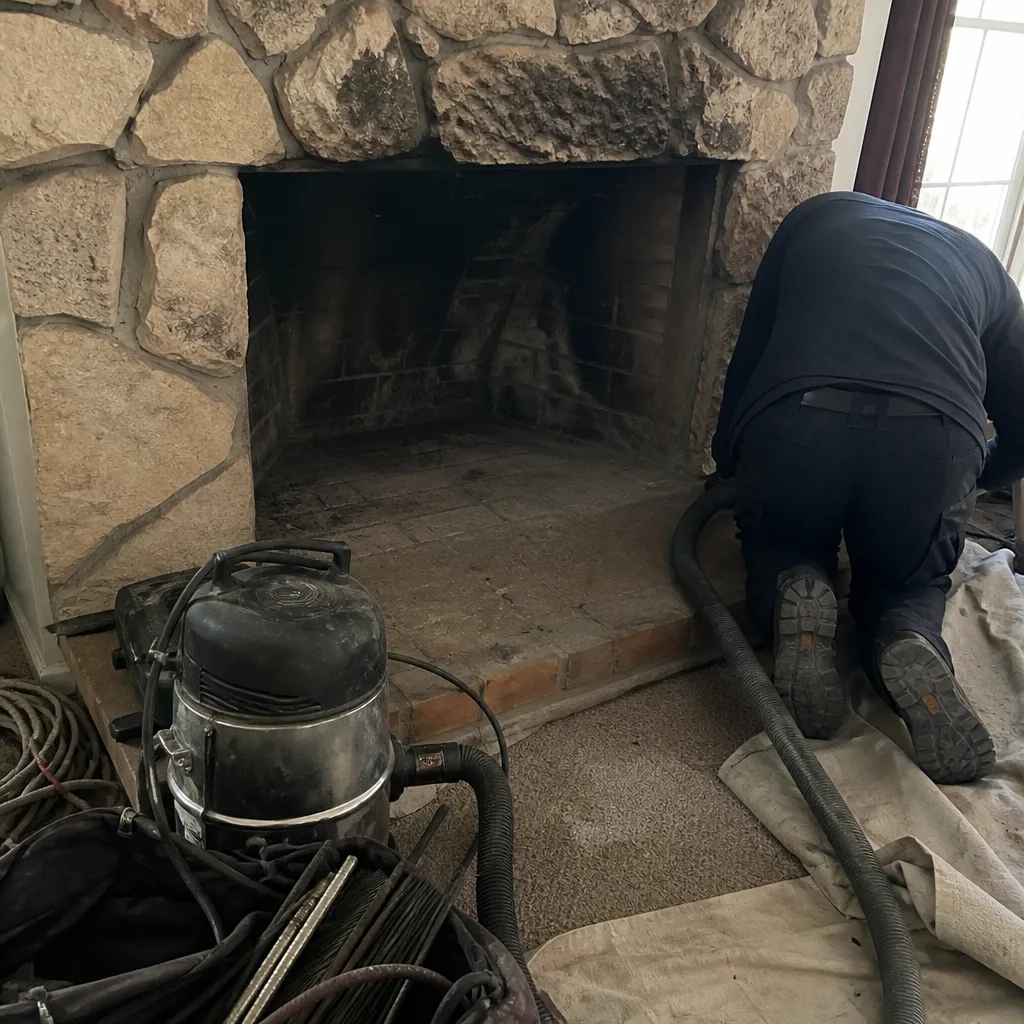 Before
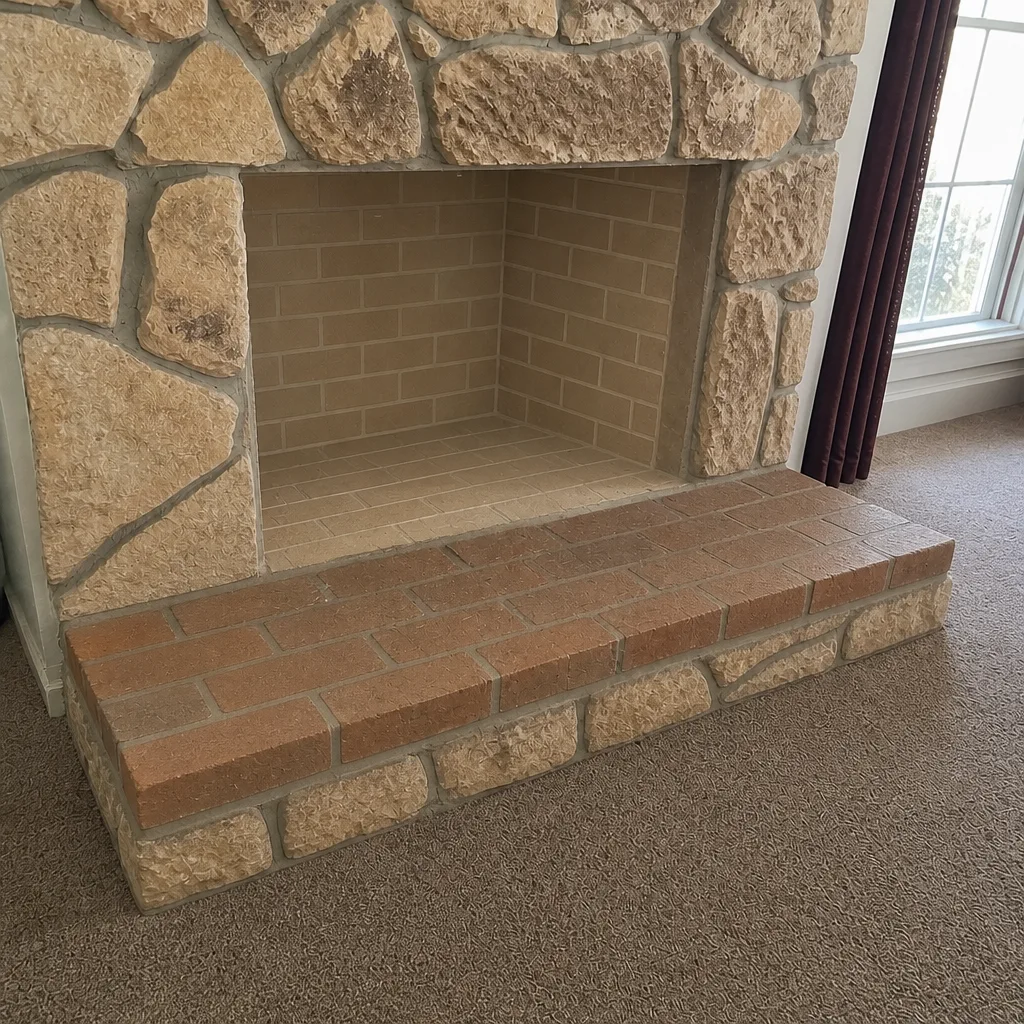 After
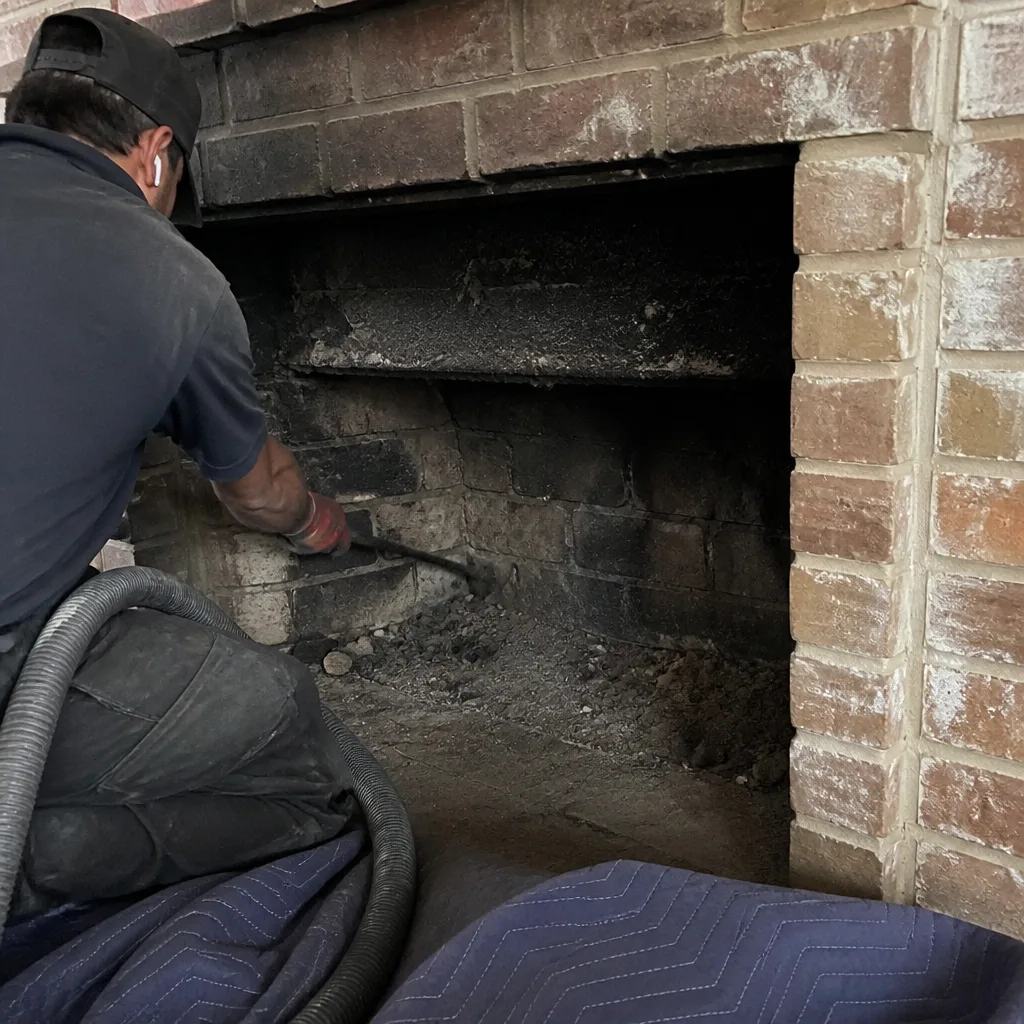 Before
 After
 Before
 After